Search Results
11 results for “shell differences”
What Are the Differences Between Tortoises and Sea Turtles?
Tortoises and sea turtles differ greatly in form, habitat, and habits, even though both belong to the order Testudines. Tortoises live on land, needing only occasional soaking and unable to stay in water long; sea turtles spend life at sea, coming ashore only to lay eggs and bask. A tortoise's shell is thick and domed, with short sturdy legs that bear its weight; a sea turtle's shell is thin and smooth, with long front flippers. Tortoises can pull their limbs inside when threatened; sea turtles cannot. Both are omnivorous, but tortoises eat roots, leaves, fruit, and vegetables, while sea turtles favor seaweed. Knowing these differences helps any keeper care for them correctly.
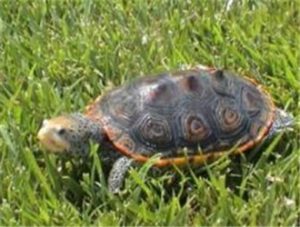
Texas Diamondback Terrapin
The Texas Diamondback Terrapin (Malaclemys terrapin littoralis) is a rare and prized subspecies of the diamondback terrapin. Thanks to conservation, its numbers are rising; the white-skinned 'super Texas' form is considered top quality and can fetch very high prices.
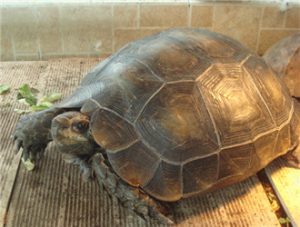
Burmese Mountain Tortoise
The Burmese Mountain Tortoise (Manouria emys) is one of Asia's largest tortoises, a shy forest dweller from western India to Vietnam and Sumatra. It loves warmth and humidity, shuns bright light, and is a committed herbivore that rarely accepts animal food.
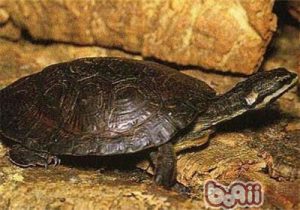
Phrynops williamsi
Phrynops williamsi, also called the Masked Toadhead Turtle, is a side-necked turtle from South America that loves basking and is semi-aquatic in the wild. Lively and relatively easy to keep, it remains uncommon in captivity and is found mainly as wild-caught individuals.
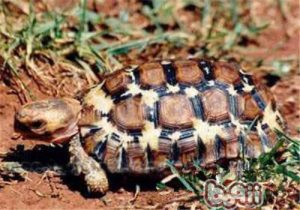
Lobatse Hingeback Tortoise
The Lobatse hingeback tortoise (Kinixys lobatsiana) is a relatively dry-adapted hingeback found in Botswana and South Africa. Though its range has two distinct rainy seasons, its habitat remains very hot overall, and it is seldom kept due to its rarity and similarity to other hingebacks.
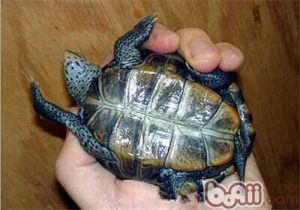
Florida East Coast Diamondback Terrapin
The Florida East Coast Diamondback Terrapin (Malaclemys terrapin) is a dark, subdued brackish-marsh turtle from Florida's Atlantic coast, uncommon in the trade. Unique among turtles, it thrives in brackish water near seawater salinity, so it is best kept in slightly brackish conditions.
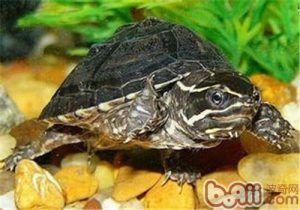
Mud Turtle
The Mud Turtle is not a single species but a group of turtles sharing common traits in body structure or distribution, classified under one family. The family Kinosternidae includes the mud turtles and musk turtles.

Speckled Cape Tortoise
Like most wild tortoises, the Speckled Cape Tortoise lives sheltered among rocks, but it is unusual in that it enters a dormant state during both excessively hot and excessively cold seasons until conditions become favorable.

Bell’s/Lowveld Hinge-back Tortoise
Bell's Hinge-back Tortoise (Kinixys belliana) is a relatively common hinge-back tortoise that lives a solitary life in dry habitats. Demanding in its care, it is not recommended for beginner keepers.

Creaser’s Mud Turtle
Creaser's Mud Turtle (Kinosternon creaseri) is a lesser-known mud turtle with a dark shell and pale head. Known for its aggression and strong territoriality, it is rarely kept in captivity and seldom seen in the market.