Search Results
80 results for “rabbit odor”

Champagne d’Argent Rabbit
The Champagne d'Argent is a meat rabbit breed, relatively large with high weight, uncommon in China. It originates from the Champagne region of France, hence its name. Its coat color changes, becoming progressively lighter.

Japanese White Rabbit
The Japanese White Rabbit is essentially the large white rabbit grown in Japan, also called the Japanese Large White. Said to descend from a cross of Chinese and Japanese white rabbits, it is a common breed mainly used for production. It matures early, grows fast, tolerates coarse feed, is a good mother with strong fertility, and is often used as a "foster mother" rabbit.
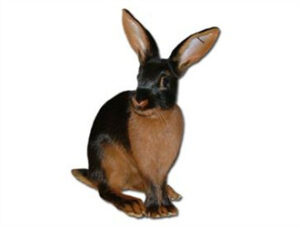
Tan Rabbit
The Tan Rabbit's coat color is the result of selective breeding—not fixed, but pieced together from color blocks. It is a small-to-medium rabbit, usually kept on a small scale, and not commonly seen in the market.

Crème D’Argent Rabbit
The Crème D'Argent (also called the Cream Rabbit) is an old French breed later introduced to and refined in the United States. Its dense cream-orange silver coat and coffee-colored eyes make it a distinctive, hardy pet rabbit.

Standard Chinchilla Rabbit
The Standard Chinchilla Rabbit is an artificial breed named for its fur, which closely resembles the South American chinchilla. Gentle, affectionate, and recognizable, it makes a good pet rabbit, though some websites wrongly use chinchilla (rodent) photos in its place.
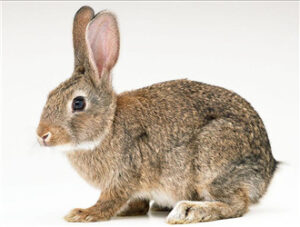
Belgian Rabbit
The Belgian Rabbit, also known as the Giant Gray Rabbit or Flemish Giant, is a famous meat rabbit breed originally from Belgium. With its large build, yellowish-brown coat, and high meat yield, it is mostly raised on farms in rural areas rather than kept as a pet.
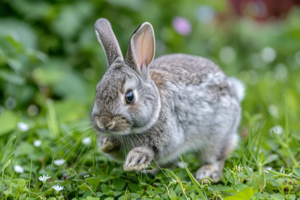
What Does a Rabbit’s Sudden ‘Airplane Ear’ Mean?
A rabbit's 'airplane ear' (one ear flopping up) can mean an impure lop bloodline, ear mites or inflammation, an ear strain from being lifted by the ears, or a calcium/trace-element deficiency. If there is no redness or pain, improve the diet; if there is, get a vet exam and treat mites or infection accordingly.

How to Choose the Best Bedding for Rabbits
Rabbit urine is very smelly; bedding in the cage absorbs urine, keeps the rabbit from prolonged contact with it, and reduces odor. But rabbits may eat bedding, so choose safe, dust-free, deodorizing material. This article compares common rabbit beddings.

How to Litter Train Your Rabbit
Rabbits learn litter use with patience in about ten days to two weeks. Set a low plastic tray with litter and a hay rack beside it, seed it with the rabbit's own droppings and urine, and reward success while cleaning misses with deodorizer and vinegar. Older rabbits learn faster, and intact rabbits mark territory when in heat, so neutering at 4 to 6 months (small/medium) or 8 to 9 months (large) curbs accidents.

Rabbit Feeding Habits and Eating Behavior
Rabbits are single-stomach herbivores that prefer plants, pellets and a little vegetable oil or sweet feed, with animal feed kept under 5%. They practice coprophagy — eating nutrient-rich soft cecotropes at night — and eat mostly after dusk, so sudden feed changes cause refusal and gut upset. Introduce any new feed, including animal protein during pregnancy or lactation, gradually.