Search Results
80 results for “rabbit odor”
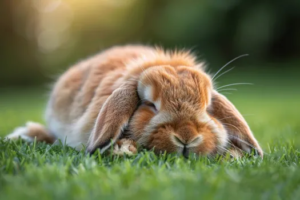
Preventing and Treating Yellow-Urine Disease in Baby Rabbits
Yellow-urine disease is acute enteritis in nursing kits under 7 days old, caused by Staphylococcus toxins from a mother's mastitis passed through her milk; signs include yellow watery stools, weakness, and a fishy smell. Prevent it with a clean dry nest, managed milk flow in the doe, and early mastitis treatment, and treat affected kits with gentamicin drops.

Rabbit Breeding Characteristics
Rabbits are extremely fertile but have no regular estrous cycle — they are induced ovulators that release eggs only after mating or drug stimulation, 10–12 hours later. They have two separate uteri (allowing double pregnancies), mate most successfully around dawn and dusk, and suffer summer infertility, especially males. Pseudopregnancy is common and prevented by re-mating.
What Is a Lop Rabbit Like?
A lop or droopy-eared rabbit is frail, prone to digestive upset if not cared for, and lives only 5-7 years with strong urine odor needing twice-daily cleaning. Timid; scared mothers may reject or crush pups.
Why is the lop-eared rabbit hard to keep?
Lop-eared rabbits eat and defecate a lot, causing strong odor and daily cleanup needs. Many eat at night and make noise if unfed, disturbing sleep. Their fragile gut needs careful diet hygiene to avoid illness.
How long is a rabbit pregnant before giving birth?
A rabbit's gestation period is about 30 to 32 days, so a pregnant rabbit will usually give birth around that time. The exact timing can vary by 2 to 3 days depending on breed and individual condition.

What to Do If Bitten by a Rabbit
For a pet rabbit bite, clean the wound thoroughly with running water and soap for at least 15 minutes, disinfect with povidone-iodine, and apply antibiotic ointment. Rabies shots are generally unnecessary for indoor rabbits, but seek stitches or a tetanus shot for deep or heavily bleeding wounds.
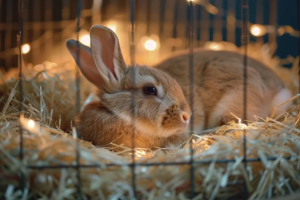
How to Prevent Rabbit Hemorrhagic Disease (Rabbit Fever)
Preventing rabbit hemorrhagic disease relies on four pillars: management, vaccination, cross-infection control, and emergency response. Strict sanitation, regular single-strain vaccination, quarantining new rabbits, and banning visitors and stock from infected areas sharply cut outbreak and death rates.

Why Does Your Pet Rabbit Smell?
A strong rabbit odor can come from diet, poor hygiene, health problems, or sex differences. To reduce it, manage the diet and living space, clean the rabbit appropriately, and check its health regularly. Most odor comes from urine and droppings, so clean the habitat often to stop them from lingering.

How to Care for a Netherland Dwarf Rabbit
Netherland Dwarf rabbits are active and need both proper housing and a sensible diet to stay healthy. Provide a cage of roughly 80×60×70 cm with soft bedding, safe toys, and chew sticks, and keep the environment at a stable temperature with low humidity, gentle light, and minimal noise. Feed mainly fresh hay (timothy, mixed, or alfalfa) for dental and digestive health, supplement with quality pellets, a little fruit and vegetables, and constant clean water—but control portions, since these rabbits gain weight easily. Build trust slowly through hand-feeding and gentle handling, and check coat, skin, eyes, ears, and teeth regularly.
What to Do When Your Rabbit’s Ears Are Red, Itchy, and Scratching
Red, itchy, constantly scratched ears usually mean ear mites or an ear infection in rabbits. Because the problem is contagious, isolate the sick rabbit and disinfect its belongings first. Soften and remove crusts with ear cleaner or saline, treat the inner ear with a rabbit-safe cleanser, and fit an Elizabethan collar so it can't keep scratching. Boost recovery with vitamins and keep the habitat dry and well-ventilated; see a vet if there's no improvement.