Search Results
80 results for “rabbit odor”

How to Keep a Rabbit Odor-Free
Rabbits are clean animals—odor comes from poor hygiene, not the rabbit. Keep the hutch airy and tidy, bathe only when needed with plain water, and manage urine smell with absorbent bedding and disinfectant.

Do Rabbits Smell Bad? How to Handle Pet Odor at Home
Rabbits are clean animals that groom themselves, and as herbivores their droppings are not very smelly, so indoor rabbits usually cause little trouble. Still, some situations smell; here is why and what to do.
The Benefits of Keeping a Pet Rabbit
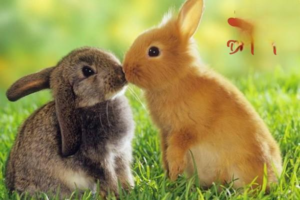
Pet rabbits — dwarves, lops, Dutch and more, under 2.5 kg, living 7–10 years — are gentle, nearly odorless, quiet, and smart enough to learn their name and litter habits, making calm nocturnal companions. Keep them in a half-meter cage in an open spot, and feed mainly hay plus quality pellets (no fresh food under 2 months; hay as the adult staple). Bonding takes effort, but the reward is years of quiet company.

Causes of Rabbit Pica
Rabbit pica — the compulsive eating of non-food items such as fur, bedding, or newborn kits — usually arises from a mix of behavioral, environmental, nutritional, and health factors. Cage confinement, stress, poor husbandry, low fiber or mineral gaps, and skin parasites are the most common triggers. The fix starts with finding the root cause: a calm, clean enclosure, plenty of hay, added minerals, and prompt parasite treatment.

What Makes a Healthy Rabbit Diet?
A rabbit's gut is delicate, so a complete commercial pellet should form the base of the diet, supplemented with hay, washed vegetables, and fruit given in moderation. Avoid irritants, spoiled food, and toxic items like chocolate or moldy feed, and provide chews to keep teeth from overgrowing.
What Are the Advantages of Fermented-Bed Rabbit Farming?
A fermented bedding system mixes and breaks down rabbit waste on the spot, cutting odor, saving feed and water, and suppressing pathogens and parasites. The end product doubles as a high-grade organic fertilizer or roughage, and the dry, no-cleanup setup lowers disease rates. It's an efficient, low-input, eco-friendly husbandry method.

Eight Key Things to Know When Raising Rabbits
Rabbits are fragile and sensitive to change, so good husbandry means watching for warning signs—unusual sounds or smells, sudden temperature shifts, abrupt feed or environment changes—plus careful care for weanlings, new stock, and during outbreaks.

Reasons Why Rabbits Won’t Eat and How to Solve It
Rabbits not eating is very common. Why don't rabbits eat? Except for illness, the problem is more about the food fed, so for the problem of rabbits not eating, we have to find a solution from the food. Below we talk about the reasons why rabbits don't eat and the corresponding solutions.

Rabbit Vesicular Stomatitis
The vesicular stomatitis virus causes rabbit vesicular stomatitis, living in sick rabbits' saliva and necrotic oral tissue; just-weaned kits are most at risk. Incubation is 5 to 7 days. Signs: red mucous membranes, vesicles on lips, tongue, and palate that become pustules then ulcers with heavy drooling; secondary bacteria cause foul necrosis. Mortality exceeds 50%. Differentiate from chemical or mold-induced stomatitis, which is not contagious.

What to Do When Your Rabbit Loses Its Appetite
A rabbit that stops eating is a warning sign. This article explains common causes of poor rabbit appetite—spoiled food, gut issues, nutritional gaps—and how probiotics, diet changes, and vet checks can restore it.