Standard Chinchilla Rabbit
2 Photo Gallery
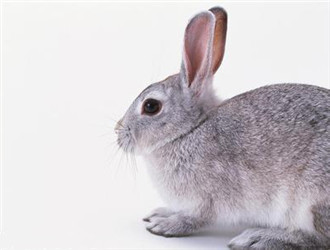

1 Standard Chinchilla Rabbit Breed Overview
Standard Chinchilla Rabbit (details)
The Standard Chinchilla Rabbit has several subspecies, such as the Standard Chinchilla and the Giant Chinchilla, which differ greatly in size. Some websites use chinchilla (rodent) photos in place of the rabbit, creating a false impression—but the difference between a chinchilla and the Standard Chinchilla Rabbit is quite large.
Chinese Name: Standard Chinchilla Rabbit
Chinese Alias: Curl Rabbit
English Name: Standard Chinchilla
Kingdom: Animalia
Phylum: Chordata
Class: Mammalia
Order: Lagomorpha
Family: Leporidae
Genus: Oryctolagus
Species: Standard Chinchilla Rabbit
Temperament: Gentle and fairly obedient; recognizes people, is understanding and affectionate, but also has strong self-esteem.
Weight: 5–7.5 kg
Reproduction: Viviparous
Diet: Herbivorous
Recognizing Association: American Rabbit Breeders Association (ARBA).
Body Features: The Standard Chinchilla has a short body, a rather flat head, and upright ears no longer than 12 cm. It is named for its fur, which closely resembles the prized South American animal Chinchilla lanigera. The fur base is deep gray-blue, gradually turning light gray in the middle, with black tips; when the wind blows it shows a beautiful curl, hence the name “Curl Rabbit.”
2 Physical Characteristics of the Standard Chinchilla Rabbit
Standard Chinchilla Rabbit (details)
The Standard Chinchilla Rabbit’s big ears, chubby body, and silver-gray fur easily remind people of the cute chinchilla, but it really is a lovely rabbit, quite different from a chinchilla—and much larger.
The Standard Chinchilla has a short body, a rather flat head, and upright ears no longer than 12 cm. It is named for its fur, which closely resembles the prized South American animal Chinchilla lanigera. The fur base is deep gray-blue, gradually turning light gray in the middle, with black tips; when the wind blows it shows a beautiful curl, hence the name “Curl Rabbit.”
As a young rabbit the Standard Chinchilla is very cute: upright ears pointing forward, thin and pink, a flat round face, looking not yet grown—good as a pet rabbit. Over time the biggest change is the body lengthening, then the ears growing larger; gradually the hindquarters become fuller and the whole body cylindrical. The tail is small, half gray and half white.
3 Standard Chinchilla Rabbit Care Tips
Standard Chinchilla Rabbit (details)
Care for the Standard Chinchilla Rabbit includes several aspects, such as bathing and cleaning. In hot summer, especially prevent heatstroke and clean the cage on schedule; bathing can be done selectively.
I. Preventing Heatstroke in the Standard Chinchilla Rabbit
In summer, prevent heatstroke. Cool the rabbit promptly, keep the hutch ventilated with good air circulation. Ideally keep the hutch at 15–25°C and humidity around 50–60%. Summer is when bacteria, insects, and ants are active, so disinfect and kill pests to protect the rabbit from bacterial disease.
II. Cleaning the Standard Chinchilla Rabbit’s Cage
Besides keeping the hutch clean, the owner should promptly wash the food and water utensils the rabbit uses, disinfecting once a week, and after each meal wash the foodware to prevent bacterial infection or contagious disease.
III. Bathing the Standard Chinchilla Rabbit Regularly
In hot summer, bathe the Standard Chinchilla Rabbit regularly. Summer is flea and lice season, and rabbit fur is the best home for these parasites, so bathe and clean regularly to protect it.
4 Standard Chinchilla Rabbit Living Environment
Standard Chinchilla Rabbit (details)
The most important part of choosing a cage for the Standard Chinchilla Rabbit is a suitable floor base. The base touches the rabbit’s feet directly; a rabbit’s foot has only fur, without the tough pads cats and dogs have, so an unsuitable base can cause foot sores (pododermatitis).
I. How About a Bamboo Base?
Online there are specially sold bamboo cage floors. Compared with metal mesh, bamboo is safer and easier to wash, but bamboo bases are not suitable for pet rabbits—mainly because the bamboo fibers are hard and sharp and can be gnawed and injure the rabbit’s mouth. So avoid bamboo bases for pet Standard Chinchilla Rabbits.
II. Is a Wooden Base OK?
What about wooden cage floors? Professional pet rabbit cages usually have matching wooden bases, whose surface is machine-sanded with no protruding splinters. Natural wood can be gnawed freely without harming the rabbit.
III. The Best Choice Is Plastic
Plastic cage floors are among the more expensive. Mostly found in high-end cages, they use thick resin plastic that is comfortable for the rabbit to stand on. The cross-hatched design spreads pressure so it won’t sag like metal mesh.
5 Standard Chinchilla Rabbit Feeding Guidelines
Standard Chinchilla Rabbit (details)
Many owners feed the Standard Chinchilla Rabbit whatever comes to mind. This causes no problem short-term, but over time the rabbit will surely develop digestive disease. So what is suitable to feed it?
I. Mainly Specialized Rabbit Food
It is not easy to prepare enough varied nutritious vegetables daily, so buying ready-made specialized rabbit pellets is more convenient. The nutrition formula in specialized pellets is comprehensive; just add some grass, vegetables, and fruit. Most specialized foods contain deodorizing agents, so even in the bedroom there is little odor. There is also specially sold hard food for wearing down teeth, preventing overgrowth.
II. Vegetables and Fruit as Supplements
1. Vegetables: carrot, sweet potato, cabbage, cucumber, radish leaves, pumpkin, greens. Wash and drain before feeding.
2. Fruit: orange, banana, grape, apple, strawberry. Reduce water intake a bit when feeding fruit to balance moisture.
3. Grass: shepherd’s purse, plantain, dandelion, chickweed.
4. Other foods: bean dregs, bread.
III. Food Taboos for the Standard Chinchilla Rabbit
1. Foods to watch: corn and peanuts, if not fresh, easily produce aflatoxin, so only feed fresh. Potato sprouts are toxic and need special care.
2. Foods not to feed: strongly stimulating vegetables such as onion, chives, and garlic are unsuitable. Also, chocolate easily causes poisoning and must be avoided absolutely.