Search Results
57 results for “rabbit fertility”
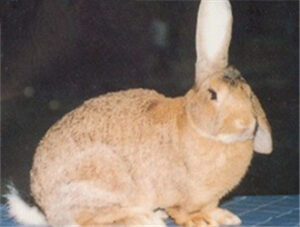
Saibei Rabbit
The Saibei Rabbit is a man-made breed developed from a cross of the French ram rabbit and the Flemish Giant, mainly used for production as a fur-and-meat dual-purpose rabbit. Its main advantages are large size, fast growth, high fertility, strong disease resistance, low morbidity, tolerance of coarse feed, adaptability, a gentle temperament, and easy management.

Japanese White Rabbit
The Japanese White Rabbit is essentially the large white rabbit grown in Japan, also called the Japanese Large White. Said to descend from a cross of Chinese and Japanese white rabbits, it is a common breed mainly used for production. It matures early, grows fast, tolerates coarse feed, is a good mother with strong fertility, and is often used as a "foster mother" rabbit.
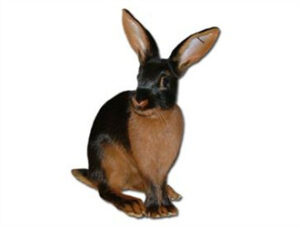
Tan Rabbit
The Tan Rabbit's coat color is the result of selective breeding—not fixed, but pieced together from color blocks. It is a small-to-medium rabbit, usually kept on a small scale, and not commonly seen in the market.
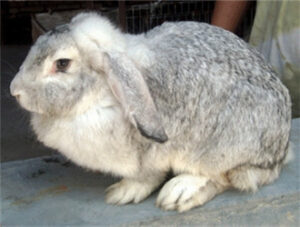
Ram Rabbit
The Ram Rabbit is a large, lop-eared meat rabbit originally from North Africa, known for its ram-like head and gentle, slow temperament. Mainly raised on farms, it has low fertility, so special attention to nutrition during pregnancy is essential.
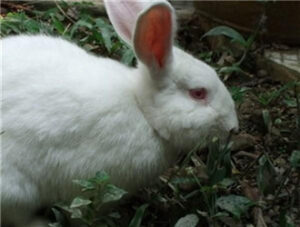
Florida White Rabbit
The Florida White Rabbit is a common, medium-sized all-white rabbit with red eyes from a lack of pigment, kept widely around the world as a popular and unremarkable breed. It is gentle, easy to care for, and an ideal choice for beginner rabbit owners.
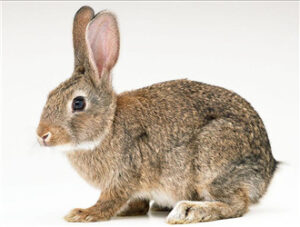
Belgian Rabbit
The Belgian Rabbit, also known as the Giant Gray Rabbit or Flemish Giant, is a famous meat rabbit breed originally from Belgium. With its large build, yellowish-brown coat, and high meat yield, it is mostly raised on farms in rural areas rather than kept as a pet.

What Season Is Best for Breeding Rabbits
Spring and autumn are the best breeding seasons — warm, dry, and bright, with high conception and kit-survival rates. Avoid breeding above 30°C in summer or without heating in winter. Choose quality stock, feed a balanced diet with carrots pre-breeding, give exercise and light, and time mating to bright-red vulva estrus using repeat mating.

Signs and Cycle of a Female Rabbit in Heat
A female rabbit comes into heat at 3.5–4 months, showing restlessness, mounting and a vulva that changes from pale to bright red at peak fertility. She ovulates only after mating, and the best time to breed is mid-estrus when the vulva is deep red.

Rabbit Breeding Characteristics
Rabbits are extremely fertile but have no regular estrous cycle — they are induced ovulators that release eggs only after mating or drug stimulation, 10–12 hours later. They have two separate uteri (allowing double pregnancies), mate most successfully around dawn and dusk, and suffer summer infertility, especially males. Pseudopregnancy is common and prevented by re-mating.

How to Raise Rabbits
Successful rabbit keeping rests on healthy breeding stock, a clean ventilated hutch, grouped by size and sex, a digestible diet (pellets, alfalfa, veggies, boiled water), daily cleaning, and preventive vaccines against rabbit hemorrhagic disease and coccidiosis.