Search Results
57 results for “rabbit fertility”
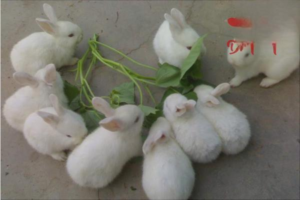
What Factors Affect a Doe Rabbit’s Fertility?
Rabbits can breed year-round with only about a month of pregnancy, so fertility should be high - but it is not, due to many factors such as failure to conceive and early embryo death. This article focuses on these two factors.

Causes and Prevention of Infertility in Adult Rabbits
Adult rabbit infertility falls into functional, nutritional, and other types. Any of them hurts farm income. This article details the causes and prevention methods.

How to Deal with Rabbit Infertility in Autumn
Autumn's cool weather and ample forage make it peak breeding season, yet many farms see does that won't heat or conceive. This article explains the causes and prevention of repeat-breeding infertility in autumn.

What Situations Cause Female Rabbit Infertility?
Rabbit infertility has many causes — some congenital, some acquired. This article lists common situations that lead to doe infertility and how to respond.

How to Prevent Repeat-Breeding Infertility in Female Rabbits
After reviewing the causes of repeat-breeding infertility in does, this article shares concrete prevention methods — from feeding and buck management to toxin control — to help improve rabbit conception rates.
Is Female Rabbit Infertility Caused by Reproductive Diseases?
Many factors cause female rabbit infertility, and reproductive disease is only one of them; poor feeding management can also be to blame. This article walks through the main causes of rabbit infertility.

Causes of Infertility in Female Rabbits
Infertility in female rabbits significantly affects rabbit farming, and many factors can cause it. Breeders must address every factor to prevent it. Here are the main causes summarized for reference.

How to Prevent and Treat Infertility in Female Rabbits
Based on the causes of rabbit infertility covered earlier, breeders can take practical steps to prevent the problem. This article summarizes key measures for preventing and managing infertility in female rabbits.

How to Improve a Buck Rabbit’s Breeding Performance
Improving a buck's breeding performance starts with selection — strong libido, even testicles, stable three-generation genetics, and no cryptorchidism — plus controlled mating (2–3/day with rest days) and a balanced, protein-rich ration raised before breeding. Avoid inbreeding, keep the herd mainly 1–3 years old, and watch temperature: over 30 °C or under 5 °C tanks fertility.
How to Bring a Non-Cycling Doe Rabbit Back Into Heat
A doe that won't cycle has physiological, pathological, or management causes. Congenital genital defects mean culling; nutritional extremes need feed correction; ovarian cysts take progesterone (5–7 days), persistent corpora lutea take cloprostenol, and infections get postpartum antibiotics. To prompt heat, improve ventilation and buck contact, group and stimulate with a buck, use cloprostenol with pregnant-mare serum, or short-term flushing — and remember heat stress is a common trigger.