Search Results
155 results for “rabbit cool”

What Happens If a Rabbit Gets Caught in the Rain?
Rabbits tolerate neither cold nor heat, so rain easily makes them ill—soaked fur drops body temperature and invites colds and pneumonia, while dampness breeds skin infections like eczema and fungus, and chills can shut down digestion and cause diarrhea. Keep their home dry and sheltered, add warm bedding in wet weather, and watch for redness, itching, or appetite loss.
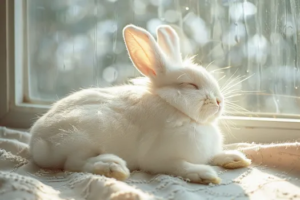
Why Can’t Rabbits Be Bathed?
Rabbits shouldn't be bathed: their skin is only 2–3 mm thick and very sensitive, so water can scald and shampoos irritate it, while frequent washing strips protective oils and lowers skin immunity. They self-groom with barbed tongues, prefer dry air, have fragile airways that catch colds, and fear water—so bathing stresses them. Respect their biology and keep their space clean instead.

Can a Rabbit Recover from Heatstroke on Its Own?
Rabbits have some self-recovery ability, so mild heatstroke may pass on its own, but severe cases rarely do and can be fatal, so never rely on it—act fast. Signs include high temperature, rapid breathing, and fast heartbeat; move the rabbit to shade, cool the ears and head with a damp cloth, and replace fluids and electrolytes. Prevention means ventilation, lighter summer feeding, lower density, and electrolytes in the water.
What happens if a rabbit doesn’t drink water?
Long without water a rabbit dies, as metabolism needs it; they need 20-150 ml daily. 1-2 days without water causes dehydration, over 3 days can kill. Because the gut is sensitive, give cooled boiled or purified water, not tap.
What happens if a rabbit catches a chill in winter?
A rabbit chilled in winter easily gets colds, pneumonia, and enteritis. Chilling first affects the airways, causing sneezing and runny nose; untreated it may become pneumonia with fever, low appetite, lethargy, frequent cough. Chilling also cools the gut, causing diarrhea, shivering, and poor appetite, so warm the rabbit and treat symptoms.
When is the best time to start raising a rabbit?
Spring or summer is ideal thanks to abundant fresh forage and warm weather, though summer needs ventilation and cooling. Hay should be the staple, with fresh produce only as occasional treats, and clean water daily.
Are rabbits afraid of heat?
Yes — dense fur and few skin sweat glands mean poor cooling. Keep the hutch cool and ventilated, increase water, use ice or a fan in heat to avoid heatstroke. They fear cold too; ideal is 15 to 25 C.
Are rabbits sensitive to heat?
Rabbits are quite heat-sensitive; their comfort zone is 15–25°C and over 30°C risks heatstroke. In summer keep the cage in a cool, airy, shaded spot and add a cool stainless-steel floor; always provide plenty of fresh water changed daily, since dirty water upsets their weak digestion.

How to Help Your Rabbit Live Longer
A longer rabbit life comes from a dry, calm, 15–25°C environment, a balanced diet of hay, pellets, and limited fresh produce, regular parasite control, daily exercise, and gentle handling. Avoid frequent baths, tap water, and too much watery food, which can cause stress or diarrhea.
Is it normal for a rabbit’s nose to keep twitching?
A constantly twitching nose is normal in rabbits due to their fast breathing rate. Faster twitching can signal nervousness, heat, or active sniffing to compensate for their forward blind spot. It is generally not a cause for concern.