Search Results
155 results for “rabbit cool”
Understanding a Rabbit’s Physical Traits
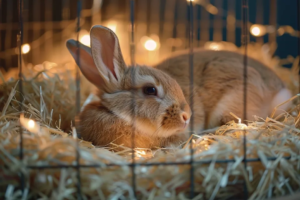
Rabbits are built for alertness and quick escape. Their freely rotating ears carry dense blood vessels that release heat and give keen hearing, while eyes set on the sides of the head give a near 300-degree view, though daytime sight is weak. A constantly twitching nose reads scent, whiskers map nearby objects, and 28 ever-growing teeth demand constant chewing. Strong hind legs power leaps, a fragile skeleton needs careful handling, and body size ranges from under 2 kg to 8 kg across small, medium and large types.
What Factors Affect a Rabbit’s Wool Production?
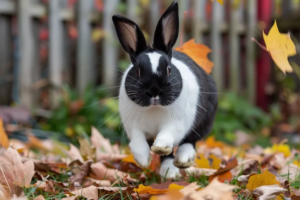
A rabbit's wool output depends on breed, sex, body weight, age, nutrition, and the season and temperature around it. Long-haired German-line rabbits usually produce the most fine wool, while females and neutered males tend to out-yield intact males, and rabbits between one and three years old are at their peak. Steady, balanced feeding with enough protein supports follicle growth, and cooler weather raises output. To boost production, choose strong breeding stock, use crossbred vigour, feed well, manage the environment, and harvest the wool on a sensible schedule.

How to Boost a Rabbit’s Appetite in Summer
When a rabbit eats less in summer, keep its bottle full of clean water for hydration, offer fresh hay in small frequent servings to avoid spoilage, and raise the share of water- and fiber-rich fruits and vegetables to tempt eating. Heat makes rabbits sluggish, but daily out-of-cage play supports health and appetite. Also keep the space cool and ventilated, vary the diet, control sugary or starchy food, avoid the hottest sun, and see a vet if poor eating persists.

Chinese White Rabbit
The Chinese White Rabbit is China's oldest domestic rabbit — small, compact, and remarkably hardy, with red eyes only in the white form. A meat-type landrace that also makes a tough pet, it needs a wire-free cage, a ball-valve bottle, and a simple diet of pellets, alfalfa, timothy, and boiled water. Watch for coccidiosis.

Dutch Rabbit
The Dutch Rabbit is a small, distinctly marked pet rabbit with a white inverted-V on the face and a sharp color split between front and back. Gentle, smart, and nearly odorless, it needs timothy hay, a chew stick, steady 25–32°C, and a wire-free, dry cage. Lifespan about 5–7 years.
Lop Rabbit
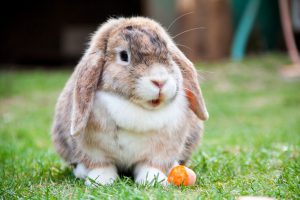
The Lop Rabbit — one of today's most popular pet rabbits — is named for its ears that hang down. Gentle, small, and people-friendly, it is short-lived (usually 5–7 years) and heat-sensitive, needs daily grooming of its dense coat and drooping ears, and must never be picked up by the ears.

LionHead Rabbit
The LionHead Rabbit is a small, gentle pet rabbit named for the ruff of long fur around its head that looks like a lion's mane. Originating in Belgium and bred in the Netherlands and US, it is sturdy and clean, needs daily coat care and a wire-free cage, and lives 5–7 years.
How to Make a Meat-Rich Cat Meal
A homemade meat meal keeps cats, especially pregnant or growing ones, well supplied with calcium and protein. Use 85% meat, 10% seafood, 5% liver, steam in portions, and freeze raw portions for up to two months.
Why Dogs Pant with Their Tongues Out in Summer
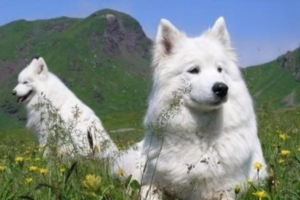
Dogs can't sweat except through their tongues, so panting is how they dump heat — and flat-faced breeds overheat fastest. Heatstroke is lethal within minutes, so cool a overheating dog with lukewarm water and rush to the vet.

Feeding Kits Scientifically to Prevent Low Blood Sugar
Adult rabbits rarely go into low blood sugar or shock, but kits are most at risk because they need more nutrition. If a kit already shows symptoms, a vet trip is often too late - owners must give first aid. Here are the measures.