Search Results
155 results for “rabbit cool”

Havana Rabbit: Temperament and Care
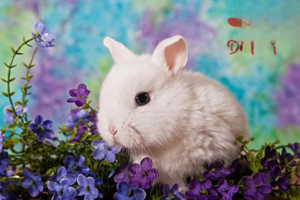
The Havana rabbit is pure white except for a ring of black fur around the eyes, giving it a panda-like face. It comes in a dwarf form (1 to 2 kg) and a large form (7 to 8 kg) that are hard to tell apart when young. These rabbits are lively and curious but timid, cold-hardy yet heat-sensitive. They need a quiet, clean, dry home, like to dig burrows, and require plenty of hay to wear down their teeth.
What are a rabbit’s living habits?
Rabbits are nocturnal - more active and hungry at night, resting by day. They are solitary (one per cage) and prefer dry, ventilated, cool environments; avoid heat and humidity.

What to Watch For When Caring for Rabbits in Summer
Hot, humid summer weather breeds bacteria and challenges rabbit health, so extra care is needed. To help your rabbit thrive, focus on cooling and sun protection, keep the hutch at a comfortable temperature with good airflow and less UV exposure to prevent heatstroke, adjust the diet with plenty of fresh water and food, and control pests so mosquitoes and flies don't plague your pet. This article walks through the key summer care measures every owner should follow.

Recipe: Raw Rabbit Bone-Meat Cat Food
Raw rabbit is a lean, novel-protein main meal many cats love and that suits those with sensitivities to common meats. The base is rabbit leg (about 80%) with heart and liver for organs, then the usual supplement set: taurine, calcium, a multivitamin, a little vegetable-and-fruit puree, alfalfa and kelp powder, probiotics, and salmon oil. Dice the meat, stir everything with cooled boiled water, portion one meal and freeze the rest. It takes under ten minutes.

Can Rabbits Drink Untreated (Raw) Water?
Rabbits can technically drink untreated (raw) water, but it isn't recommended. Raw sources like pond, well, or tap water can carry bacteria, parasites, and chlorine that upset a rabbit's sensitive gut and cause diarrhea or abdominal pain. Safer options include filtered, bottled, settled, or boiled water. Always keep water fresh and the bottle clean to avoid bacterial or parasite buildup that leads to enteritis. If your rabbit shows diarrhea, cramps, or appetite loss, consult a veterinarian for guidance.

Rabbit Lying Down with Weak Limbs — What to Do
Seeing a rabbit flat on the ground with weak legs can look like the end, but the cause is often treatable. The three usual suspects are heatstroke from a hot, stuffy room, low blood sugar from poor nutrition, and coccidiosis, a parasitic gut infection. Each has a distinct fix, from cooling and glucose to deworming and disinfection. This guide explains how to tell them apart and what to do before a vet visit becomes necessary.

Caring for Rabbits in Summer
Summer's heat makes rabbits harder to keep healthy, without care they risk heatstroke, nutritional disease, and infection, so managing nutrition is key. Offer cooling feeds like bitter melon or watermelon rind to ease heat stress and lift appetite. Probiotic supplements help prevent digestive illness, calm heat stress, and cut hut odor and respiratory risk. Although heat lowers intake, don't cut energy too far; add fat to keep energy steady. Above all, always provide free access to fresh water.
How to Shear an Angora (Long-Haired) Rabbit
Angora rabbits are raised mainly for their wool, and learning to shear them correctly protects both fiber quality and the animal's health. A mature rabbit is typically sheared about four times a year, once per season, with the best grades harvested in March, June, September, and November. Shear close to the skin in a set order, back midline, sides, rump, neck, jowl, belly, legs, never a second pass over the same spot, and time the job for a breezy, clear day with warm bedding afterward.

Essential Tips for Raising Healthy Rabbits
Rabbits are sensitive to their environment, and getting temperature, humidity, feed variety, and nighttime feeding right is essential to keeping them healthy. Their thick coat and weak sweat glands make it hard to release heat, so rabbits tolerate cold better than heat; a stuffy, humid hutch quickly leads to illness. Aim for about 20-27C, keep bedding dry, offer a varied diet instead of a single feed, and provide plenty of hay at night when rabbits are most active. These basics help prevent disease and support steady growth.
How should I feed a rabbit?
A rabbit's diet should be based on hay. Under 3 months, feed mostly alfalfa hay with occasional young-rabbit pellets; around 3 months start introducing timothy hay, and after 3 months provide unlimited timothy hay with alfalfa and adult pellets as occasional supplements. Always offer plenty of clean water and limit fresh fruits and vegetables to avoid diarrhea.