Search Results
155 results for “rabbit cool”
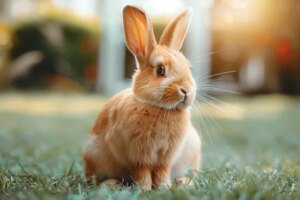
How to Improve a Young Rabbit’s Constitution
For a strong young rabbit, manage its diet strictly and feed sensibly for balanced nutrition. Also keep its environment suitable and give moderate exercise to boost resistance. This article shares tips to improve a young rabbit's health.

Best Seasons for Rabbit Breeding
Rabbits can breed year-round, but temperature drives estrus, conception and litter size. Spring is ideal (80%+ estrus, 7–8 kits); autumn is good with extra nutrition; summer and winter need shade, cooling, warmth and added greens to succeed.
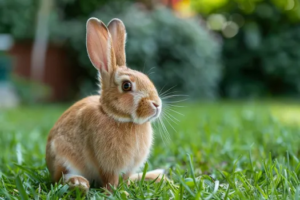
What to Do When a Rabbit Has Heatstroke
Rabbits overheat easily because of their thick coat and poor heat dissipation, and severe heatstroke can be fatal. Move a stricken rabbit to a cool, ventilated place, cool it with a damp towel, and prevent recurrence by keeping cages shaded, well-ventilated and supplied with plenty of water.

Lop Rabbit Care Essentials
Lop rabbits make popular pets but need correct care. Buy a 2 to 3 month healthy one, feed pellets and hay as staples with small vegetable and fruit treats (none under 6 months), never meat or spicy food, and keep cats away to avoid toxoplasmosis. Litter-train early, walk at dusk on safe ground, keep 18 to 25°C, and groom, bathe monthly, and trim nails.

Rabbit Growth, Development and Molting Traits
Rabbits grow fast and convert feed efficiently early in life, especially as kits. A kit is born about 50 g, doubles by one week and reaches 40% of adult weight by eight weeks, with feed conversion best (2:1) at three weeks. They molt twice by age (around 30–100 and 130–190 days) and seasonally each spring and autumn, when extra nutrition helps.

Things to Know When Introducing Meat Rabbit Breeding Stock
Choosing healthy, well-bred stock from a reputable rabbitry is the foundation of meat rabbit production. Introduce stock in mild seasons, start with a modest number of 3–4 month juveniles, keep a sensible male-to-female ratio, and source from more than one place to avoid inbreeding. Give new arrivals quiet time and their familiar feed to reduce transport stress.

Why Rabbits Get Angry and How They Show It
Rabbits are a bit willful and can sulk for no clear reason, then quietly calm down. But their anger isn't always petty; sometimes the owner missed something. Here are the common causes and signs.

How to Raise Rabbits
Successful rabbit keeping rests on healthy breeding stock, a clean ventilated hutch, grouped by size and sex, a digestible diet (pellets, alfalfa, veggies, boiled water), daily cleaning, and preventive vaccines against rabbit hemorrhagic disease and coccidiosis.
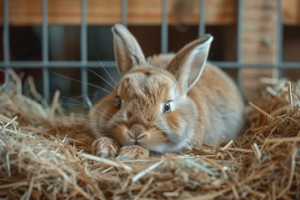
Key Points for Raising and Managing a Baby Rabbit
Baby rabbits are fragile: feed junior pellets and alfalfa (not fruit/veg), give clean water (never tap), keep the cage clean and quiet, hold temperature near 20 C (15-30 range), and prevent diarrhea and coccidiosis.

Do Rabbits Get Angry? Signs and Causes
Rabbits do get angry - they growl, honk, and thump, or give the silent treatment by ignoring you. Common triggers are hunger, lack of attention, and a proud streak. Comfort with a head rub or treat, or let a stubborn one cool off alone.