Search Results
149 results for “rabbit cool”
My rabbit’s ears are hot; I cooled them with water but they get hot again—why?
Based on your description, hot ears in a rabbit may indicate a fever. A pet rabbit's normal temperature is about 38–39.5°C. First measure with a thermometer; if accompanied by symptoms like nasal discharge or lethargy, the fever is likely from infection or contagious disease. If cooling doesn't help and fever recurs, see a vet.
How to Keep Rabbits Cool in Summer
Rabbits do best at 15–20°C and can die of heatstroke above that. In summer, keep water bowls/bottles filled, clip long-haired breeds short (not shaved), move cages to a breezy shady spot, dab the ears with water to cool them, and offer watery fruit and vegetables in moderation. Never aim a fan or AC directly at a rabbit — it causes colds, not cooling.
How to cool a rabbit in 35C summer heat?
In 35C heat, use air conditioning, a fan, or an air cooler to lower the room temperature and keep the cage in a shady, ventilated spot to prevent heatstroke. Provide plenty of water and avoid overcrowding, which traps heat and builds up harmful gases.

Productive Lifespan of Breeding Rabbits
A breeding rabbit's best years are the first one to two, with productivity then falling 15 to 20 percent a year, so renew stock every 2 to 3 years. Give breeders a clean, dry, well-ventilated hutch, breed in spring and autumn, cool them in summer, and keep them warm below 5°C.

Six Key Points for Breeding Rabbits in Summer
Summer breeding needs care: mate does below 25°C at cool times, keep bucks at about one mating a day, set first-mating age at 5 to 7 months by size, pair similar-aged adults, and use repeat or double mating to lift conception. Put the doe in the buck's cage, never the reverse.

Things to Note for Autumn Rabbit Breeding
Autumn is a high-fertility season for rabbits, so prepare early: mate does below 25°C at cool times and in mid-to-late heat, keep first mating at 5–6 months by size, use prime adults, limit bucks to about one mating a day, hold condition and nutrition steady, and use teasers or an estrus powder for does that will not cycle.

How to Determine the Right Feed Amount for a Rabbit
The right daily feed amount for a rabbit depends on body size, body condition, droppings, hunger level, and weather. As a rule, feed to about 80% fullness, adjust greens and water based on stool consistency, and split feedings across the cooler parts of the day in hot weather.
Common Mistakes in Feeding Rex Rabbits
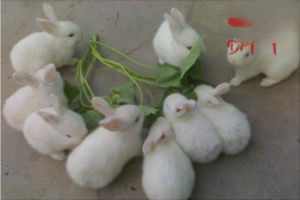
Common rex-rabbit feeding mistakes include all-concentrate diets, whole grains instead of pellets, blanket antibiotic use, freezing vaccines, and unsafe mite treatment with soap plus trichlorfon. Each disrupts gut flora or destroys vaccine potency and can sicken or kill rabbits.

Rabbit-Raising Taboos to Avoid
Key rabbit-raising taboos: avoid high heat/humidity (keep 10–25°C, 60–65% RH), prioritize vaccination over treatment, buy breeding stock only from licensed farms, and limit to one or two breeds to protect farm economics.
How to Raise Meat Rabbits Well
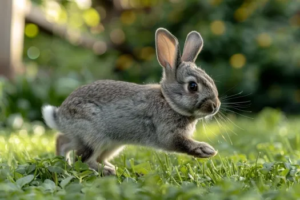
Raising meat rabbits well means timing breeding to the seasons (spring best, summer cooling, autumn nutrition during molt, winter warmth), mixing concentrate, roughage, and green feed or using complete pellets, and choosing fast-growing, disease-resistant breeds such as Belgian, New Zealand, or Chinese White rabbits.