Search Results
162 results for “temperature match”

Silver Arowana Care Guide
Silver arowana are large fish needing a tank at least 150 x 50 x 70 cm with a lid, steady 24-29 C water at pH 6.5-7.5, and a mature filter. Feed small frequent meals of varied foods (no fatty organs, no spoiled food), fast on water-change days, and change 20-30% of the water slowly.

Rabbit Breeding Characteristics
Rabbits are extremely fertile but have no regular estrous cycle — they are induced ovulators that release eggs only after mating or drug stimulation, 10–12 hours later. They have two separate uteri (allowing double pregnancies), mate most successfully around dawn and dusk, and suffer summer infertility, especially males. Pseudopregnancy is common and prevented by re-mating.

How to Pick Healthy Goldfish
Picking healthy goldfish is the first step to keeping them well; beginners should choose carefully, but telling health apart is hard. Here are tips for selecting goldfish and preparing the tank.
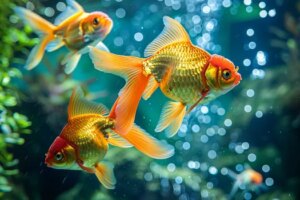
Why Is Your Goldfish Sitting at the Bottom and Not Moving?
Many things cause a goldfish to sink and stay still — wrong medication, poor water, new-environment stress, wrong temperature — but it may also just be hiding or sleeping. This article details the reasons.

Why Puppies Refuse to Eat: Common Causes
Puppies have weak digestion and often refuse food. The cause can be illness, picky eating, physiological anorexia (teething, estrus, pregnancy), indigestion, parasites, a sudden food change, digestive enzyme deficiency, or serious disease such as parvovirus or distemper. Match the sign to the cause and see a vet when other symptoms appear.

Things to Know When Introducing Meat Rabbit Breeding Stock
Choosing healthy, well-bred stock from a reputable rabbitry is the foundation of meat rabbit production. Introduce stock in mild seasons, start with a modest number of 3–4 month juveniles, keep a sensible male-to-female ratio, and source from more than one place to avoid inbreeding. Give new arrivals quiet time and their familiar feed to reduce transport stress.

Why Do Goldfish Lose Buoyancy (Swim Bladder)?
Lost buoyancy (swim bladder disorder) is a common goldfish disease many owners meet. Signs include the fish lying on its side or upside down, floating at the surface or sinking to the bottom. This article focuses on the common causes of swim bladder loss in goldfish.
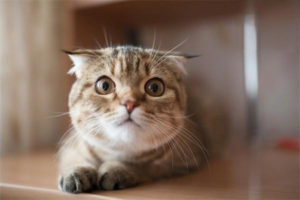
Why Has My Cat Suddenly Stopped Sleeping in Its Bed?
If a cat that used to use its bed suddenly refuses, check for a strong or unpleasant smell, dirt, dampness, or a bed that has grown too small as the cat got bigger. If it never liked the bed, the material may be wrong for the season or the spot may be too noisy. Clean or re-site the bed, match the material to the weather, and place it where the cat already likes to nap.
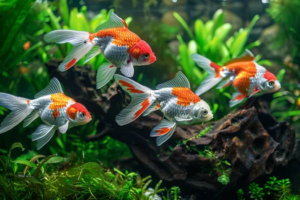
Common Diseases of Blood Parrot Fish and How to Treat Them
White spot, black spot, head-hole disease, and enteritis are all very common in blood parrot fish. To help owners respond better, here are treatments for each of these diseases.
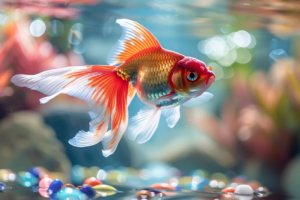
How to Treat Popeye in Blood Parrot Fish?
Popeye (exophthalmia) in blood parrot fish is most often caused by poor water quality and infrequent water changes, though injury or malnutrition can also contribute. Treat by isolating the fish, raising the temperature to 28–30°C, adding aquarium salt, doing daily partial water changes of about a quarter, and applying erythromycin eye ointment — with penicillin, chlortetracycline, or a dilute potassium permanganate rinse for severe cases.