Search Results
162 results for “temperature match”

Why Do Dogs Get Eczema?
Dog eczema is triggered by allergies, physical or chemical irritants, heat and humidity, arthropod bites, excess carbohydrates or vitamin gaps in the diet, and underlying skin disease. Keep the coat dry, the environment clean, and allergic dogs well managed to lower the risk.

What Fish Can Be Kept With an Arowana?
Arowanas are large, aggressive, territorial fish, so tank mates should be other big, fast swimmers such as parrot cichlids, oscars, datnoids, and rays. Use a tank large enough for each fish's territory, match water parameters (pH, hardness, temperature), and similar diets to avoid conflict.
Are You a Qualified Cat Owner? Take the Quiz
Wondering if you're a qualified cat owner? Try this 20-question basics quiz — covering water, safe plants, slow blinks, scratching furniture, normal temperature, spay timing, and deworming frequency — then check your score against the tiers from 'novice' to 'top-tier owner.'
How often should you change a fish tank’s water?
Change fish tank water about once a week, or every 3 to 5 days in hot summer months when waste builds up faster. In winter, every two weeks is enough. Always keep two-thirds of the old water and match the new water's temperature within 2 degrees C.

What to Do When You Find a Stray Kitten
If you find a newborn kitten, first check its body for wounds or parasites, keep it warm and clean, and feed it kitten formula (never cow's milk). Once stable, take it to a vet for screening, vaccines, and deworming, then decide whether to keep it or rehome it.
Is Tapioca Starch in Cat or Dog Food a Problem?
Tapioca starch (from cassava, a tropical root) in pet food is normal and usually fine in moderation. It helps kibble hold its shape, provides energy, and lowers cost. If it sits near the top of the ingredient list, though, protein may be lacking — and since cats are obligate carnivores and dogs are meat-based omnivores, long-term high-starch diets cause muscle loss and weaker immunity. The 'tapioca is toxic' worry is a myth: raw cassava contains cyanogenic glycosides, but proper soaking, cooking, and drying remove them, and high-heat pet-food processing destroys what remains.

What to Do When Your Dog’s Hind Leg Cramps
A dog's hind-leg cramp can come from poor nutrition, overexercise, low temperature, or too little activity and sore muscles. When it happens, gently massage or apply a warm compress to ease the muscle, then rest the dog in a quiet, warm place. Balance the diet, exercise moderately, and keep the environment at a comfortable temperature to lower the chance of cramps.

Are Teacup Dogs Easy to Care For?
Teacup dogs win fans with their tiny, cute looks and gentle nature, but they're fragile and low-immunity, so they need careful, attentive care. They're sensitive to temperature, so dress them warmly in cold weather, and keep up daily grooming—eye-stain cleaning and coat brushing—to stay clean. Feed a high-quality diet sized to them in controlled amounts to avoid obesity. Though small, their health needs are real: regular vet checks, vaccinations, and deworming are essential. With patience and the right know-how, they bring plenty of joy.
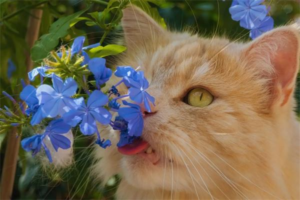
Where Do Cats Like to Hide?
Cats are naturally cautious and alert, so they are drawn to hidden, dark, and narrow spaces where they feel safe. Common hideouts include under the bed or sofa, inside cabinets and small enclosed spaces, up on high shelves and bookcases, and tucked inside boxes, bags, and even the occasional sink. Outdoors, cats slip into grass and bushes to explore and play. Knowing your cat's favorite spots helps you find it faster when it disappears, and understanding this instinct lets you support its well-being. Providing a closed, secure, and comfortable retreat of its own satisfies a cat's need for privacy and can greatly increase its happiness at home.
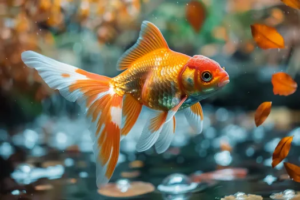
How to Enhance Your Arowana’s Color?
Arowanas are prized for their bold shape and vivid color, but sometimes the fish fade or never reach full brilliance. Color comes from pigments in the scales, so the fix is mostly environmental and dietary. Keep water clean and stable—regular changes, correct temperature, pH, and hardness—and avoid sudden swings that stress a red arowana and stall its coloring. Feed pigment-rich foods like small fish, shrimp, bloodworms, and earthworms, especially during the key coloring stage. Use moderate LED lighting and the right tank background (black suits red arowanas, in a dimmer setup), and balance swimming exercise with proper rest to support pigment production.