Search Results
193 results for “summer cooling”

Why Is My Dog So Sleepy in Summer?
Many dogs seem lazier and sleep far more once summer arrives. In most cases this is a normal response to heat—dogs cool themselves mainly by panting and through their paw pads, so they naturally slow down to avoid overheating. However, persistent lethargy paired with panting, a rising temperature, or appetite loss can signal heatstroke or illness. Keep your dog cool, hydrated, and walk them during cooler hours to stay safe.

Key Points for Caring for a Cat in Summer
Summer heat raises the risk of parasites and heatstroke, so cat care in the warm months means three jobs: cleanliness, cooling, and diet. Run the AC without sharp temperature swings and don't shave the coat—thin it slightly instead, since bare skin burns and the cat sheds heat through paw pads. Feed little and often with light food, refresh water and food frequently so nothing spoils, and never offer cold food that upsets the stomach. Clean the nest, litter box, and belongings regularly and keep up flea, tick, and worm control. These habits keep a cat healthy through summer.
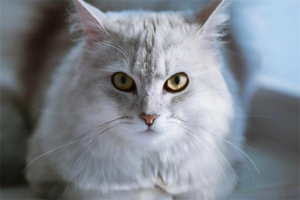
How to Care for Your Cat in Summer
Cats have thick coats and dislike heat, so summer care centers on safe cooling to prevent heatstroke. Move the bed to a cool indoor spot, offer a cooling mat, trim only the paw fur (never shave—UV then damages skin), and keep air flowing with a fan or AC set no lower than comfortable, avoiding big temperature swings. Cats shed heat through their paw pads, so shorter paw hair helps. Hydration matters because fast summer metabolism raises dehydration risk—encourage drinking. Feed fresh food in small portions and clear leftovers fast, since wet food spoils quickly in the heat. These steps keep a cat comfortable through summer.

How to Care for Your Dog in Summer
Summer heat means preventing heatstroke, but some popular 'cooling' tricks backfire. Shaving a dog's coat or bathing it too often raises the risk of skin disease—the coat actually shields skin from sun and bites. Instead, cool the indoor space, use a cooling mat, trim only the paw fur to aid heat loss, walk at dawn or dusk with water on hand, and shift to lighter meals in small portions. Keep the air flowing, set the AC no lower than 26°C, and clear leftovers before they spoil. Smart, gentle cooling helps your dog sail through the hottest months.

Summer Hazards for Cats
Summer is a rough season for cats. With poor sweating, they overheat fast - five minutes on hot asphalt, in a sealed space or on a sunny balcony can cause heatstroke: high temperature, fast pulse, panting, then dizziness, vomiting and coma. Move them to shade and cool with water or a fan, and rush to the vet if it does not ease. Warm weather also brings acute gastritis from spoiled food (limit water and feed easily digested fluids) and skin disease from fleas, mites and fungi - treat the cause and keep up prevention with cleaning and deworming.

How to Repel Mosquitoes in Summer With Pets at Home
Pyrethroids are common in human mosquito products because they work and are cheap, but cats cannot metabolize them and long-term use can damage the brain and cause organ failure, even death. DEET is far less toxic to cats and the EPA rates it nearly non-toxic to mammals, though keep it away from cats in quantity. Safer still are physical methods: screens, nets, mosquito swatters, and pet-safe repellent lamps used when no one is home.

What to Watch For When Caring for Rabbits in Summer
Hot, humid summer weather breeds bacteria and challenges rabbit health, so extra care is needed. To help your rabbit thrive, focus on cooling and sun protection, keep the hutch at a comfortable temperature with good airflow and less UV exposure to prevent heatstroke, adjust the diet with plenty of fresh water and food, and control pests so mosquitoes and flies don't plague your pet. This article walks through the key summer care measures every owner should follow.

Are Hamsters Sensitive to Heat? Signs and Cooling Tips
Hamsters do mind the heat, and in a hot summer they can overheat and suffer heatstroke, showing signs like lying still, dull eyes, and rapid breathing. Owners need to plan cooling before the temperature spikes. The good news is that simple housing tweaks—shade, the right bedding, a water basin, and stable temperatures—go a long way. This guide covers how a heat-stressed hamster behaves and the practical steps to keep it safe through the summer.

Caring for Rabbits in Summer
Summer's heat makes rabbits harder to keep healthy, without care they risk heatstroke, nutritional disease, and infection, so managing nutrition is key. Offer cooling feeds like bitter melon or watermelon rind to ease heat stress and lift appetite. Probiotic supplements help prevent digestive illness, calm heat stress, and cut hut odor and respiratory risk. Although heat lowers intake, don't cut energy too far; add fat to keep energy steady. Above all, always provide free access to fresh water.

Summer Care Tips for Hamsters
Hamsters have weak immunity and get sick easily with temperature swings, so summer care must cool them without letting them catch cold. Place the cage in a shady, airy spot with cooling mats, and if you use air conditioning keep it around 27°C with paper cotton for warmth, or use a fan that does not blow directly on the pet. Keep the diet light: normal hamster mix plus cooling foods like mung beans, watermelon, cucumber, or a little chamomile water, and always provide fresh water changed daily. Clean the cage and change bedding twice a week to limit bacteria.