Search Results
193 results for “summer cooling”
What happens to an English Bulldog in summer heat?
The English Bulldog is muscular; though short coat, its short nose causes breathing trouble in heat. Limited cooling can cause heatstroke with high temperature, fast breathing, fast heartbeat. Move it to a cool, airy place, wipe with a wet towel, and see a vet soon.
How does a dog’s cooling system work?
Dogs cool mainly through breathing, the mouth, and sweat glands on the paw pads, not through skin like humans. With few sweat glands, they pant to dissipate heat via the tongue's vessels when hot. Paw pads also have a few sweat glands for cooling, so trim paw fur in summer.
Which body parts do squirrels use to dissipate heat in summer?
Tail and tongue help cooling. In heat, squirrels spread the tail to increase surface area and release heat. They also lick body/limbs to carry away surface moisture and regulate temperature. Limbs also help—in summer they press forelimbs to the body sides to reduce exposed area and heat transfer.
Which body part do rabbits use to dissipate heat in summer?
Rabbits mainly dissipate heat and sweat through the ears, regulating temperature via breathing. Cooling ability is limited; in summer keep the cage in a cool indoor spot, use AC but not direct draft. Place an ice pack in a corner; ensure enough drinking water.
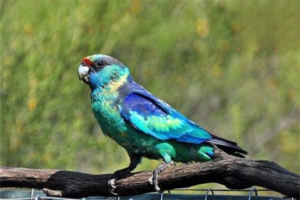
Summer Care Tips for Parrots
Summer is the trickiest season for parrots. Shield them from harsh sun, change water and trays daily, cut oily seed, add a fan, block breeding, and net against mosquitoes - small steps that prevent most summer sickness.

Guinea Pig Summer Care Tips
Summer heat and insects raise guinea pig illness risk, so clean up waste often, bathe lightly every few days, and keep water fresh - dehydration causes heatstroke. Cool with ventilation and fans rather than AC, and trim long-haired breeds.
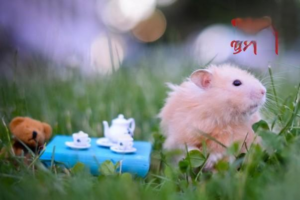
How to Keep Hamsters Cool and Prevent Heatstroke in Summer
In sustained high temperatures hamsters can suffer heatstroke. Use cooling bedding such as corn cob or cat litter instead of heat-retaining wood shavings, place the cage in a cool, well-ventilated room, and add a bowl of water or chilled stones to lower the ambient temperature. Make sure your hamster always has plenty of water to drink.

Summer Cat Care: Key Points
Summer care for cats: keep drinking water fresh (change often, consider a fountain), cool the room to 26–28°C without direct cold drafts, never shave the coat (trim paw fur only), feed small frequent meals of fresh food, avoid over-bathing, stay on top of deworming and ringworm prevention, and keep the home ventilated and clean.

Tips for Raising Rabbits in Summer
Summer heat hurts rabbit growth and breeding, so prepare cooling early. Key points: ventilate and sprinkler-cool, shade the hutch, plant greenery, lower density and feed at dawn/dusk, adjust feed (more protein, less energy, fresh greens), supply ample cool water, pause breeding in heat, and prevent coccidiosis with sanitation and fly/mosquito screens.

How to Prevent Heatstroke in Pet Rabbits During Summer
Rabbits sweat poorly and overheat easily, so summer heatstroke can be fatal. Prevent it with shade (black mesh, awnings, whitewashed walls), ventilation, lower stocking density (~10 rabbits per m²), sprinkling water, ample cool drinking water with 1% salt or vitamin C, and cooling foods like watermelon rind and cucumber, plus electrolyte-glucose supplements.