Search Results
193 results for “summer cooling”

How to Prevent Heatstroke in Hamsters During Summer
All hamsters hate heat, so in summer, without proper cooling, they can quickly suffer heatstroke. Early signs are frantic running, excitement, and jumping; as it worsens, tremors, dehydration, and coma follow, and death can come fast without prompt first aid. Move the cage to a cool, airy spot, give plenty of water, and act at the first sign by cooling the environment and offering electrolyte fluid. Prevention means ventilation, constant fresh water, cooling tiles, and light, hydrating foods like cucumber and watermelon.
How to Raise Meat Rabbits Well
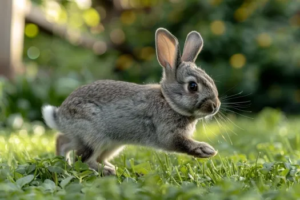
Raising meat rabbits well means timing breeding to the seasons (spring best, summer cooling, autumn nutrition during molt, winter warmth), mixing concentrate, roughage, and green feed or using complete pellets, and choosing fast-growing, disease-resistant breeds such as Belgian, New Zealand, or Chinese White rabbits.
Solutions for a Rabbit With Poor Appetite
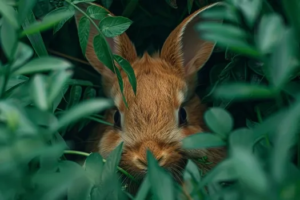
Persistent poor appetite in rabbits often comes from food monotony, nutritional deficiency, a dirty environment, or heat. Practical fixes include a varied diet with hay and veggies, nutritional supplements, regular disinfection, and summer cooling.

Caring for Your Dog Through the Four Seasons
A dog's body adapts to each season, so owners should adjust care through the year. This guide covers spring shedding and checkups, summer cooling and parasite control, autumn exercise and coat care, and winter warmth and diet.
Is it okay to keep a Samoyed in an apartment?
Samoyeds are smart and trainable, so apartments work with early training, 1 to 2 hours of daily exercise, and summer cooling for their heat sensitivity.

Can Pets Use Air Conditioning?
Pets can use AC if you set it around 27–28°C, avoid direct drafts, keep air moving, and let them adjust to temperature changes gradually. Watch for 'AC sickness' — sneezing, lethargy, anorexia — and cool short-faced dogs (pugs, bulldogs) without fail in summer heat.

How to Deal with Rabbit Infertility in Autumn
Autumn's cool weather and ample forage make it peak breeding season, yet many farms see does that won't heat or conceive. This article explains the causes and prevention of repeat-breeding infertility in autumn.

Why a Chinchilla Stops Eating and Drinking, and What to Do
A chinchilla that won't eat or drink may be overheated, constipated, picky, fed bad food, have overgrown teeth, or have a cold. Match the fix to the cause.
What environment does a hamster need?
Hamsters like dim, cool places at 20 to 28°C. As nocturnal animals, bright light harms their vision, and they fear heat and may die of heatstroke. They are solitary and dislike noise, so daytime noise disrupts their routine.

Which Dog Breeds Tolerate Cold Best?
Breeds with strong cold tolerance include Labrador Retriever, Tibetan Mastiff, Alaskan Malamute, Samoyed, and Husky. Their dense coats and thick fat layer shield them from cold and keep them comfortable in winter, but they are prone to heat and need cooling in summer. Owners should not overestimate this trait, since a cold-tolerant dog raised in warm regions may lose some of its resistance.