Search Results
193 results for “summer cooling”

Why Cats Lick Their Fur
Cats lick hundreds of times a day for many reasons. Cleaning: it removes dirt and parasites and prevents mats. Cooling: in summer, saliva on the fur evaporates and carries heat away. Warming: in winter the fluffed, licked coat traps an insulating air layer. Stress relief: licking soothes anxiety. Vitamin D: skin oils made under sunlight are ingested during grooming. Itch: a rough tongue relieves parasite or bacterial skin irritation. And socially, a cat marks 'own' by leaving its scent, and only the higher-ranked cat gets to groom another - unlike dogs.
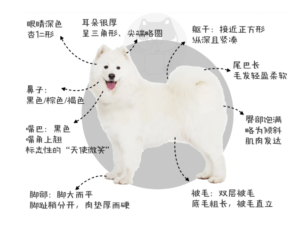
The Samoyed: A ‘Smiling Angel’—but Think Twice Before You Commit
The Samoyed's famous 'smile' is real, and so is its friendliness, trainability, and adaptability. But this breed sheds heavily, needs daily exercise, has a sensitive stomach, and shows its share of health issues—tear stains, dermatitis, heatstroke, obesity, and hip dysplasia. Before you fall for the looks, weigh the work it takes to keep one happy and healthy.
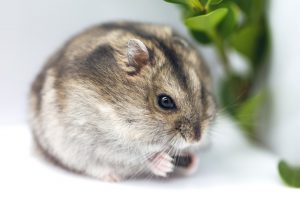
Winter White Dwarf Hamster
The Winter White Dwarf Hamster (Phodopus sungorus), also called the Djungarian hamster or Russian dwarf, is the easiest and tamest of the small hamsters and turns white in winter. A solitary species, it needs a safe cage, a wheel, and a careful diet free of onion, chocolate, and apple seeds. Lifespan 2–3 years.

Illnesses Dogs Are Prone to in Autumn
Autumn's temperature swings put dogs at risk for colds, diarrhea, kennel cough, and parasites. Warmth, a steady diet, good ventilation, and on-time parasite control keep them safe.
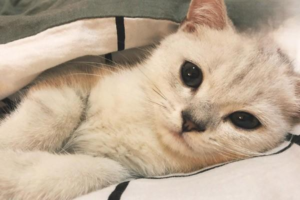
How to Prevent Heatstroke in Cats
Cats can overheat when confined in hot, poorly ventilated spaces; their thermoneutral zone is about 30–36°C, and indoor heat can exceed that. Signs include panting, 'greasy' sweaty paws, drooling, red mucous membranes, and collapse. Prevention is cooling and hydration; severe cases with seizures or coma need urgent veterinary care.

Cat Cold: Symptoms, Care, and Prevention
A cat's normal temperature runs 38.0–39.6°C; a dry nose and warm ears hint at fever, and any sick cat needs easy food plus water (a pinch of salt per 100 ml, syringed if it won't drink). Keep the environment clean, warm in winter, and well-ventilated in summer, and take the cat to a vet promptly if symptoms worsen or it stops eating, drinking, or breathing easily.

Why Dogs Pant Heavily
Panting is usually a dog's normal way of cooling down — they have almost no sweat glands and rely on rapid breathing to shed heat. But panting with no clear trigger, especially in cold weather, can signal fever, respiratory disease, or other serious illness.

How to Choose a Cat Bed
A good cat bed beats the summer heat without chilling the gut — rattan half-moon and crown beds are breathable and easy to wash, while cooling mats and hammocks let a cat beat the warmth safely (cats that sprawl on tile floors risk stomach upset). Add a clingy-cat 'cat table' for bonded time, and pick bite-resistant rattan toys with bells to keep a home-alone cat busy.

Is Canine Hip Dysplasia a Joint Disorder?
Hip dysplasia is a hereditary condition where the socket and ball of the joint no longer fit and move together properly. Affected dogs limp, bunny-hop, rise slowly, and struggle with stairs; large breeds often show clear signs by age four or five. Manage it with early screening, limited exercise, and keeping the joint warm and dry.

What to Do If a Dog Has a Fever After Giving Birth
A fever right after whelping is often stress-related and mild, eased by cooling the skin; a higher fever a few days later usually means postpartum infection needing veterinary care. The new mother also needs a clean, temperature-controlled den and extra nutrition, especially calcium.