Search Results
193 results for “summer cooling”
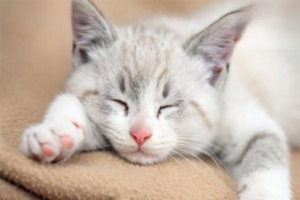
How to Prevent Heatstroke in Cats in Summer
Cats have no sweat glands and cool only through paws and muzzle, so they overheat fast — heatstroke brings panting, rapid breathing, and can be fatal. In an emergency move the cat to shade, cool it with damp towels and alcohol on paw pads and armpits, and see a vet if needed. Prevent it with a cool airy home, plenty of water, AC around 25°C, trimmed paw fur, and never shave the coat, which protects against water loss, injury, and sunburn.
How to Keep Rabbits Cool in Summer
Rabbits do best at 15–20°C and can die of heatstroke above that. In summer, keep water bowls/bottles filled, clip long-haired breeds short (not shaved), move cages to a breezy shady spot, dab the ears with water to cool them, and offer watery fruit and vegetables in moderation. Never aim a fan or AC directly at a rabbit — it causes colds, not cooling.

Tips to Help Your Dog Cool Down in Summer
Dogs have dense coats and suffer in heat, even risking heatstroke, so cool them in hot weather. This article shares tips to help a dog beat the heat.

How to Keep Goldfish Cool in Summer
Summer is peak growth season for goldfish. Right temperatures mean good appetite, more activity, and fewer illnesses, so they grow faster than in other seasons. Here are summer care and cooling tips.
What happens to a cat’s long coat in summer?
In summer, a long-haired cat may overheat, mat, and groom more hair, which can cause hairballs, so it benefits from cooling, brushing, and sometimes a trim. Cats shed some undercoat but may still feel heat.
How Do You Keep a Dog Cool in Summer?
Use fans or AC above 25°C, trim paw-pad fur, and place the bed in a breezy spot with a cooling pad. Always provide plenty of fresh water to prevent heatstroke.
Should hamsters have wood shavings in summer?
Hamsters do not need wood shavings in summer, since shavings are for warmth and can trap heat and cause heatstroke. Use cooler bedding like cat litter, wood pellets or corncob, and add a cooling plate to lie on. Because bedding gets damp faster in summer, change it and clean the cage regularly.
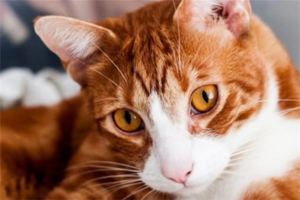
Can You Give a Cat Ice Water to Cool It Down in Summer?
Cats handle heat better than cold; icy water can cramp their gut (pain, diarrhea, vomiting) and many cats dislike cold water and may refuse it, raising heatstroke risk. Offer room-temperature fresh water, ventilate, and use a fan or AC without blowing directly on the cat.

What Happens When You Shave a Dog in Summer?
A dog's coat blocks UV, insulates, and shields skin from bugs and debris; shaving it raises risks of sunburn, skin cancer, follicle damage, parasites, and cuts, and can hurt the dog's confidence and social ease. Unless medically needed, avoid full shaves — instead offer water, shade, cool timing, and light trimming (keep the outer coat).

Summer Dog-Walking Survival Guide (With Heatstroke First Aid)
Dogs have almost no sweat glands and cool mainly by panting, so above 28 C their cooling efficiency drops below a fifth of ours, and asphalt can hit 57 C while a dog's belly, only 20-30 cm off the ground, breathes air 5-8 C hotter. That makes summer walks risky. Walk before 7 a.m. or after 8 p.m. in shaded parks or grass, carry a folding bottle and offer water every 15 minutes, and cap time by breed, short-nosed dogs under 15 minutes in shade, sport breeds rest 5 minutes per 10 of exercise, small dogs under 10 minutes several times a day. Heatstroke can reach organ failure in 30 minutes; early signs are heavy panting, dark purple tongue, thick drool, then staggering and vomiting above 40 C, and seizures or coma with up to 80% death if untreated. First aid: move to shade, wipe groin/armpits/neck with room-temp water, give small sips if awake, keep head low, and rush to a vet.