Search Results
568 results for “staple”

Recipe: Raw Beef Cat Meal
A raw beef cat meal is a balanced staple you can make in under five minutes. Dice 200 g beef tenderloin, 50 g beef heart, and 30 g beef liver, then mix in supplements — taurine, calcium carbonate, multivitamin, salmon oil, probiotics, and a vegetable/fruit puree (under 5% of the total) with alfalfa and kelp powder. Because this is a boneless "edited" raw diet, calcium is essential. Stir well with a little cooled boiled water and serve.

Recipe: Steamed Chicken Breast for Cats
Steamed chicken breast is even more appealing to cats than boiled — the aroma is richer. Add just enough water to cover the pot bottom by about 3 cm, set the breast on a steam rack (or a plate) so it doesn't sit in water, and steam for about ten minutes for a normal piece. Cool, then shred along the grain — finer for kittens, coarser for adults. Suitable for cats over one month old.

Recipe: Chicken Liver Powder Cat Food Topper
Chicken liver powder is a natural topper that makes homemade cat meals more appealing. Slice 500 g of fresh chicken liver and dehydrate it at 68 °C for about ten hours (use a mesh silicone mat for the first few hours), let it cool, then grind it into a fine powder. Store it in a sealed jar in a cool, dry place and stir about one teaspoon (5–10 g) into meals each day. Liver should be only around 5% of a cat's diet, so a little goes a long way.

Can Hamsters Eat Vegetable Leaves?
Vegetable leaves add water and help hamsters cool off in summer, but only in moderation and always washed and dried, since excess moisture causes diarrhea. A few servings a week aid digestion and prevent constipation, with grains as the staple and millet or mealworms for balance. Hardy foods also help wear teeth. Avoid spicy vegetables like chili, onion, garlic, and leek, and never human leftovers or wilted, refrigerated greens, which can harbor bacteria and toxins.
Can Hamsters Eat Meat?
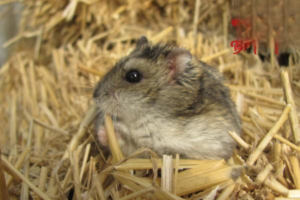
Hamsters can eat small amounts of cooked chicken, fish, or beef, and live foods like mealworms, but meat isn't a dietary staple, so keep it occasional. Their base diet should be grains, with synthetic pellets for dental wear. Never give seasoned, cured, or raw meat; salt, preservatives, and bacteria or parasites in raw meat cause poisoning, diarrhea, or organ strain. Pork is fine cooked and in moderation since its fat drops after cooking; pregnant or nursing hamsters may get extra nutrition.

Recipe: Boiled Chicken Breast for Cats
Boiled chicken breast is the simplest, safest cat meal to start with — most cats accept it readily and there is almost no risk. Gently simmer the breast for 10 to 15 minutes until fully cooked, cool it, then shred it by hand. You can mix in your cat's usual taurine or vitamins, or serve it plain. It is ideal for first-time cat-meal makers and cats new to meat, but on its own it is a supplement, not a complete staple diet.

How to Care for a Netherland Dwarf Rabbit
Netherland Dwarf rabbits are active and need both proper housing and a sensible diet to stay healthy. Provide a cage of roughly 80×60×70 cm with soft bedding, safe toys, and chew sticks, and keep the environment at a stable temperature with low humidity, gentle light, and minimal noise. Feed mainly fresh hay (timothy, mixed, or alfalfa) for dental and digestive health, supplement with quality pellets, a little fruit and vegetables, and constant clean water—but control portions, since these rabbits gain weight easily. Build trust slowly through hand-feeding and gentle handling, and check coat, skin, eyes, ears, and teeth regularly.

Recipe: Chicken Breast and Rice Cat Meal
Many cats love a home-made chicken breast and rice meal. This simple recipe mixes lean chicken with nutrient supplements — taurine, vitamins, calcium, and salmon oil — to make a balanced occasional feed. It takes under ten minutes to prepare, uses a gram scale and egg-yolk separator, and the leftovers freeze well in portion-sized packs for easy thawing. It is a tasty supplement, not a stand-alone staple diet.

What to Prepare When You Bring a Cat Home
Bringing a cat home means stocking up on a few essentials first. You'll need a litter box (open or semi-enclosed) with tofu litter and a scoop, plus ceramic or stainless steel food and water bowls and at least two water stations. For food, a quality dry kibble, occasional boiled chicken or beef, and a weekly wet-food meal cover the basics, with treats kept to a minimum. Scratching posts and teaser toys keep your cat active and protect your furniture, while nail clippers, cat-safe shampoo, a carrier, and a pet disinfectant handle grooming and outings. Finally, hairball remedies and a regular parasite-control plan keep your new companion healthy.

Dog Food Safety: Harmful Foods to Keep Away from Your Dog
A healthy dog starts with a safe, balanced diet. The single most important rule is to keep harmful foods out of your dog's bowl. Certain everyday items—sharp cooked bones, too much animal liver, onions and garlic, chocolate, and allergenic seafood—can damage your dog's digestive tract or even prove toxic. Cooked bones can tear the stomach or intestine; excess liver causes vitamin A poisoning; alliums trigger the destruction of red blood cells; chocolate's theobromine is dangerous in quantity; and seafood often sparks allergic diarrhea. Learning these common dietary taboos helps you protect your dog from acute poisoning, internal injury, and chronic health issues, and keeps mealtime both safe and nutritious.