Search Results
568 results for “staple”
What happens if a dog eats sausage?
A small amount of sausage is usually harmless, but sausages are high in salt and additives; frequent feeding causes coat dryness, severe tear stains, shedding, and bad breath, and can create picky-eating habits. Excess salt burdens the kidneys and may cause renal failure or salt poisoning, so dog food should be the staple.
How should I feed a rabbit?
A rabbit's diet should be based on hay. Under 3 months, feed mostly alfalfa hay with occasional young-rabbit pellets; around 3 months start introducing timothy hay, and after 3 months provide unlimited timothy hay with alfalfa and adult pellets as occasional supplements. Always offer plenty of clean water and limit fresh fruits and vegetables to avoid diarrhea.

How to Choose and Care for Goldfish
Keeping goldfish starts with choosing healthy fish, especially for beginners who may otherwise face sudden illness. Avoid fish that float head-down, list to the side, or show wounds, lost scales, white fuzz, white spots, bloodshot fins, cloudy eyes or faded color. Feed a varied diet of live foods or quality pellets, use fixed times and spots, keep one year-old fish to about 10 litres of water, and maintain clean, stable-temperature water to prevent disease.

What to Know Before Getting a Guinea Pig
Guinea pigs are sweet and fairly easy, yet new owners often hit problems that, with poor management, can turn fatal. Before bringing one home, be sure you can commit to its whole life, then learn its habits and needs. Keep them in groups of the same sex, feed pellets with fresh vegetables and hay, choose safe aspen or maple bedding, clean the cage weekly, place it away from bedrooms because of loud squeals, rule out allergies, and schedule regular vet checks.

Why Is a Shetland Sheepdog’s Coat Dry and Brittle?
A Shetland Sheepdog's dry, brittle coat can come from genetics, poor nutrition, bad grooming, or the environment. Lack of balanced nutrition starves the fur, and too much salty or greasy food harms coat and kidney health. Frequent washing or human shampoos strip the coat, so use dog-specific products. Keep the diet balanced with quality kibble plus eggs, beef, or canned food, add lecithin for coat health, ensure clean water, and control dry air and chemicals. Genetics cannot be reversed, only managed with care.

Dog CoQ10 Safety: Five Principles and Who Needs It
After a dog turns 7, its own CoQ10 synthesis drops, heart function slips, and you may see frequent panting, low spirits, or night coughing — which is why a pet-specific CoQ10 has become a household staple. But because it goes in the body daily, safety is the bottom line: a wrong choice wastes money or burdens the liver and kidneys. This guide sets out five safety principles and the dogs who actually benefit.
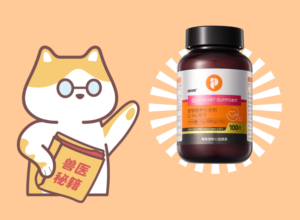
Dog CoQ10 for Seniors and Small Breeds: A Value-Minded Guide
If your dog tires after a few steps, pants often, sleeps longer, or coughs at night, that is not laziness — it is the heart asking for help. Canine heart-disease risk climbs steeply with age (about 10% at 5–8 years, 30% at 8–10, and 45% past 13), which is why CoQ10 is a staple for senior and small-breed care. This guide explains how to judge real value instead of falling for 'cheap' placebos or overpriced imports.

Dog CoQ10 and the Mislabeling Trap: How to Pick a Real One
CoQ10 powers heart contraction, clears free radicals, and slows cardiac aging, so it is a staple for senior dogs and breeds prone to valve disease and enlargement. But without enough actual CoQ10 in the dose, you pay and gain nothing. This guide explains why dose is the bottom line, how brands obscure content, why human CoQ10 is dangerous for dogs, and the three checks that separate a real product from a placebo.
Is the Chinese pond turtle a deep-water or shallow-water turtle?
The Chinese pond turtle is a shallow-water turtle, also called the longevity turtle and symbolic of good fortune and a long life. Keep it in shallow, clean water with rocks to climb on and bask, and feed it mainly meaty foods - dried fish, fish, shrimp - or simply turtle pellets; it's omnivorous but leans carnivorous.

Celestial Eye Goldfish
The Celestial Eye Goldfish is a variety of goldfish whose name reflects its most obvious trait: when viewed from above, you can clearly see its upturned eyes. Newly hatched fry actually have normal eyes; the change begins only about one to two months after hatching.