Search Results
568 results for “staple”

Feeding Your Cat the Scientific Way
Commercial cat foods are formulated to strict nutrition and safety standards, so a quality kibble matched to your cat's life stage is the simplest healthy staple. Human foods like rice, salt, and plain boiled chicken are poor or even harmful substitutes. This guide covers choosing food, using wet food wisely, and the free-feeding approach that suits a cat's graze-and-nibble nature.
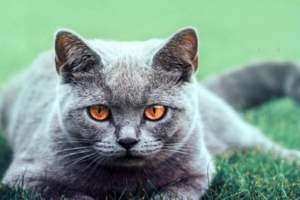
How Cats Eat and Drink: Healthy Habits
In the wild a cat eats up to twenty small meals a day, so free access to food suits its nature better than one or two big bowls. Feeding a single staple with the occasional treat, using puzzle feeders for mental stimulation, and placing water bowls away from food all mirror feline instinct. This guide covers sensible feeding and safe drinking setups for indoor cats.

Why Does Your Cat Have Heavy Tear Stains?
Those dark streaks under a cat's eyes are more than cosmetic; they signal an underlying issue. Tear staining can come from structural problems like ingrown lashes and blocked ducts, from infections and parasites such as eye disease, ear mites, or eye worms, or simply from a salty diet. Understanding the cause is the first step to clearing the stains and keeping your cat comfortable.

Are Dog Treats a Blessing or a Poison?
Treats come in many types. Meat jerky (chicken/duck/beef, dry or moist) suits most dogs—buy branded, dated, labeled ones. Functional treats include dental biscuits and chews (rawhide, pork/beef skin, plant protein) that clean teeth and pass time; size to the dog to avoid swallowing. Dairy treats need lactose-free choices for lactose-intolerant dogs. Natural chews (bones, rabbit ears) are popular but unpreserved, so buy small. Pick known brands with clear labels, check dates, and remember: staple food sustains alone; treats alone do not—and too many treats breed pickiness.

Six Common Misconceptions About Raising Dogs
Six myths to drop: (1) making a dog stand often harms hips—some breeds have poor hip development, so avoid it and supplement calcium; (2) bathing too often strips protective skin oils and invites dermatitis—every 1–2 weeks is enough; (3) 'dogs don't hold grudges' is wrong—they just don't dwell on it, but chronic hitting/coldness makes them distant or depressed; (4) skipping walks fades the coat and weakens immunity—daily exercise matters; (5) skipping deworming raises parasite and skin-disease risk; (6) homemade food as the main diet causes pickiness and imbalance—balanced kibble should lead, with toppers added.

Recipe: Raw Rabbit Bone-Meat Cat Food
Raw rabbit is a lean, novel-protein main meal many cats love and that suits those with sensitivities to common meats. The base is rabbit leg (about 80%) with heart and liver for organs, then the usual supplement set: taurine, calcium, a multivitamin, a little vegetable-and-fruit puree, alfalfa and kelp powder, probiotics, and salmon oil. Dice the meat, stir everything with cooled boiled water, portion one meal and freeze the rest. It takes under ten minutes.
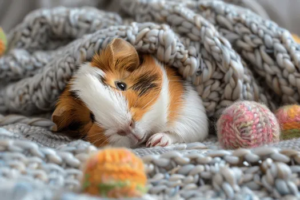
Signs of Internal Imbalance (“Heat”) in Golden Hamsters and What to Do
In small-pet care, "heat" describes a common imbalance in golden hamsters caused mainly by too many fatty, high-calorie treats like seeds, peanuts, and bread. It is not dangerous on its own, but it makes the hamster uncomfortable and can lead to constipation and obesity. The signs range from eye discharge to, in severe cases, prolapse and nosebleeds. The fix is dietary: cut the rich snacks, soften the food, and add a little cooling herb to the water. This guide explains the causes, symptoms, and treatment.

What to Use to Disinfect Your Cat’s Living Space
Home disinfection serves two goals: kill germs and odor, and block contagious feline disease like panleukopenia, calicivirus, and ringworm. Common products include sodium hypochlorite (bleach) and chlorine dioxide, quaternary ammonium, phenolics, potassium monopersulfate, alcohol, UV, and ozone. For pet homes, diluted bleach and chlorine dioxide are effective and safe when rinsed; avoid phenolic and essential-oil-based disinfectants, which are toxic to cats, and ensure areas dry before the cat returns.

What Exactly Is Freeze-Dried Cat Food?
Freeze-dried (FD) food is made by freezing ingredients below -30°C and drying them under vacuum so water sublimates, keeping nutrition and shape largely intact for long storage. Benefits: minimal nutrient loss, unchanged appearance, long shelf life (~10 months), and good rehydration and palatability. It comes as staple or treat FD, fed dry, rehydrated, or mixed with other food. Watch the pitfalls—substandard 'FD' that's really air-dried, and bacterial overload—and choose reputable factory products, quality meat, sensible pricing, opaque sealed packaging, and irradiation sterilization.

Recipe: Raw Duck Cat Meal
A raw duck cat meal is a nutritious, low-cost staple that can be a cat's sole source of nutrition, and ducks are as palatable to cats as chicken. Dice duck leg, breast, heart, and liver (keep some skin for lean cats, and small bones for experienced raw feeders), then mix in taurine, calcium, multivitamin, salmon oil, probiotics, and under 5% veg/fruit puree with alfalfa and kelp. Stir well, serve one meal, and freeze the rest in portions.