Search Results
568 results for “staple”
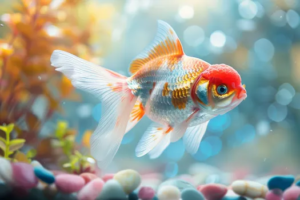
Why Is Your Ornamental Fish Turning White?
When an ornamental fish starts turning white, it is usually a sign of trouble. Common causes include fungal or parasitic infections such as saprolegniasis, neon-tetra disease, or white spot disease; poor water quality with high ammonia or low temperature; unbalanced nutrition; or simply genetics in fish that are naturally pale. Check for lethargy and appetite loss, test and stabilize the water, and feed a proper species-specific diet. If illness is the cause, consult a veterinarian for timely treatment.
Can rabbits eat rice?
No. Rabbits are herbivores whose staple is pellets or hay; rice starch overloads the gut and causes bloating, vomiting or diarrhea. Keep rice out of their diet.
Choosing the Best Dog Food for Senior Dogs (Age 7+)
Once a dog turns seven, its metabolism slows, digestion weakens, and organs such as the kidneys, heart, and liver begin to decline — so the right senior dog food matters more than ever. Look for a formula with at least 25% crude protein (30%+ is better), fat held between 8% and 15%, fiber under 9%, starch no higher than 32%, salt under 2%, and a calcium-to-phosphorus ratio of 1:1 to 2:1. Bonus nutrients like glucosamine, fish oil, and probiotics support aging joints, brains, and guts. Prefer wet food for dogs with poor teeth, transition gradually over seven days, and feed smaller meals. For dogs with heart, kidney, or diabetic conditions, a vet-guided prescription diet is safest.
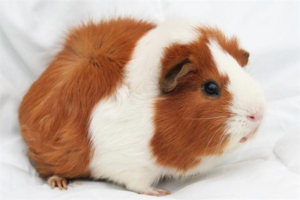
What to Do When Your Guinea Pig Won’t Drink Water?
Guinea pigs need a steady supply of fresh water, and refusing to drink can quickly lead to dehydration and digestive trouble. The cause is often practical rather than medical: too much moisture in their food, stale or dirty water, a poorly placed bottle, or simply a bad habit. Most cases improve once you trim watery produce, switch to a proper small-pet water bottle at the right height, keep it scrupulously clean, and gently train your pet to use it. If a sudden refusal to drink comes with low appetite or lethargy, see a veterinarian to rule out illness.

How to Feed a One-and-a-Half-Month-Old Chinchilla
A chinchilla at six weeks is weaned and ready to come home, but it is still fragile and needs careful feeding. Base the diet on hay and chinchilla pellets, with alfalfa hay as the young staple and the occasional timothy hay to ease the gut, and avoid treats before eight months. Feed small amounts several times a day, always provide fresh water via a bottle, keep the cage dry and clean, and give a multi-level cage with a wheel and regular free time.

How to Tell When a Turtle Is Hungry
A hungry turtle stretches its neck and crawls quickly toward its owner, may bite tank mates' limbs and tails in a shared tank, paddles restlessly searching for food, chews on decorations, eats instantly when fed, and may even mistake a finger for food. Turtles are extremely tolerant of fasting and can survive weeks without eating, but long hunger harms their health. Feed on a schedule, raise frequency in summer, and reduce it in winter, stopping entirely during hibernation.
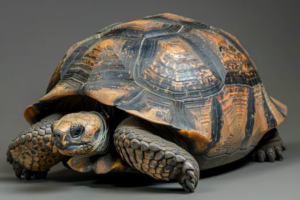
What Are Semi-Aquatic Turtles?
Semi-aquatic turtles are species that do not depend heavily on water. Unlike fully aquatic turtles that must live submerged for long periods, semi-aquatic turtles can spend time on land and only need occasional access to water. In captivity, owners should always provide a shallow water basin so the turtle can soak when needed. Popular examples include the golden coin turtle, leaf turtle, yellow-margined box turtle, Asian giant turtle, spiny hill turtle, and Amboina box turtle. Most semi-aquatic turtles are omnivorous and lean toward plant-based foods. A practical diet uses commercial turtle pellets as the staple, supplemented with vegetables and fruit. Because they do not need water to swallow, they eat comfortably on land, which makes them relatively easy to care for.

Dog Food vs Supplements: What’s the Difference?
Dog food is a complete staple designed by pet nutritionists to meet a dog's basic life, growth and health needs - balanced, digestible, convenient and even disease-preventing. Supplements fill specific gaps: vitamins, proteins, calcium, goat-milk powder, coat and pigment support, aiding development and recovery from illness. The rule is food first, supplements second - even good food is not 100% absorbed, so supplements help. But add them only when needed: large breeds needing calcium for joints or baby teeth, picky or single-diet dogs needing vitamins/minerals, weak or sick dogs (B-vitamin for some skin issues, probiotics for gut), and life-stage needs like goat milk for weaned pups. Over-supplementing backfires into allergy or obesity.

Why Cats Become Picky Eaters and How to Fix It
A picky cat risks malnutrition, anemia, low blood sugar, and a weak immune system, so correcting it protects health. The fix is structure: controlled portions, few treats, a gradual mix-down to staple food, and timed meals that teach good habits. This guide covers the harm and the practical methods.

Feeding Your Cat at Every Life Stage
A cat's diet must shift as it grows, from milk-softened kitten food through high-protein junior meals to fixed adult portions and easy senior diets. Special phases like neutering, pregnancy, and recovery have their own needs. This guide maps food, toppers, and supplements to each age so your cat gets the right nutrition.