Search Results
402 results for “shade”
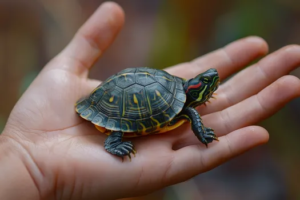
What Water Temperature Is Best for Snapping Turtles?
Snapping turtles tolerate water from 3 to 45 degrees Celsius, but thrive best between 20 and 30 degrees. Below 18 degrees they stop eating, and below 15 degrees they enter hibernation. Above 30 degrees they may become overactive and suffer dysfunction, with signs like poor appetite and breathing difficulty. Keep the water within a comfortable range and change it regularly, replacing about one quarter to one third each time, to keep quality and temperature stable and support healthy growth.
Bear-Type vs. Wolf-Type Samoyed: What’s the Difference?
Samoyeds come in two popular looks: the bear-type (often called the "Australian line") and the wolf-type (the "Russian/Siberian line"). Bear-type dogs are stocky and round, standing about 53-58 cm at the shoulder and weighing 25-30 kg, with a broad, short muzzle and an extremely fluffy double coat. Wolf-type dogs are leaner and more athletic, roughly 3-5 kg lighter, with a longer, narrower muzzle, almond eyes set close together, and a sleeker, coarser coat. Temperament differences are minor and mostly shaped by socialization rather than bloodline. The most important factor when choosing a pet is matching the dog's needs to your lifestyle, not which "version" you prefer.

Can Hamsters Die from Sunlight?
Hamsters can die from too much sun. As nocturnal animals, they prefer cool, dim environments, and direct exposure to strong sunlight can seriously harm their health. Their thin skin burns easily under UV rays, their eyes are adapted to darkness and can be damaged by bright light, and because they cannot regulate body temperature like humans, they overheat quickly and may suffer heatstroke, dehydration, or heat exhaustion. To keep a hamster safe, avoid prolonged sun exposure, maintain a habitat around 18-24°C with shade and good ventilation, and always provide fresh water.

What Are the Benefits of Sunbathing for Dogs?
Letting a dog bask in the sun in moderation is a simple way to boost its health and happiness. Sunlight helps the body make vitamin D, which drives calcium absorption and strong bones. It also acts like a natural antidepressant—easing stress, anxiety, and low mood while improving circulation and brain function. UV rays stimulate immune cells so the dog resists infections better, and mild exposure can calm skin inflammation, speed wound healing, and keep the coat shiny by reducing surface bacteria and parasites. The catch is moderation: too much sun, especially at midday, risks dehydration, heatstroke, and even skin cancer. Always offer shade and fresh water, and keep sessions short.

Daily Hygiene and Disease Prevention for Dogs
Every disease has a cause, and good daily management can remove many of those causes before they harm your dog. The principle of prevention over treatment is central to responsible dog keeping. Food safety, clean living quarters, and a tidy environment are the three pillars that lower the cost of illness.

Key Points for Caring for a Cat in Summer
Summer heat raises the risk of parasites and heatstroke, so cat care in the warm months means three jobs: cleanliness, cooling, and diet. Run the AC without sharp temperature swings and don't shave the coat—thin it slightly instead, since bare skin burns and the cat sheds heat through paw pads. Feed little and often with light food, refresh water and food frequently so nothing spoils, and never offer cold food that upsets the stomach. Clean the nest, litter box, and belongings regularly and keep up flea, tick, and worm control. These habits keep a cat healthy through summer.
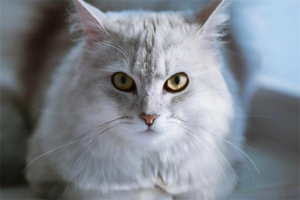
How to Care for Your Cat in Summer
Cats have thick coats and dislike heat, so summer care centers on safe cooling to prevent heatstroke. Move the bed to a cool indoor spot, offer a cooling mat, trim only the paw fur (never shave—UV then damages skin), and keep air flowing with a fan or AC set no lower than comfortable, avoiding big temperature swings. Cats shed heat through their paw pads, so shorter paw hair helps. Hydration matters because fast summer metabolism raises dehydration risk—encourage drinking. Feed fresh food in small portions and clear leftovers fast, since wet food spoils quickly in the heat. These steps keep a cat comfortable through summer.

5 Common Mistakes to Avoid When Walking Your Dog
Walking is one of the simplest ways to keep a dog happy and healthy, but the wrong approach can do more harm than good. From erratic schedules to walking in extreme heat, a few common habits put unnecessary strain on your dog's body and safety. Here are five mistakes to leave behind.

Summer Hazards for Cats
Summer is a rough season for cats. With poor sweating, they overheat fast - five minutes on hot asphalt, in a sealed space or on a sunny balcony can cause heatstroke: high temperature, fast pulse, panting, then dizziness, vomiting and coma. Move them to shade and cool with water or a fan, and rush to the vet if it does not ease. Warm weather also brings acute gastritis from spoiled food (limit water and feed easily digested fluids) and skin disease from fleas, mites and fungi - treat the cause and keep up prevention with cleaning and deworming.
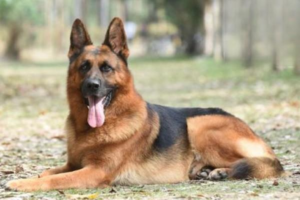
How Big Is an 8-Month-Old German Shepherd
An 8-month-old German Shepherd is no longer a puppy in behavior, but it is still a teenager in body and mind. Most dogs of this breed have passed their fastest growth phase by eight months, yet they keep filling out and strengthening for many more months. Knowing what size, weight, and temperament to expect helps you feed, exercise, and train your young dog with confidence.