Search Results
402 results for “shade”
How many colors can cats see?
Cats see blue and yellow (and green derived from them); they can't tell red, which looks gray/black to them. Not full color, but not pure black-and-white either, and they see green dogs can't. With few cones and near-sightedness, they don't distinguish subtle shades.

Why Do Turtles Bask in the Sun?
Basking is a natural and necessary behavior for most turtles. Proper basking helps sterilize the shell, regulate body temperature, absorb calcium, and enhance shell coloration. Owners should provide a suitable basking spot and understand the precautions—avoid intense direct sun and limit basking time—so the turtle's health isn't harmed.
Are rabbits sensitive to heat?
Rabbits are quite heat-sensitive; their comfort zone is 15–25°C and over 30°C risks heatstroke. In summer keep the cage in a cool, airy, shaded spot and add a cool stainless-steel floor; always provide plenty of fresh water changed daily, since dirty water upsets their weak digestion.
Which Scottish Fold coat color is the most expensive?
Silver shaded, bicolor, and calico Scottish Folds currently command the highest prices, sometimes tens of thousands. But price is mainly set by bloodline and conformation, not coat color. Note that all Scottish Folds carry a hereditary bone disease, so schedule regular vet checkups.
Are turtles sensitive to heat?
Turtles do mind the heat. They thrive around 23–26°C, where warmer temperatures mean a bigger appetite and faster growth, but beyond 30°C both appetite and growth slow down. In hot summer weather, move turtles indoors or add shade over the pond to keep them healthy.
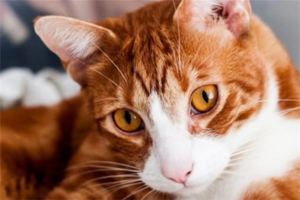
Can You Give a Cat Ice Water to Cool It Down in Summer?
Cats handle heat better than cold; icy water can cramp their gut (pain, diarrhea, vomiting) and many cats dislike cold water and may refuse it, raising heatstroke risk. Offer room-temperature fresh water, ventilate, and use a fan or AC without blowing directly on the cat.

Signs Your Dog Is Too Hot (and How to Prevent Heatstroke)
A hot dog pants with its tongue out, breathes rapidly, eats less, has damp paw pads, lies belly-down, drinks heavily, drools, and licks itself. If the heart rate tops 120–150 or the tongue turns purple, it may be heatstroke. Keep outings to cooler hours, offer shade and water, and trim thick coats.

What to Do When a Dog Keeps Panting Heavily
Heavy panting can signal respiratory disease, heart disease, heatstroke, obesity, anxiety, brachycephalic breed traits, or parasites like heartworm. Note other signs: coughing, fever, or weight loss means see a vet; panting after exercise or heat suggests heatstroke — move to shade, offer water, and cool the paws, belly, and ears.
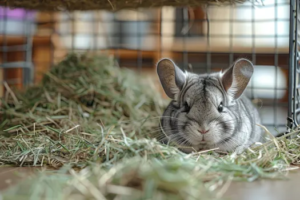
Hamster Heatstroke: First Aid
Hamsters are heat-sensitive and can die from heatstroke in high temperatures. Move a stricken hamster to a cool spot, wrap it in a damp (not ice-cold) cloth to cool it down, then offer saline or glucose once it recovers a little to restore energy.
How should a beginner care for a turtle?
New turtle keepers should dechlorinate tap water, feed pellets or small protein-rich foods in small meals twice daily, and provide a basking spot. Shade plants help in hot outdoor ponds.