Search Results
402 results for “shade”

Why Do Cats Have Different Eye Colors?
Cat eyes come in an astonishing range of colors - copper, amber, green, blue, orange and brown - and certain breeds are famous for theirs: Ragdolls and Siamese for brilliant blue, while the common domestic shorthair most often shows yellow. But a kitten's eye color is not set at birth. Newborn kittens usually have blue eyes because melanin has not yet activated, and the true color only emerges as they grow. In this article we explain what determines a cat's eye color, at what age it settles, why some cats show a mesmerizing deep blue, and the fascinating genetics behind odd-eyed cats with two different colored eyes.

How to Care for an Alligator Snapping Turtle
Alligator snapping turtles are aggressive, long-lived freshwater turtles that make challenging but rewarding pets. They are mostly aquatic but must come ashore often to breathe, so provide a rock or basking platform. Keep water deep, about two to three times the shell height, with a land area for shelter and sunning. Change only one fifth to one third of the water weekly to avoid shocking them. Feed a varied carnivorous-leaning diet of fish, shrimp, earthworms, lean meat, and insects plus some greens, and keep the temperature steady at 26 to 32 degrees Celsius. Avoid overfeeding and too much fat or salt, and clean the habitat regularly to prevent disease.
Why Dying Cats Stare at Water
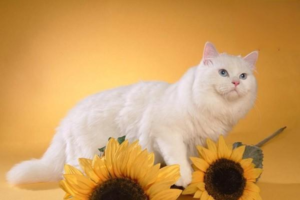
A cat fixated on water near the end of life often reflects kidney failure, instinctive seeking of cool, safe water, or parasites raising temperature. It resembles a final rally and means the cat is at death's door; if you see it, a vet visit may still help.

What to Watch For When Caring for Rabbits in Summer
Hot, humid summer weather breeds bacteria and challenges rabbit health, so extra care is needed. To help your rabbit thrive, focus on cooling and sun protection, keep the hutch at a comfortable temperature with good airflow and less UV exposure to prevent heatstroke, adjust the diet with plenty of fresh water and food, and control pests so mosquitoes and flies don't plague your pet. This article walks through the key summer care measures every owner should follow.

Appreciating the Golden Retriever
Bred in 19th-century Scotland as a tougher retriever for marshy hunting grounds, the Golden Retriever descends from a yellow dog crossed with the extinct Tweed Water Spaniel, later refined with Irish Setter, Bloodhound, St. John's Water Dog, and black retrievers. It reaches full height at 9–14 months, full weight at 2 years, mental maturity at 3. English, American, and Canadian lines differ in build and coat shade (cream to gold, never red). They shed twice a year, need daily brushing, at least an hour of exercise, weight control, and yearly checkups—average lifespan 11–12, with cancer, heart, eye, joint, and skin risks.

Are Hamsters Sensitive to Heat? Signs and Cooling Tips
Hamsters do mind the heat, and in a hot summer they can overheat and suffer heatstroke, showing signs like lying still, dull eyes, and rapid breathing. Owners need to plan cooling before the temperature spikes. The good news is that simple housing tweaks—shade, the right bedding, a water basin, and stable temperatures—go a long way. This guide covers how a heat-stressed hamster behaves and the practical steps to keep it safe through the summer.

Why Is My Ragdoll Cat Breathing Heavily?
A Ragdoll that breathes noisily isn't automatically sick—it may simply have exercised hard or be reacting to heat. But if the heavy breathing persists, it can signal real problems: respiratory disease, obesity, heatstroke, infectious peritonitis, liver-related fluid buildup, or heart disease. Watch for other symptoms and see a vet if it continues. For overweight cats, weight control helps; in hot weather, keep them cool and hydrated to prevent heatstroke. This article covers the likely causes and the practical steps you can take at home.

Rabbit Lying Down with Weak Limbs — What to Do
Seeing a rabbit flat on the ground with weak legs can look like the end, but the cause is often treatable. The three usual suspects are heatstroke from a hot, stuffy room, low blood sugar from poor nutrition, and coccidiosis, a parasitic gut infection. Each has a distinct fix, from cooling and glucose to deworming and disinfection. This guide explains how to tell them apart and what to do before a vet visit becomes necessary.

Can Cats Get Heatstroke?
Like people, cats can suffer heatstroke if they can't cool down in hot weather—flat-faced breeds (Exotic, Persian), older cats, and overweight cats are at higher risk. Above 32°C is very hot for a cat; above 40°C is dangerous. Cats cool mainly through paw-pad sweat, panting, and saliva evaporation, so help them with plenty of water, cool tiles, shade, air conditioning (a fan alone does little), and trimmed paw fur. Watch for prolonged panting with bright-red gums, drooling, vomiting, and weakness—and get to a vet fast.

Can You Take a Rabbit for a Walk?
Rabbits can go for walks, and occasional outings benefit them: exercise builds strength and stamina, time outdoors eases stress and anxiety, and walking stimulates gut movement to improve appetite and digestion. Outings may even support a longer, healthier life. Keep it safe, though—choose a quiet area away from traffic and hazards, acclimate the rabbit gradually, avoid extreme heat or cold, and watch for signs of distress. Outdoor rabbits should also be dewormed regularly. Indoor rabbits generally do not need walks, but outdoor rabbits can enjoy moderate, supervised time outside.