Search Results
402 results for “shade”

What’s the Difference Between American and British Shorthair Cats?
The two differ a lot: the American (AmSh) has a larger, rounder face and body, while the British (BrSh) has a finer, smaller face. AmSh comes in fewer colors; BrSh in many (silver/golden shaded, pointed, solid). BrSh is calm, lazy, quiet, and clingy; AmSh is lively, curious, and hardy. BrSh is picky about food quality; AmSh eats readily and is easygoing.

Why Do Some Dogs Like to Sleep Under the Bed?
Dogs sleep under beds mainly because the den-like space taps an instinct from their wolf ancestors and feels safe; a sudden shift to hiding can signal anxiety (strangers, separation, noise) or illness. It is also cooler in summer and sheltered in winter. To move them to a bed, lure with treats and place the bed by your own bed first, then shift it gradually.

What Happens When You Shave a Dog in Summer?
A dog's coat blocks UV, insulates, and shields skin from bugs and debris; shaving it raises risks of sunburn, skin cancer, follicle damage, parasites, and cuts, and can hurt the dog's confidence and social ease. Unless medically needed, avoid full shaves — instead offer water, shade, cool timing, and light trimming (keep the outer coat).
Which British Shorthair color is the most expensive?
The golden shaded (golden gradient) is generally the priciest — roughly ¥7,000–¥50,000 from a standard cattery, up to ¥20,000–¥50,000 from a professional one.
How do you keep tadpoles alive?
Use a tank with sandy bottom and dechlorinated water, keep it shaded and ventilated, change half the water every 7–15 days, and feed boiled egg yolk, veggie bits, or algae.

Summer Dog-Walking Survival Guide (With Heatstroke First Aid)
Dogs have almost no sweat glands and cool mainly by panting, so above 28 C their cooling efficiency drops below a fifth of ours, and asphalt can hit 57 C while a dog's belly, only 20-30 cm off the ground, breathes air 5-8 C hotter. That makes summer walks risky. Walk before 7 a.m. or after 8 p.m. in shaded parks or grass, carry a folding bottle and offer water every 15 minutes, and cap time by breed, short-nosed dogs under 15 minutes in shade, sport breeds rest 5 minutes per 10 of exercise, small dogs under 10 minutes several times a day. Heatstroke can reach organ failure in 30 minutes; early signs are heavy panting, dark purple tongue, thick drool, then staggering and vomiting above 40 C, and seizures or coma with up to 80% death if untreated. First aid: move to shade, wipe groin/armpits/neck with room-temp water, give small sips if awake, keep head low, and rush to a vet.
What Colors Can Dog Eyes Be?
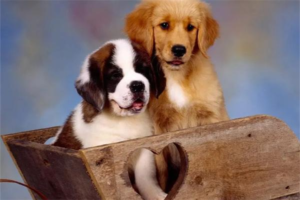
Dog eye colors vary widely: brown, black, and blue are most common, while green and gold are rarer, and some dogs show heterochromia, or two different-colored eyes. Color is genetic, but age, health, and environment can change it over time. Puppies are born with light eyes that darken with age. Whatever the shade, each pair is unique, so watch and care for your dog's eyes, cleaning them regularly and seeing a vet at the first sign of trouble.
What Colors Can Cat Eyes Be?
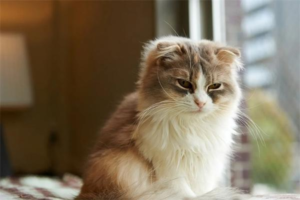
Cat eyes come in yellow, orange, green, gold, gray, and amber, with blue as a rarer shade. Color is set by genes through iris pigmentation and light refraction. The iris has two pigmented layers, the stroma and the epithelium, and the number of melanocytes decides the hue while their activity sets the depth; without melanocytes the eye looks blue. Green and gold are most common, blue is uncommon and often seen as elegant, and a kitten's eyes start blue before settling into their true color. Illness or injury can dull the shine later in life.

Early Signs of Heatstroke in Dogs—and How to Prevent It
Dog heatstroke progresses through early warning signs, moderate fever, and severe shock, and the early stage is the easiest to miss—and the easiest to treat. Watch for constant open-mouth breathing with the tongue out and rapid shallow breaths, lethargy and slow responses, seeking shade and refusing to walk, thick stringy drool with a dry hot nose, and reddened, warm paw pads. Move the dog to a cool, airy spot and offer water in small amounts at the first sign; untreated, it can become critical within minutes. This article also covers which dogs are most at risk and practical prevention, from walking at dawn or dusk to never leaving a dog in a parked car.
Why Is Your Cat Panting in the Car? Causes and What to Do
If your cat pants with its mouth open on a car ride, don’t ignore it. In most cases—around 80%—it’s fear: indoor cats suddenly confined in a small, noisy, vibrating space experience a spike in adrenaline that speeds up heart and breathing, and open-mouth breathing is how they meet the higher oxygen demand. But panting can also signal heatstroke, carsickness, or an underlying heart or respiratory condition. This article explains the main causes, how to tell them apart, and a graded response—from calming a mildly stressed cat to urgent steps if the tongue turns blue—so travel becomes less frightening for everyone.