Search Results
37 results for “select breeding rabbit”
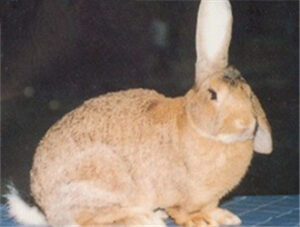
Saibei Rabbit
The Saibei Rabbit is a man-made breed developed from a cross of the French ram rabbit and the Flemish Giant, mainly used for production as a fur-and-meat dual-purpose rabbit. Its main advantages are large size, fast growth, high fertility, strong disease resistance, low morbidity, tolerance of coarse feed, adaptability, a gentle temperament, and easy management.
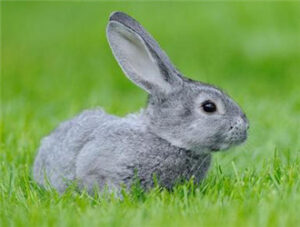
Chinchilla Rabbit
The Chinchilla Rabbit is an excellent fur-and-meat dual-purpose economic rabbit introduced to China, where it has been raised for a long time and has adapted well, making it fairly common.
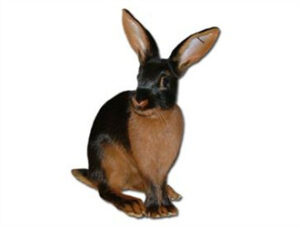
Tan Rabbit
The Tan Rabbit's coat color is the result of selective breeding—not fixed, but pieced together from color blocks. It is a small-to-medium rabbit, usually kept on a small scale, and not commonly seen in the market.
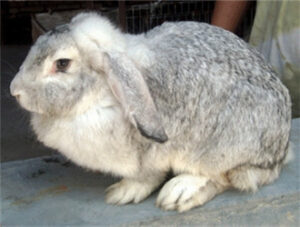
Ram Rabbit
The Ram Rabbit is a large, lop-eared meat rabbit originally from North Africa, known for its ram-like head and gentle, slow temperament. Mainly raised on farms, it has low fertility, so special attention to nutrition during pregnancy is essential.
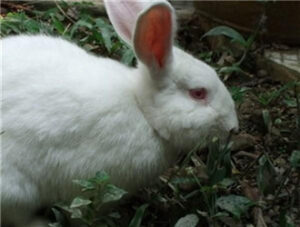
Florida White Rabbit
The Florida White Rabbit is a common, medium-sized all-white rabbit with red eyes from a lack of pigment, kept widely around the world as a popular and unremarkable breed. It is gentle, easy to care for, and an ideal choice for beginner rabbit owners.
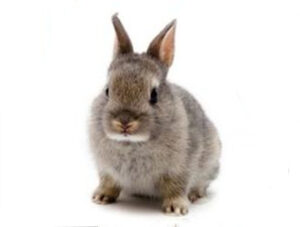
Dwarf Rabbit
The Dwarf Rabbit is a classic pet rabbit breed with a very small, adorable body that never grows large—its defining trait. Purebreds are expensive and rare, so beware of sellers passing off ordinary baby rabbits as Dwarf Rabbits; a true Dwarf Rabbit stays tiny for life.
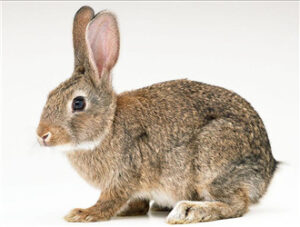
Belgian Rabbit
The Belgian Rabbit, also known as the Giant Gray Rabbit or Flemish Giant, is a famous meat rabbit breed originally from Belgium. With its large build, yellowish-brown coat, and high meat yield, it is mostly raised on farms in rural areas rather than kept as a pet.

What Season Is Best for Breeding Rabbits
Spring and autumn are the best breeding seasons — warm, dry, and bright, with high conception and kit-survival rates. Avoid breeding above 30°C in summer or without heating in winter. Choose quality stock, feed a balanced diet with carrots pre-breeding, give exercise and light, and time mating to bright-red vulva estrus using repeat mating.

How Environmental Factors Affect Meat Rabbit Fattening
A dim, quiet environment helps fatten meat rabbits: it suppresses sexual development, raises feed efficiency, calms the animals, and speeds weight gain — trials show rabbits in darker cages weigh 250–350 g more after six months. Because they get little sunlight, keep cages clean, disinfect often, and feed a complete diet rich in vitamins and minerals.

How to Raise Meat Rabbits Efficiently
Efficient meat-rabbit farming comes down to five things: choose high-quality breeding stock, manage them well to reach their full production potential, improve feed conversion to cut costs, keep the rabbitry disease-free, and adjust your scale to market demand. Strong breeding selection and good husbandry are the biggest levers on profit.
- « Previous
- 1
- 2
- 3
- 4
- Next »