Search Results
449 results for “pellet feeding”

Silver Arowana Care Guide
Silver arowana are large fish needing a tank at least 150 x 50 x 70 cm with a lid, steady 24-29 C water at pH 6.5-7.5, and a mature filter. Feed small frequent meals of varied foods (no fatty organs, no spoiled food), fast on water-change days, and change 20-30% of the water slowly.
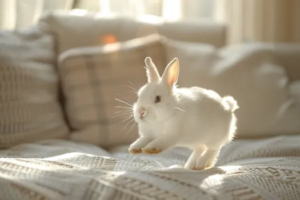
Key Management for Raising Baby Rabbits
A baby rabbit is usually one from weaning to three months, the hardest age to keep and the time with the highest death rate. Here are the key management tasks to raise survival.

Common Causes and Remedies for Arowana Drop-Eye
Drop-eye in arowana is the downward displacement of the eye caused by excess orbital fat, mainly from uneven lighting, overfeeding, sinking feeds, and a tank set too high. It is cosmetic rather than life-threatening, but can be corrected by switching to floating feeds, balancing the light, cutting fat, wrapping the tank, or surgery in severe cases.

How to Feed Chinchilla Treats Safely
A chinchilla's staple is hay and pellets; treats are for bonding only. Pick low-fat, low-sugar, natural plant snacks (dried carrot, papaya, apple, rose petals, raw oats) and avoid roasted seeds, candy, and anything with preservatives or color. Keep treats under 3 g a day, skip them when the chinchilla is sick, and never give fresh high-water fruit that causes diarrhea.

How Long Do Golden Coin Turtles Live — and How Big?
With good care a golden coin turtle lives 30–80 years (40–100 with hibernation); wild ones live longer. Adults reach about 1.5 kg, females larger than males. Feed earthworms, fish, shrimp, organ meat, or synthetic pellets plus occasional fruit, veg, and grain for vitamins, and don't breed them until females are 6–7 and males 4–5, when organs are ready.
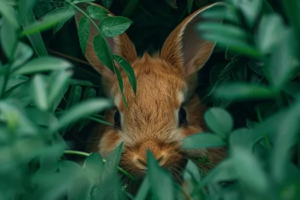
Why Is My Rabbit Suddenly Limp All Over?
A limp rabbit may be from calcium deficiency, low blood sugar, low energy intake, or cold/hard-to-digest food. Tell normal rest (jumps up when called) from pathology (slow, won't move or eat). Hypoglycemia needs warming and syringe-fed glucose water, then a vet. Feed on schedule with hay and pellets, and see a vet for persistent limpness or dry stool.

How to Care for a Hamster After It Gives Birth
A hamster just after birth is weak, so care for the pups while meeting the mother's nutrition needs. Here are tips for looking after the new mother and her babies.

Caring for a Chinchilla
Chinchillas are delicate vegetarians that often die from wrong food and heat. Choose a healthy, calm youngster, house it in a plastic-free cage at 8–25°C, feed a hay-based diet, and keep its environment quiet and let it clean itself in dust baths.
How to Improve Rex Rabbit Pelt Quality
Rex rabbit pelt quality depends on breeding, early growth, and feeding. Use cross-line breeding with strong lines, push weight gain before 3.5 months then limit it, feed complete pellets with additives, keep the hutch near 25°C and 55 to 65% humidity, and slaughter at about 5 months and 2.5 to 3 kg.

Can Blood Parrot Cichlids Eat Mealworms, and How Often?
Blood parrot cichlids are popular, lively, sometimes greedy fish, so owners should know their diet. Mealworms are a common feed — can parrots eat them, and how often? This article explains.