Search Results
449 results for “pellet feeding”

Oriolus
The Oriole (Oriolus), also called 'oriole' or 'golden oriole', is the subject of many poems and is very famous. Females are mainly distributed across the tropical Eastern Hemisphere except New Zealand and the Pacific islands. They breed in eastern China and migrate south to India in winter.

Eurasian Siskin
The Eurasian Siskin (Carduelis spinus), also called the yellow bird, is mainly yellow as its name suggests. It is distributed from Europe to Egypt and east to Japan, the Korean Peninsula, and China, living in forests, hills, and plains; in autumn and winter it is more often seen in plains or sheltered foothill belts.

What Is a Proper Hamster Diet
A correct hamster diet is built on staples (grains), supplemented by fresh vegetables and fruit, occasional oily seeds as treats, and protein-rich foods like boiled egg white or mealworms. Mix about 70% staple, 20% vegetable/fruit, 10% treats. Avoid chocolate, coffee, sugar, and pungent vegetables like onion and garlic.

How Often to Feed Turtles in Summer
In hot summer a turtle's metabolism speeds up and its appetite grows, so you can feed a bit more to build reserves. Hatchlings under 5 cm should be fed daily, larger turtles every other day, and feeding should avoid the strong midday sun. Good summer care also means shade plants, checking food for spoilage, balanced nutrition, and frequent water changes to prevent shell rot.

Why a Rabbit’s Eyes Get Inflamed and Pus-Filled, and How to Treat
Inflamed, pus-filled rabbit eyes usually come from a poor diet (too salty or dry 'heating' feed), eye irritants like dust or stray fur, or uncleared daily discharge that breeds bacteria. Treat by switching to carrots, apples, and greens, removing any foreign object and trimming surrounding fur, and wiping the eyes daily; see a vet if pus is severe.

How to Raise Meat Rabbits Efficiently
Efficient meat-rabbit farming comes down to five things: choose high-quality breeding stock, manage them well to reach their full production potential, improve feed conversion to cut costs, keep the rabbitry disease-free, and adjust your scale to market demand. Strong breeding selection and good husbandry are the biggest levers on profit.
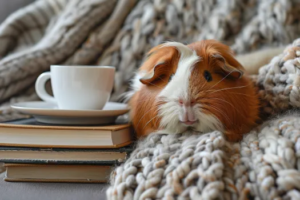
What’s the Best Food for a Chinchilla?
Chinchillas are herbivores that eat mainly alfalfa and Timothy hay, much like rabbits—but they're greedy, so don't overfeed or you'll harm their gut. This guide covers foods, portions, timing and what to do if one stops eating.

How to Raise Newly Hatched Turtles: What Do Hatchlings Eat?
Turtles from egg to their first winter are called hatchlings — small, sensitive, and easy to lose, so they need careful rearing. Here is when to pond them, what to feed, and how to manage water.

The Dangers of a Picky Hamster and What to Do
Hamsters easily turn into picky eaters. Left alone, that leads to poor nutrition, overgrown teeth, and even diabetes. Here is how to gauge the severity and fix it.
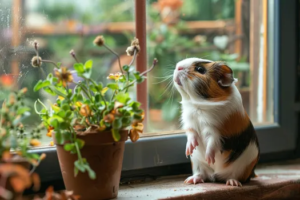
Is Chinchilla Soft Stool Normal, and How to Handle It
Normal chinchilla droppings are firm rice-grain pellets; soft stool is abnormal and can slide into severe diarrhea and enteritis if ignored. Mild cases need diet fixes (more hay, no snacks or oily food, probiotics); severe or watery stool needs a vet check, anti-diarrhea and sulfa drugs, deworming, or rehydration.