Search Results
449 results for “pellet feeding”

Why Is My Rabbit Passing Red Stool?
Red stool can be harmless—red-pigmented foods like red spinach or mustard greens—or a warning of bleeding from gut inflammation, gastritis, or an anal tear. Overfeeding concentrated feed ferments in the cecum, upsets the gut flora, and causes enteritis with bloody diarrhea. Keep the home dry and airy, prevent coccidiosis, use a smooth cage floor, feed vegetables in moderation, give chew toys, control portions (rabbits have no fullness cue), and balance grain, greens, hay, and water.

Long-Haired Curly Guinea Pig
The Long-Haired Curly Guinea Pig, also known as the long-curly-haired cavy, is a rare and distinctive guinea pig variety native to Peru and Brazil. With its unique curly long coat and gentle nature, it makes a beloved small pet, though its coat requires regular grooming to prevent matting.

Things to Know When Keeping a Shih Tzu Bear Hamster
The Shih Tzu bear hamster (a long-haired Syrian) is easy to keep but needs care: do not spoil its picky side, feed set amounts in small frequent meals with cooled boiled water, and watch its food hoarding. Use a large cage, secure the door against escapes, choose cat-litter or tissue bedding (not wood shavings), fit a big wheel, give proper chew sticks, never place it up high, and keep the temperature steady—big swings can be fatal, especially for the young.
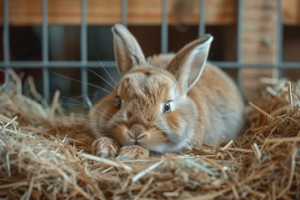
Key Points for Raising and Managing a Baby Rabbit
Baby rabbits are fragile: feed junior pellets and alfalfa (not fruit/veg), give clean water (never tap), keep the cage clean and quiet, hold temperature near 20 C (15-30 range), and prevent diarrhea and coccidiosis.

How to Care for a Pet Rabbit, Especially One Newly Brought Home
Rabbits need hay (alfalfa for young, timothy for adults), pellets and veg twice daily, fresh water, a dry 15-25 C home, and no baths. A new rabbit needs quiet, limited space, separation from residents, and a fecal test (not yet deworming) at the vet.

What Can Turtles Eat?
Turtles are omnivores - feed turtle pellets, aquatic plants, small fish and shrimp, lean meats, and some vegetables/fruit. Alternate foods for balance, do not overfeed, stop food a month before hibernation, and sun them after meals.
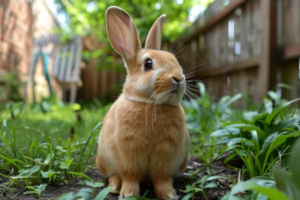
How to Feed a Panda Rabbit, and What to Watch For
The panda rabbit, also called the Dutch rabbit or Dodge rabbit, has white fur with built-in 'dark eye patches', earning the panda nickname and growing popular in China. But raising one is not as simple as it seems; diet needs special care. Here is how to feed a panda rabbit and what to note.

What Not to Do When Raising a Rabbit
Pet rabbits need care and skill; they are fragile with sensitive guts and specific temperature and humidity needs. Neglect leads to illness and death. Here are the don'ts of keeping a pet rabbit.
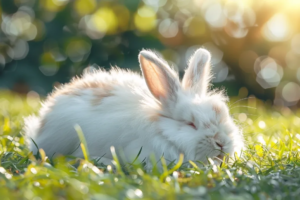
What Affects a Rabbit’s Lifespan?
A rabbit's life is shaped by its own traits, diet, and environment. Feed hay-based balanced food (not just vegetables or sweets), keep the cage clean, dry, and quiet between 15–25°C, house it indoors, avoid over-bathing and neglect, and don't breed females repeatedly — all of which shorten life.

What to Do When a Blood Parrot Fish Loses Its Red Color?
A blood parrot cichlid that loses its red color is usually responding to insufficient light, poor water quality, temperature stress, or an unbalanced diet. Restore vivid color by keeping the pH at 6.5–7.0, doing regular water changes, feeding color-enhancing food rich in astaxanthin and carotene, providing 2–3 hours of daily light, and holding the temperature near 28°C with swings under 2°C.