Search Results
449 results for “pellet feeding”
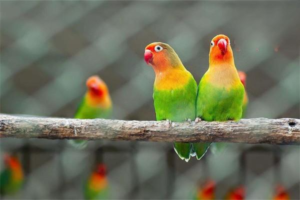
Pros and Cons of Feeding Pelleted Diet to Parrots
Although pellets meet most of a parrot's nutritional needs, the manufacturing and heating process can degrade vitamins and minerals, causing some loss. So besides pellets, supplement what the bird lacks. Our team explains the pros, cons, and precautions of pellet feeding.

Feeding Management for Rabbits by Life Stage
Rabbit feeding changes by stage: kits need colostrum within 10 hours and a warm dry box at 28-31°C, pellets start at 16-22 days, twice-daily junior formula at 40 days, and grass alongside feed at 60-90 days. Keep housing clean and dry and prevent coccidiosis, overeating, and diarrhea.
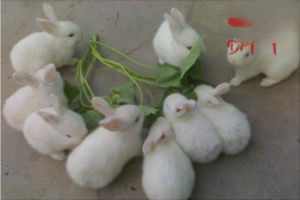
Common Mistakes in Feeding Rex Rabbits
Common rex-rabbit feeding mistakes include all-concentrate diets, whole grains instead of pellets, blanket antibiotic use, freezing vaccines, and unsafe mite treatment with soap plus trichlorfon. Each disrupts gut flora or destroys vaccine potency and can sicken or kill rabbits.

What to Watch When Feeding Rabbits Different Feeds
Rabbit feeds include greens, pellets, roughage, and concentrates, each with rules: keep greens clean, mix legumes with grasses, avoid mold, feed tender young greens sparingly, and check for toxic plants. For roughage, understand drying methods—artificial high-heat hay keeps the most nutrients.
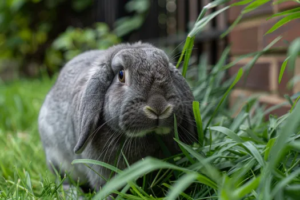
Rabbit Feeding Rules
The kit-to-juvenile stage needs extra care. Vaccinate at 30–45 days, feed weaned juveniles pellets four times daily in small amounts, limit greens for light kits, give breeding stock peanuts, and never use chicken or pig feed—only rabbit-specific pellets with alfalfa-based hay powder.
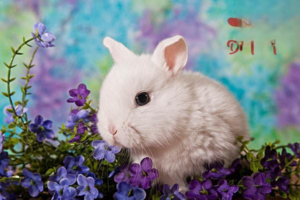
Feeding Principles for Rex Rabbits
Rex rabbits are herbivores fed mainly on greens and roughage with limited concentrates (greens 60–70%, roughage+concentrates 30–40%). Vary the diet, keep feed and water fresh, change feed gradually, prefer palatable pellets, and feed on a fixed schedule to aid digestion.

The Necessity of Feeding Hay to Rabbits
Eating hay is necessary for rabbits. Even if the rabbit food the owner usually feeds is good, hay must still be provided. Many people wonder why hay is so important to rabbits. Below we tell you about the necessity of rabbits eating hay. Why must pet rabbits eat hay?

What to Do When a Rabbit Eats Only Pellets and Refuses Hay
Rabbits need hay for fiber, gut health, and teeth grinding. Refusal comes from taste preference, new environment, or poor hay quality. Fix it by cutting pellets gradually, offering varied hays (alfalfa, timothy, etc.), and keeping hay fresh. Watch intake, weight, and droppings.
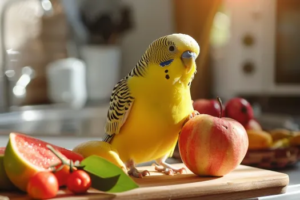
How to Care for a Baby Cockatiel (Hand-Feeding Guide)
Baby cockatiels need formula or soft millet porridge at 38–40°C before weaning, then seed and pellets with weekly fruit, vegetables, and cuttlebone. Keep the brooder at 20–26°C, clean the cage often, and discard old food and water daily to prevent diarrhea.
My turtle suddenly stopped eating pellets, eats like it’s in pain or choking, spits up, only a little dried shrimp works, less active, hind legs swollen with white stuff
Swollen turtle legs can come from edema, infection, ascites, sudden temperature change, or fat metabolism issues. Edema can follow bad diet or pathogen infection. Stop feeding temporarily and watch; if no improvement or other symptoms, see a vet.