Search Results
476 results for “doe rabbit”

Productive Lifespan of Breeding Rabbits
A breeding rabbit's best years are the first one to two, with productivity then falling 15 to 20 percent a year, so renew stock every 2 to 3 years. Give breeders a clean, dry, well-ventilated hutch, breed in spring and autumn, cool them in summer, and keep them warm below 5°C.

Six Key Points for Breeding Rabbits in Summer
Summer breeding needs care: mate does below 25°C at cool times, keep bucks at about one mating a day, set first-mating age at 5 to 7 months by size, pair similar-aged adults, and use repeat or double mating to lift conception. Put the doe in the buck's cage, never the reverse.
Why Do Rabbits Have Trouble Conceiving?
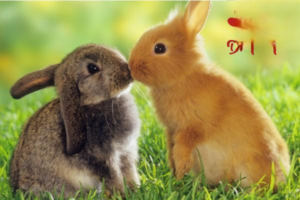
Poor conception in does usually traces to body condition (over-fat or under-fed), missing nutrients like vitamins A and B, poor light or temperature, reproductive disease, or weak bucks. Find the exact cause before treating — the autumn molt and old age also lower fertility.

Things to Note for Autumn Rabbit Breeding
Autumn is a high-fertility season for rabbits, so prepare early: mate does below 25°C at cool times and in mid-to-late heat, keep first mating at 5–6 months by size, use prime adults, limit bucks to about one mating a day, hold condition and nutrition steady, and use teasers or an estrus powder for does that will not cycle.

Why Does Nutritional Imbalance Lower a Doe’s Breeding Rate?
A doe's low breeding rate comes from three imbalances: too little feed (thin doe, weak endocrine, thin uterine lining, low conception, embryo loss), too much feed (fat doe, fatty oviduct, blocked egg and sperm meeting), and unbalanced feed — especially low protein under 15% and shortages of vitamins A, D, E, and B1, which impair reproduction and can cause abortion or stillbirth.

Should Rabbits Be Spayed or Neutered?
Neutering protects rabbit health and lengthens life: an intact doe's uterine cancer risk runs up to 80% and rises with age, while neutering also prevents pyometra, false pregnancy, and mammary disease; in bucks it calms mating-season aggression and spraying and prevents testicular cancer. The surgery risks anesthesia (small size, hard dosing, allergy), so use an experienced vet. Spay does at 1–2 years, neuter bucks at ~6 months.

Why Won’t a Rabbit Cycle?
A rabbit may not cycle from being too fat or thin, lack of winter light and greens, disease (vaginal or oviduct defects needing culling), or simply being too young to be sexually mature. Fixes: balance body condition; in winter give sun and vitamin-rich veg like carrot, cabbage, or pumpkin; herbal teasers (motherwort plus black soybean), hormone shots (PMSG), or buck induction for 1–2 hours.

What Succulent Feeds Are Good for Rabbits?
Succulent feeds boost milk in lactating does. Good ones: beet (~1000 g, wash and chop, avoid old nitrate-forming batches), carrot (~500 g, rich in carotene), sow thistle/lettuce (750–1000 g, vitamin-rich, must be fresh and dry), and pumpkin (300–400 g steamed, ripe red). Cut amounts if mixing several to avoid diarrhea.

How to Fatten Meat Rabbits Quickly
Fast fattening of meat rabbits relies on careful kit management, supplemental feeding from 18 days, ample water, staged rations (40–60 g feed at 60 days, 90–120 g at 60–120 days), mixed-age grouping to boost intake ~15%, and disease prevention.

Precautions in Raising Rabbits
Keep rabbits apart from chickens (disease cross-infection like coccidiosis, pasteurellosis), avoid asbestos roofing (fiber cough), don't yank ears when handling, don't feed only silage (acidosis), avoid oral antibiotics, and ensure adequate light for breeding.