Search Results
476 results for “doe rabbit”

How to Manage a Breeding Buck Rabbit
A breeding buck must be purebred, healthy, and produce high-quality semen, which requires complete nutrition, proper body condition (about 70 to 80 percent fill), and rational use, roughly a 1:8 to 10 buck-to-doe ratio with limited daily matings. House bucks singly, mate in the buck's cage, and check reproductive health before each pairing.
How to Raise Meat Rabbits Well
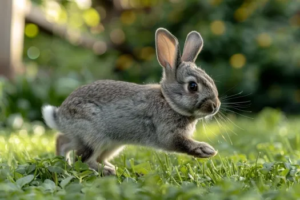
Raising meat rabbits well means timing breeding to the seasons (spring best, summer cooling, autumn nutrition during molt, winter warmth), mixing concentrate, roughage, and green feed or using complete pellets, and choosing fast-growing, disease-resistant breeds such as Belgian, New Zealand, or Chinese White rabbits.

How to Breed Rex Rabbits
Breeding rex rabbits well means setting the first-mating age at 5 to 6 months (about 3 kg), mating in spring or late autumn, using repeated mating 8 hours apart to lift conception, feeding extra protein and vitamins before breeding, and limiting the buck to no more than two matings a day.
How to Care for and Manage Nursling Rabbits
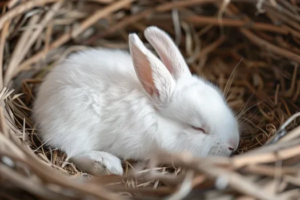
Nursling (unweaned) rabbits are the hardest to raise because their bodily systems are immature and even slight chilling can be fatal. Key management steps include ensuring prompt colostrum intake, keeping the nest warm and rat-free, feeding on a set schedule, starting supplemental feed at 18 days, and weaning scientifically.

Seasonal Care Tips for Raising Rabbits
Weather strongly affects a rabbit's behavior and health, and harsh conditions can be dangerous. Good husbandry means adapting care by season—controlling moisture and preventing coccidiosis in spring, avoiding breeding and beating the heat in summer, boosting nutrition and guarding against respiratory illness in autumn, and keeping warm in winter.

How to Feed Rabbits Fresh Greens Properly
Fresh greens benefit rabbits—they help prevent disease, control body condition, and counter heat and humidity—but must follow three rules: feed little and often, pair with concentrated feed for energy, and serve fresh rather than cooked.

Eight Key Things to Know When Raising Rabbits
Rabbits are fragile and sensitive to change, so good husbandry means watching for warning signs—unusual sounds or smells, sudden temperature shifts, abrupt feed or environment changes—plus careful care for weanlings, new stock, and during outbreaks.

How to Care for Unweaned Rabbit Kits
Unweaned kits are fragile—they need colostrum within 6 hours, a warm dry nest, balanced nursing, and gradual bedding changes, with supplementation from 18 days and weaning at about 35 days once they reach 1.2 lb. Careful nursing raises survival.

How to Prevent Angora Rabbit Breed Degeneration
Angora-rabbit breed decline comes from poor management and ignored improvement. Hold the line with quality bucks, no inbreeding, sensible mating ages (prime adults), healthy breeding stock, controlled sexual maturity, and a 2–4 year service limit with early culling.

Rabbit Feeding Rules
The kit-to-juvenile stage needs extra care. Vaccinate at 30–45 days, feed weaned juveniles pellets four times daily in small amounts, limit greens for light kits, give breeding stock peanuts, and never use chicken or pig feed—only rabbit-specific pellets with alfalfa-based hay powder.