Search Results
476 results for “doe rabbit”
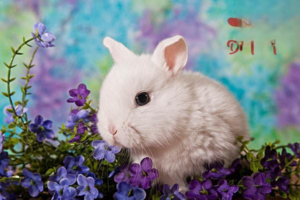
Feeding Principles for Rex Rabbits
Rex rabbits are herbivores fed mainly on greens and roughage with limited concentrates (greens 60–70%, roughage+concentrates 30–40%). Vary the diet, keep feed and water fresh, change feed gradually, prefer palatable pellets, and feed on a fixed schedule to aid digestion.

Reasons Why Rabbits Won’t Eat and How to Solve It
Rabbits not eating is very common. Why don't rabbits eat? Except for illness, the problem is more about the food fed, so for the problem of rabbits not eating, we have to find a solution from the food. Below we talk about the reasons why rabbits don't eat and the corresponding solutions.

How to Identify Pododermatitis (Sore Hocks) in Rabbits
Many owners raise rabbits in dog cages, but rabbits raised this way are prone to pododermatitis. Perhaps some owners know to put padding on the cage floor, but if the padding quality is poor or the method is wrong, it will still cause rabbits to get pododermatitis. Rabbit pododermatitis can be treated, but it is troublesome to treat. Below we detail the identification and treatment of rabbit pododermatitis, hoping to help you.

The Necessity of Feeding Hay to Rabbits
Eating hay is necessary for rabbits. Even if the rabbit food the owner usually feeds is good, hay must still be provided. Many people wonder why hay is so important to rabbits. Below we tell you about the necessity of rabbits eating hay. Why must pet rabbits eat hay?
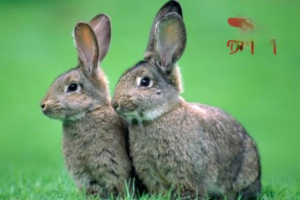
Characteristics of Pododermatitis Onset in Rex Rabbits
Rex rabbit pododermatitis is a relatively common disease in rabbits and causes significant harm. Although it does not cause immediate death, it can cause great economic losses to rabbit farms. After rex rabbits develop pododermatitis, their appetite decreases and their body gradually becomes emaciated. The disease affects the breeding value of breeding rabbits and the fur quality of commercial rabbits, causing serious economic losses. Today we introduce the onset characteristics of rabbit pododermatitis.

How to Prevent Rabbit Foot Dermatitis
Prevent rabbit sore hocks with low humidity and good ventilation, a flat cage floor, strict hutch cleaning, whole-group mite control every 2–3 months, and routine foot checks when handling.
Rabbit Foot Dermatitis: Symptoms & Treatment
Rabbit sore hocks start as hair loss, crusting, and redness, then deep pus cavities if untreated—even sepsis. Treatment is daily cleaning with peroxide, deep medication, an E-collar, and consistent care.
Rabbit Foot Dermatitis: Symptoms & Treatment
Rabbit sore hocks start as hair loss, crusting, and redness, then deep pus cavities if untreated—even sepsis. Treatment is daily cleaning with peroxide, deep medication, an E-collar, and consistent care.
Rabbit Foot Dermatitis: Symptoms & Treatment
Rabbit sore hocks start as hair loss, crusting, and redness, then deep pus cavities if untreated—even sepsis. Treatment is daily cleaning with peroxide, deep medication, an E-collar, and consistent care.
Rabbit Foot Dermatitis: Symptoms & Treatment
Rabbit sore hocks start as hair loss, crusting, and redness, then deep pus cavities if untreated—even sepsis. Treatment is daily cleaning with peroxide, deep medication, an E-collar, and consistent care.