Search Results
476 results for “doe rabbit”

Causes of Rabbit Pica
Rabbit pica — the compulsive eating of non-food items such as fur, bedding, or newborn kits — usually arises from a mix of behavioral, environmental, nutritional, and health factors. Cage confinement, stress, poor husbandry, low fiber or mineral gaps, and skin parasites are the most common triggers. The fix starts with finding the root cause: a calm, clean enclosure, plenty of hay, added minerals, and prompt parasite treatment.
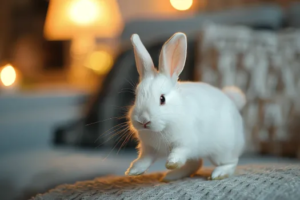
What to Do When a Rabbit Has a Poor Appetite
Rabbits normally eat well, so a drop in intake usually means something's wrong. Causes include a sudden feed change or low mood, and—more seriously—gut bloat, which shows as a swollen, painful, drum-tight belly. Mild cases respond to vegetable oil, garlic-vinegar, or radish juice; severe bloat needs a vet to draw off the gas.

Common Rabbit Vaccines and How to Use Them
Core rabbit vaccines—against viral hemorrhagic disease, myxomatosis, pasteurellosis, bordetellosis, clostridium, pseudotuberculosis, salmonellosis, and E. coli—are mostly inactivated and given as a 1 ml shot, with immunity in about a week and boosters every 6 months (myxomatosis annually). Store at 4–8°C, inject under the skin of the neck after disinfecting, and avoid vaccinating pregnant does unless essential.
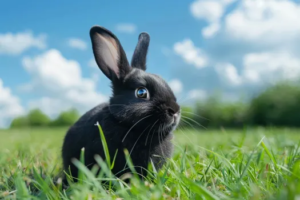
Symptoms of Stomatitis in Rabbits
Rabbit stomatitis shows as red, swollen gums, mouth blisters, and mucosal ulcers that make chewing painful, so the rabbit drools, stops eating, and can waste away or dehydrate. Soften the diet, keep the mouth clean, and—above all—prevent it by avoiding a monotonous diet that lacks B vitamins.

How Do Male and Female Rabbits Act When in Heat?
Intact rabbits show clear, different heat signs by sex. Does get a dark-red, swollen vulva, rub their chins on objects, and may show false pregnancy; bucks circle, mount, and bite to hold. Knowing these signs helps you manage breeding and the mess that comes with it.

Why Is My Rabbit Not Eating and Lethargic?
Not eating with low energy signals a gut problem—most often dehydration, constipation, or the dangerous intestinal obstruction (blockage). A blockage is life-threatening, so act fast: keep the gut moving with forced feeding, gentle exercise and belly massage, and steady water, and get to a vet if it doesn't improve.

Types of Rabbit Feed
Rabbit feed falls into three groups — concentrates (pellets), roughage (hay), and succulents (vegetables, roots). Pellets cover energy and protein; hay supplies the fiber rabbits need most; succulents add water and vitamins but cause diarrhea if overfed. Wash and drain greens, and treat them as occasional, not staples.

Must-Know Tips for Keeping a Pet Rabbit
Many people adopt a rabbit for its looks but know little about care. Learn what, when, and how to feed (yes, rabbits need water—just not too much, and never wet greens), keep up with check-ups, deworming, and vaccines, and spend time interacting daily so the rabbit stays social and doesn't get depressed.

What Makes a Healthy Rabbit Diet?
A rabbit's gut is delicate, so a complete commercial pellet should form the base of the diet, supplemented with hay, washed vegetables, and fruit given in moderation. Avoid irritants, spoiled food, and toxic items like chocolate or moldy feed, and provide chews to keep teeth from overgrowing.
How to Effectively Prevent Rabbit Viral Hemorrhagic Disease
Preventing rabbit viral hemorrhagic disease comes down to good vaccination: buy fresh approved vaccine, store it at 0–8°C, and follow a sound schedule (first shot 5–7 days post-weaning, then boosts). Use a monovalent vaccine, one needle per rabbit, and a slightly over-label dose for reliable immunity.