Search Results
476 results for “doe rabbit”

Why Rabbits Lose Fur
Rabbit fur loss usually points to poor nutrition, mange mites, ringworm, or bacterial skin disease — each with its own treatment, from mineral supplements to antiparasitics and antifungals. Clear away loose fur and check feed for trapped hair so the rabbit doesn't swallow it.

Routine Deworming to Prevent Rabbit Coccidiosis
Coccidiosis kills fast, especially in kits, so prevent it with regular fecal exams, a triazine anticoccidial in drinking water (0.1–0.2 ml/L, fresh, under 6 months), and strict hutch hygiene — disinfect monthly and clear droppings daily.

Why Are My Rabbit’s Ears Hot? What to Do
Hot ears are a clear sign a rabbit's body temperature is climbing, usually from heat exposure or the early stages of heatstroke. In warm weather watch for lethargy, rapid breathing, and reddened ears, and act fast: move the rabbit to a cool, ventilated spot and apply cold compresses. Severe cases may need veterinary care such as IV fluids or medication to bring the temperature and pressure down.
Can Rabbits Drink Mineral Water?
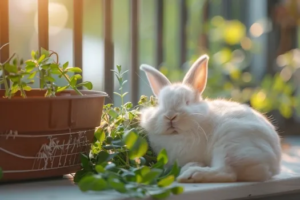
Rabbits should drink clean, plain boiled water—mineral water meant for people is not suitable for them. The high mineral content can lead to urinary and bladder stones, so stick to boiled or filtered water. With proper feeding, water itself will not cause bloat.
Preventing Problems During a Rabbit’s Breeding Cycle
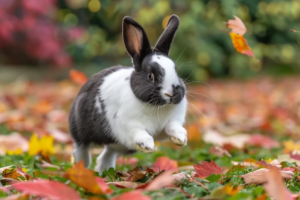
A rabbit's breeding cycle—mating, pregnancy, and lactation—needs stage-by-stage care. Screen breeding stock for illness, watch pregnant does for lethal infections like salmonellosis and bordetellosis, and manage the nest box and kits to avoid mastitis, yellow-urine disease, and chilling. Good hygiene and prompt treatment keep losses low.

When Does Your Dog Need to See a Vet?
Watch for limping 'rabbit hops', trouble urinating, skin disease, abnormal stools, or bad breath — these can signal hip, urinary, skin, digestive, or dental problems that need a vet.
Signs of a Buck Rabbit in Heat
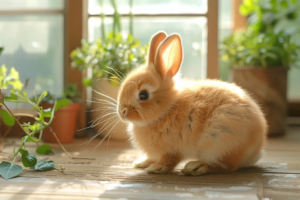
A buck in heat turns from calm to irritable and aggressive: poor appetite, restless stomping, urine spraying, and mounting — especially with a doe, and fights with other bucks in heat. Frequent heat without a mate can cause prostate disease. If you will not breed, neuter at a vet (never during heat); if you will, add a doe, though two rabbits mean more work.
What Does a Doe in Heat Look Like?
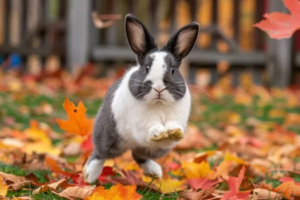
A doe's heat is mostly induced by stimulus. Breed, age, health, climate, and environment all shape it — summer heat cuts appetite and heat rate, winter cold and scarce greens do too. In heat she turns excited and active: stomps, paws the floor, eats less or refuses food, mounts other does, and seeks the buck; her vulva goes pale at rest, pink early, deep red at peak with swelling, then purple-red. The cycle is 8–15 days, each heat 3–5 days; place her with the buck at the start. Neuter if not breeding.

Key Points for Rabbit Care in October
October brings big day-night temperature swings and the molting period, raising disease risk, so the focus is protecting pregnant does through each pregnancy stage and preparing the kindling box, storing dried forage, and preventing contagious disease with vaccination, stable warmth, and weekly disinfection.

Feeding Management for Rabbits by Life Stage
Rabbit feeding changes by stage: kits need colostrum within 10 hours and a warm dry box at 28-31°C, pellets start at 16-22 days, twice-daily junior formula at 40 days, and grass alongside feed at 60-90 days. Keep housing clean and dry and prevent coccidiosis, overeating, and diarrhea.