Search Results
211 results for “cooling cat”
What happens in severe cat heatstroke?
Severe heatstroke causes foaming, dehydration, sunken eyes, low skin elasticity, breathing difficulty, high temperature, weakness, coma and convulsions, risking irreversible brain damage or death. Move to a cool ventilated place, rinse with water, and seek a vet if severe.
What Happens if a Cat Stays in Air Conditioning?
Cats can use AC moderately in heat, but long or too-cold exposure causes chills as their temperature regulation weakens and immunity drops. If not very hot, use cooling mats or fans instead.
How do I feed my cat salmon trimmings?
Clean and boil trimmings in cold water, remove bones, blend with veggies, egg, or meat for appeal, shape into balls, and steam about 20 minutes before serving at right temperature.
What are the symptoms of a dog having diarrhea from catching a chill?
A chilled dog with diarrhea shows soft stools, vomiting, low appetite, lethargy, sneezing, runny nose, and sleepiness. Keep it warm, give pet anti-inflammatory and anti-diarrhea medicine, and add cold medicine if needed. If it does not improve, rule out distemper or parvo.
Thinking About Getting an Exotic Shorthair (Garfield Cat)? Read This First
The Exotic Shorthair is a gentle, quiet breed, but it comes with real health trade-offs: tear-stained eyes from narrow tear ducts, brachycephalic breathing trouble, a sensitive 'glass' stomach, and genetic risks like polycystic kidney disease. Make sure you have the time, energy, and budget before bringing one home.
What are the symptoms of a fever in cats?
A feverish cat often shows chills, refusal to be touched, poor appetite, lethargy, shivering, a hot body, and faster breathing. Measure with a pet thermometer; above 39°C means fever. Use physical cooling and see a vet if it persists.
How can I tell if my cat has a fever without a thermometer?
Without a thermometer, feel your cat's ear flaps and groin; when feverish these areas feel hot rather than just warm. Cooling measures help, but persistent or repeated fever needs a vet.
Is Your Cat More Sensitive to Cold or Heat? What Every Owner Should Know
A cat's normal body temperature is 37.5–39.2°C, and its limited sweat glands make it far better at handling cold than heat. Heat stress can set in above 38°C (panting, lethargy, drooling, even collapse), while most cats feel cold below 10°C — kittens, seniors, and short-haired breeds need extra warmth. Keep the home between 16–21°C and warm the bed in winter.
Can You Give a Cat Ice Water to Cool It Down in Summer?
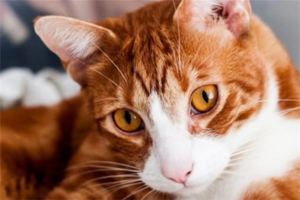
Cats handle heat better than cold; icy water can cramp their gut (pain, diarrhea, vomiting) and many cats dislike cold water and may refuse it, raising heatstroke risk. Offer room-temperature fresh water, ventilate, and use a fan or AC without blowing directly on the cat.
What should I do about my cat’s red, swollen gums?
Red swollen gums usually come from heat, stomatitis or gingivitis. For heat, give more water and cooling foods like unsweetened mung bean soup and cut protein. For stomatitis or gingivitis, use oral anti-inflammatory and antibacterial spray; severe tartar needs a dental cleaning.