Search Results
211 results for “cooling cat”
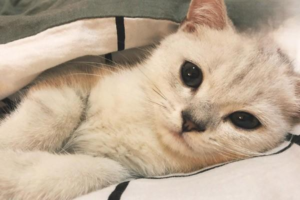
How to Prevent Heatstroke in Cats
Cats can overheat when confined in hot, poorly ventilated spaces; their thermoneutral zone is about 30–36°C, and indoor heat can exceed that. Signs include panting, 'greasy' sweaty paws, drooling, red mucous membranes, and collapse. Prevention is cooling and hydration; severe cases with seizures or coma need urgent veterinary care.

Cat Cold: Symptoms, Care, and Prevention
A cat's normal temperature runs 38.0–39.6°C; a dry nose and warm ears hint at fever, and any sick cat needs easy food plus water (a pinch of salt per 100 ml, syringed if it won't drink). Keep the environment clean, warm in winter, and well-ventilated in summer, and take the cat to a vet promptly if symptoms worsen or it stops eating, drinking, or breathing easily.

Is It Normal for a Cat to Sleep on Its Back?
Sleeping on its back is perfectly normal and is one of a cat's many poses; it usually means the cat feels completely safe and trusts its surroundings, since the belly is its most vulnerable spot, and it can also be a way to cool off through the sweat glands on the paws and face. Other common postures — curled up, on the side, or front paws tucked — each signal a different level of relaxation or wariness, so watching how a cat sleeps tells you how secure it feels.

Why Your Cat Has Intermittent Fever
Intermittent fever in cats usually signals an underlying disease, and most recurring-fever cases turn out to be feline infectious peritonitis, or FIP. Diagnosis relies on blood and urine tests, and FIP needs continuous, consistent treatment supported by good nutrition.

How to Choose a Cat Bed
A good cat bed beats the summer heat without chilling the gut — rattan half-moon and crown beds are breathable and easy to wash, while cooling mats and hammocks let a cat beat the warmth safely (cats that sprawl on tile floors risk stomach upset). Add a clingy-cat 'cat table' for bonded time, and pick bite-resistant rattan toys with bells to keep a home-alone cat busy.
How to Tell If Your Cat Has a Fever
A cat's normal temperature runs 38.0–39.0°C for adults and 38.5–39.5°C for kittens; a hot, dry ear or, more reliably, a rectal reading above 39.5°C signals fever. Short-term cooling (shade, paw-pad wiping, cool towels) helps, but the underlying cause, from infection to pyometra, needs a vet.
Why Your Cat Has a Lot of Eye Discharge and How to Handle It
Excess eye discharge usually means dietary heat, eye inflammation, or a herpesvirus infection. Clean the eye and use the right drops, and boost water intake with fountains, extra bowls, and broth.

What to Do If Your Cat Catches a Cold from a Fan
Cats can catch a cold from prolonged direct exposure to a fan, especially those that are weak or have low immunity. The best approach is prevention—keep the fan oscillating so air is never blown straight at the cat—and if a cold does develop, keep the cat warm, offer nutritious warm food, and ensure good hydration.

Will a Feverish Cat Get Better on Its Own?
A cat rarely shakes off a fever by itself, because fever means inflammation is already underway — a low-grade temp may sometimes settle, but a high one usually needs hands-on cooling and, often, medication. Start with cooling (alcohol or cool water on paw pads, ear tips, and belly) and fluids; only move to drugs or shots once a vet has made a diagnosis.

How Long Does Cat Gastroenteritis Take to Heal on Its Own?
Chronic gastroenteritis — from long-term poor eating habits — can improve over 1–2 months of careful feeding, but acute gastroenteritis is dangerous and tends only to worsen, with a high death rate. At the first sign of vomiting or diarrhea, get the cat to a vet rather than dosing it at home.