Search Results
211 results for “cooling cat”
Why does my cat stick out its tongue?
Cats stick out their tongues for cooling, nervousness, intense exercise, or mouth disease (gingivitis, stomatitis, ulcers). A simple tongue-out is usually fine, but with drooling or breathing trouble, see a vet.
My cat leaves a small damp, odorless patch on the sofa and my lap – is it a urinary problem?
A small odorless damp mark may be sweat from the paw pads, a cat's main cooling tool and sweat-gland site; heat or stress triggers paw sweating. Also check whether the urethral opening is moist, since dribbling or leaking can occur with urinary disease or stress.

Summer Cat Care: Key Points
Summer care for cats: keep drinking water fresh (change often, consider a fountain), cool the room to 26–28°C without direct cold drafts, never shave the coat (trim paw fur only), feed small frequent meals of fresh food, avoid over-bathing, stay on top of deworming and ringworm prevention, and keep the home ventilated and clean.
My Cat Has Neck Twitches, Dry Heaving When Touched, Won’t Eat, and Has a 40.9°C Fever, What’s Wrong?
Fever, dry heaving, and anorexia in cats have many causes, commonly FIP or feline panleukopenia, and some immune diseases. First cool the cat with alcohol wipes; if fever persists with dry heaving, seek veterinary fever reducing treatment and treat the underlying disease.
How long should a cat be isolated after recovering from feline rhinotracheitis?
Rhinotracheitis can relapse, so isolate a recovered cat from others and avoid shared feeding to prevent spread. Boost lysine and nutrition, and keep it warm against weather changes.
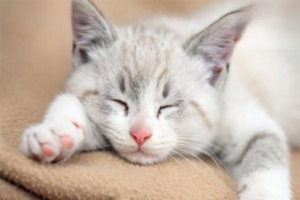
How to Prevent Heatstroke in Cats in Summer
Cats have no sweat glands and cool only through paws and muzzle, so they overheat fast — heatstroke brings panting, rapid breathing, and can be fatal. In an emergency move the cat to shade, cool it with damp towels and alcohol on paw pads and armpits, and see a vet if needed. Prevent it with a cool airy home, plenty of water, AC around 25°C, trimmed paw fur, and never shave the coat, which protects against water loss, injury, and sunburn.
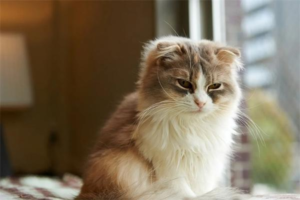
How to Fix a Cat’s Low Appetite
A cat eats less during heat, when bored of the same food, when picky, in hot weather, or with mild indigestion. Bring appetite back with scheduled measured meals, short fasting, a gradual switch to tastier food (warmed to release aroma), a little probiotic, and cooling the room in summer.
What happens when a cat has a fever?
A feverish cat will show a raised body temperature, loss of appetite, lethargy, a dry and hot nose and drowsiness. A cat's normal temperature is 38-39.5C.
What happens to a cat’s long coat in summer?
In summer, a long-haired cat may overheat, mat, and groom more hair, which can cause hairballs, so it benefits from cooling, brushing, and sometimes a trim. Cats shed some undercoat but may still feel heat.
What happens if a cat’s temperature is too high?
High temperature causes lethargy, poor appetite, dry nose, drowsiness and red ears, even cowering and open-mouth breathing. Normal is 38 to 39.2; 39.2 to 39.5 is low fever treatable at home, over 39.5 is high fever needing a vet. Fever is usually from infection needing diagnosis.