Search Results
1558 results for “cage size”

Winter Dog-Care Tips
Winter care matters. (1) Keep exercise: don't lock the dog indoors for fear of cold—it loses freedom and can get depressed or weak and sick. On a sunny afternoon, leash it to the park for a walk and sunlight that kills coat bacteria. (2) Dress smart: cold-prone small breeds (Chihuahua, Teddy) can wear comfy clothes, but Huskies and Goldens generally should not. (3) Diet: skip 'winter tonics' and rich food—a cold gut handles them poorly and they just add burden. Keep the normal feeding plan.

Are Hamsters Sensitive to Heat? Signs and Cooling Tips
Hamsters do mind the heat, and in a hot summer they can overheat and suffer heatstroke, showing signs like lying still, dull eyes, and rapid breathing. Owners need to plan cooling before the temperature spikes. The good news is that simple housing tweaks—shade, the right bedding, a water basin, and stable temperatures—go a long way. This guide covers how a heat-stressed hamster behaves and the practical steps to keep it safe through the summer.
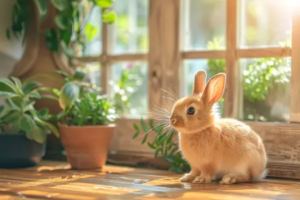
Is It Normal for a Rabbit Not to Poop for a Day?
Rabbits digest food quickly and usually pass droppings soon after eating, so a full day without poop can be a warning sign. It may simply mean your rabbit ate little, or it could indicate constipation from poor feeding, lack of exercise, weak digestion, hairballs, or a dirty water supply. Owners should keep food and water fresh, monitor intake, and help with fluids, probiotics, and exercise when needed. Understanding the cause is key—this article breaks down why rabbits stop pooping and how to respond.
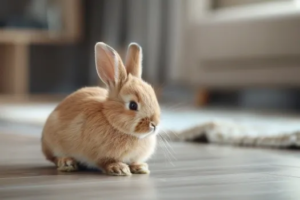
Do Rabbits Need to Hibernate?
Rabbits do not hibernate. As warm-blooded animals, they regulate their own body temperature and stay active through winter. That said, they still feel the cold despite their thick fur, so owners must provide warmth and shelter when temperatures drop. Moving the hutch indoors, sealing drafts, lining the cage, and adding soft bedding all help prevent chilling. Adjusting the diet with extra food and higher-calorie items supports their increased winter energy needs. This article explains why rabbits skip hibernation and how to keep them safe in cold weather.

Why Does My Hamster Twitch While Sleeping?
A sleeping hamster is usually still, so little twitches and jerks can worry a new owner. Most of the time the cause is harmless: muscles still settling after play, a vivid dream, nervousness in a new home, or simply feeling cold. Only when twitching pairs with other signs of illness should you worry. The fix is usually comfort and warmth rather than medicine. This guide explains the common reasons a hamster shakes in its sleep and what you can do to help it relax.
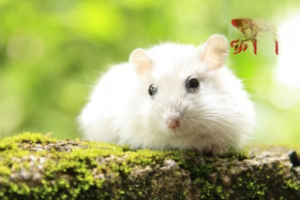
Why Is My Golden Hamster Squeaking Constantly?
Golden hamsters are normally quiet creatures that sleep by day and run on their wheel by night, so constant squeaking is a signal worth reading. It can be completely harmless—a dream, a startle, or a sulk—or it can mean real distress from illness, injury, or a perceived predator nearby. Because the tone differs between a content chirp and a pained wail, owners should learn to tell them apart. This guide covers the five common reasons a hamster cries out and when a vet visit is the right call.

Characteristics of a Puppy’s Weaning Period
The weaning period is a major transition for puppies. As the mother's milk declines, the pups' fast growth pushes their nutritional needs up, and their digestion begins adapting to soft foods like thin meat porridge. This stage is also stressful and disease-prone — maternal antibodies hit a low around 40 days, so a careful plan matters: start supplemental feeding at 25–28 days, keep the original cage while moving the mother away, follow a fixed feeding schedule to avoid hypoglycemia, and stick to the deworming and vaccination timeline (e.g., Nobivac 2-way at 35 days, 4-way at 50 and 70 days).

How to Care for a Netherland Dwarf Rabbit
Netherland Dwarf rabbits are active and need both proper housing and a sensible diet to stay healthy. Provide a cage of roughly 80×60×70 cm with soft bedding, safe toys, and chew sticks, and keep the environment at a stable temperature with low humidity, gentle light, and minimal noise. Feed mainly fresh hay (timothy, mixed, or alfalfa) for dental and digestive health, supplement with quality pellets, a little fruit and vegetables, and constant clean water—but control portions, since these rabbits gain weight easily. Build trust slowly through hand-feeding and gentle handling, and check coat, skin, eyes, ears, and teeth regularly.
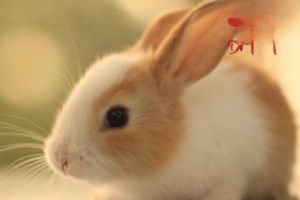
What to Do When Your Rabbit’s Ears Are Red, Itchy, and Scratching
Red, itchy, constantly scratched ears usually mean ear mites or an ear infection in rabbits. Because the problem is contagious, isolate the sick rabbit and disinfect its belongings first. Soften and remove crusts with ear cleaner or saline, treat the inner ear with a rabbit-safe cleanser, and fit an Elizabethan collar so it can't keep scratching. Boost recovery with vitamins and keep the habitat dry and well-ventilated; see a vet if there's no improvement.

What to Do If Your Pet Rabbit Is Constipated
Constipation is common in pet rabbits and, when severe, leads to refusal to eat and listlessness, so it needs prompt attention. Causes include unbalanced feed with too little water, foreign material in the diet, lack of exercise, or secondary disease such as anal inflammation or gut atony. Signs are dropping appetite, weak gut sounds, small hard droppings, then no stool at all, sometimes with bloating. Treatment clears the gut with short fasting, water, abdominal massage, and, if needed, a sodium bicarbonate enema; prevention centers on greens, water, exercise, and a fixed feeding schedule.