Search Results
1558 results for “cage size”
How to Shear an Angora (Long-Haired) Rabbit
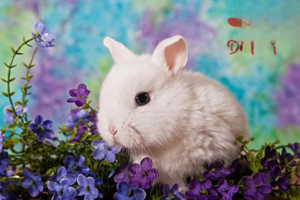
Angora rabbits are raised mainly for their wool, and learning to shear them correctly protects both fiber quality and the animal's health. A mature rabbit is typically sheared about four times a year, once per season, with the best grades harvested in March, June, September, and November. Shear close to the skin in a set order, back midline, sides, rump, neck, jowl, belly, legs, never a second pass over the same spot, and time the job for a breezy, clear day with warm bedding afterward.

Why Is My Hamster Losing Fur?
Hamsters have less fur than cats or dogs, but they still shed, and hair loss often points to an underlying health issue. Seasonal molting is normal and the coat regrows quickly. Older hamsters naturally thin out and won't recover even with coat supplements. A poor diet, too few vitamins or unbalanced fats, triggers hormonal imbalance and shedding, so feed quality pellets and limit treats. Cramped cages cause stress and friction hair loss, and skin disease or parasites also contribute; treat parasites with a dewormer made for small pets.

How to Layer Hamster Bedding
Hamster bedding should be spread evenly and changed on a schedule that fits the material. Wood shavings are the most common and budget-friendly choice, but they absorb poorly and trap odor, so in summer they need frequent changes. Wood pellets are low-dust and long-lasting, good for summer, while corncob bedding must be sun-sterilized first. You can also mix tofu or bentonite litter into the blend, and always layer urine sand beneath a topping of shavings rather than mixing the two. Tidy, ordered bedding makes soiled spots easy to spot and clean.

How Feline Chlamydial Pneumonia Develops
Feline chlamydial pneumonia is a highly contagious but uncommon cat disease, well covered by routine vaccination, so regularly vaccinated cats rarely catch it. It spreads through eye, nose and mouth secretions on shared bowls, cages or hands, and by sneezing. It starts as conjunctivitis and, left untreated, can advance to fever, pneumonia and infections of the airways or reproductive tract. Antibiotic eye ointment and oral antibiotics clear it, but recovered cats still carry and shed the organism, so isolation matters.

Why Do Rabbits Eat Their Own Droppings?
It is normal and harmless for a rabbit to eat its droppings. Rabbits pass hard pellets by day and soft, nutrient-rich cecotropes at night, and eating the soft ones recycles undigested fibre and nutrients, much of it from hay they could not fully break down the first time. The extra fibre also helps prevent diarrhea. Owners need not worry, though sudden diarrhea still calls for better diet, warmth and calm to avoid stress.

How to Prevent False Pregnancy in Female Rabbits
A false pregnancy happens when a doe mates but is not fertilized; she shows all the signs of pregnancy yet has no litter, lowering yearly offspring and cutting farm profit. It is harmless to her health and usually resolves in days. To reduce it, keep breeding records and a family tree, use repeat and double mating to raise conception rates, manage stock well, and confirm pregnancy by palpation around ten days after mating so non-pregnant does can be re-bred promptly.
What to Know Before Getting a Guinea Pig
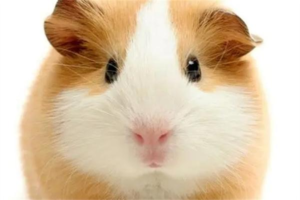
Guinea pigs are sweet and fairly easy, yet new owners often hit problems that, with poor management, can turn fatal. Before bringing one home, be sure you can commit to its whole life, then learn its habits and needs. Keep them in groups of the same sex, feed pellets with fresh vegetables and hay, choose safe aspen or maple bedding, clean the cage weekly, place it away from bedrooms because of loud squeals, rule out allergies, and schedule regular vet checks.
What Factors Affect a Rabbit’s Wool Production?
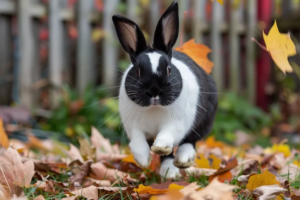
A rabbit's wool output depends on breed, sex, body weight, age, nutrition, and the season and temperature around it. Long-haired German-line rabbits usually produce the most fine wool, while females and neutered males tend to out-yield intact males, and rabbits between one and three years old are at their peak. Steady, balanced feeding with enough protein supports follicle growth, and cooler weather raises output. To boost production, choose strong breeding stock, use crossbred vigour, feed well, manage the environment, and harvest the wool on a sensible schedule.

How to Boost a Rabbit’s Appetite in Summer
When a rabbit eats less in summer, keep its bottle full of clean water for hydration, offer fresh hay in small frequent servings to avoid spoilage, and raise the share of water- and fiber-rich fruits and vegetables to tempt eating. Heat makes rabbits sluggish, but daily out-of-cage play supports health and appetite. Also keep the space cool and ventilated, vary the diet, control sugary or starchy food, avoid the hottest sun, and see a vet if poor eating persists.

Can a Guinea Pig Cold Heal on Its Own?
A guinea pig cold rarely clears by itself. Unlike a human cold, it comes from different pathogens and the animal's immune defense is weak, so treatment is usually needed to ease signs and aid recovery. Symptoms are sneezing, clear nasal discharge, more eye discharge, lost appetite, and low spirits. See a vet early for diagnosis and the right antibiotics or supportive care; keep the cage warm and clean, offer vitamin-C-rich easy food, and ensure fresh water. Never medicate on your own, as wrong drugs can harm the pig.