Search Results
1558 results for “cage size”

What to Do With Your Dog During the Holidays: Three Boarding Options
When you can't take your dog home for the holidays, you have three main options: home-style boarding, in-home feeding visits, or a professional facility. Sensitive or easily stressed dogs usually do best with someone coming to your home, while outgoing dogs may tolerate a kennel. Whatever you choose, your dog's safety and basic needs come first—prefer people you know and inspect any facility in advance.
Can Hamsters Get Diabetes?
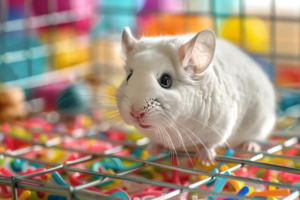
Hamsters can and do get diabetes, and it is not rare. Like in people, the direct cause is too little insulin, and obese hamsters and dwarf breeds are most at risk. Signs are overeating, heavy drinking, more urine with a strong smell, weight swings, tiredness, mood swings, and in severe cases unsteady walking or coma. Diabetes cannot be cured, so strict sugar control with high-protein, high-fiber, low-fat, low-sugar food is vital; dwarf hamsters should avoid all sweets. Keep them active to prevent obesity.

Why Do Guinea Pigs Eat Their Own Droppings?
Guinea pigs eating their droppings is normal, since the stools still hold nutrients they reabsorb, and the process also supplies probiotics. Still, it is best to discourage it. Control portions so food is fully digested and fewer nutritious stools are passed, and clean the cage right after they defecate to remove the chance. Feed a balanced mix of pellets, hay, greens, and fruit, and note guinea pigs cannot make their own vitamin C, so include vitamin-C sources daily.

Clear Signs of Aging in Guinea Pigs
Aging in guinea pigs is easy to spot: loose skin, dull and thinning coat, heavy shedding, and slow walking. They live about 5 to 8 years and enter old age after 5, when body function and immunity fade and illness becomes more likely. Hearing, sight, and digestion weaken, so clear cage obstacles and adjust the diet. Seniors lose calcium and easily cramp or fracture, and their bite weakens, needing softer food and regular tooth trims plus extra vitamins.
Signs of a depressed golden hamster
Low mood, reduced appetite, blank stare, slow reactions, hiding in corners - chronic cases can even starve. Engage with toys and food; don't grab forcibly.
How to find where a mother cat hid her kittens
Feed the mother and follow her - she carries food back to the kittens. If you must move them, lure mom into a cage first to avoid bites.
Can you keep a turtle dove at home?
Not really - they need space to fly and wild ones are protected; keeping them is illegal. If kept, cage securely and feed grain like pigeons.
What latent viruses do fancy rats carry?
Generally none - they're clean captive pets; rabies risk is tiny. Only strays or wild-exposed rats may carry viruses.

Are Mini Lop Rabbits Easy to Care For?
Mini lop rabbits are fairly easy to keep thanks to their small size and gentle nature, but new owners should know a few basics. They enjoy vegetables, carrots, pellets, and hay, yet a single food long term is unhealthy, so vary the diet. Their short coat needs less brushing than long-haired breeds, but ears and paw soles must be cleaned regularly to prevent infection. They are active and playful, needing space and daily exercise, and they crave human interaction and companionship for comfort and fun.

Symptoms of a Cold in Guinea Pigs
A cold in guinea pigs often brings sneezing, clear nasal discharge, labored breathing, red or weepy eyes, a sore throat with coughing, lowered activity, and sometimes poor appetite when breathing or fever is affected. Give a warm, dry home with plenty of food and water and extra vitamin C. Keep the cage clean by washing bowls and changing bedding to limit bacteria. For severe or lingering cases, see a vet rather than self-medicating, since the right treatment depends on the exact condition.