Search Results
1558 results for “cage size”

How to Feed a One-and-a-Half-Month-Old Chinchilla
A chinchilla at six weeks is weaned and ready to come home, but it is still fragile and needs careful feeding. Base the diet on hay and chinchilla pellets, with alfalfa hay as the young staple and the occasional timothy hay to ease the gut, and avoid treats before eight months. Feed small amounts several times a day, always provide fresh water via a bottle, keep the cage dry and clean, and give a multi-level cage with a wheel and regular free time.

How to Tell a Budgerigar’s Age
You can estimate a budgerigar's age from a few clues, though none are exact. Younger birds have paler feather color, clear black pupils, soft skin around the beak, and are lively and active, while older birds show deeper color, cloudier pale pupils, dry beak skin, and a calmer, stiller manner. Adjust care by life stage: chicks need warm, frequent feeding, fledglings need flight exercise and varied food, and adults need balanced diet and regular veterinary checks.
Why Is My Hamster Limp and Weak?
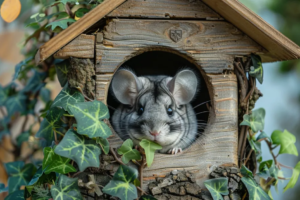
A hamster that feels limp and weak can have many causes, and the symptom alone is hard to pin down. Common reasons include a poor environment, low blood sugar, malnutrition, digestive trouble, or infection such as respiratory disease, liver problems, or diabetes. Offer rich nutrition and a warm, clean, well-ventilated home with room to move, and if weakness continues or comes with vomiting, diarrhea, discharge, or temperature change, take the hamster to a veterinarian.

Early Signs of Cheek Pouch Inflammation in Hamsters
Cheek pouch inflammation in hamsters is usually caused by bacterial infection, poor nutrition, overeating, or a sharp object scratching the pouch, and it can cause appetite loss, bad breath, and lethargy. Left untreated it may become life-threatening. Early signs include reduced appetite, food stuck in the pouch, trouble drinking, and low spirits. Prompt care, gentle massage, diet adjustment, hygiene, and veterinary-guided antibiotics are the main treatments.

How to Earn Your Hamster’s Trust?
Building a close bond with your hamster starts with earning its trust. New hamsters are easily frightened by unfamiliar surroundings and can become stressed, so give them time to settle in before handling. Win trust by placing the cage in a quiet, low-traffic room, letting the hamster adjust for a few days, approaching slowly and speaking softly, hand-feeding treats to build positive associations, and gradually increasing gentle contact. Never startle or force a hamster to interact—respect its pace and personality. With patience and consistency, your hamster will learn to see you as safe and form a lasting, affectionate bond.
What to Do When a Hamster Is Restless and Wants Out
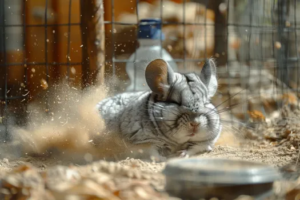
Hamsters are active, curious animals that like to explore, so constant restlessness often means their environment is not stimulating enough. Give the hamster plenty of space with obstacles, ladders, and toys to climb and play, ensure steady food and water so it is never hungry or thirsty, and keep a quiet, cozy sleeping area for daytime rest. Regular gentle interaction builds trust and helps the animal feel safe.

Signs a Hamster Is Stressed or Scared
Hamsters are sensitive, fragile animals that may feel stress from changes in environment, food, or noise. When frightened they may go tense, tremble, raise their tail, and bristle their fur; they try to hide or curl up, may shake or circle, and can bite the cage, scream, or bite people. Move the cage to a safe, calm place away from noise and light, add hides and toys, and never force contact while the hamster is frightened.
What Bedding Is Best for Hamsters in Summer?
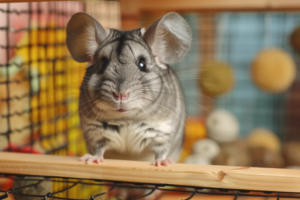
Summer is hard on small pets, so choose airy, cool bedding: dust-free wood shavings, grass mats, cat litter, corn cob, or paper pellets. Grass mats are often best—eco-friendly, absorbent, breathable, and even edible for extra food and fun. Different beddings have different pros and cons, so pick what fits your setup, but always replace and clean regularly to stay dry and hygienic. Check the source is safe and contaminant-free, and keep the depth moderate so the cage isn't overcrowded. Good bedding matters because summer raises the risk of wet-tail and respiratory disease.

Why Does Your Hamster Have Soft Stools?
Hamster soft stools can stem from diet, infection, water, or stress. A fragile digestive system reacts badly to too much fruit or vegetable, moldy food, or unbalanced feed; bacteria or viruses can inflame the gut; poor or scarce water upsets it; and heat, environmental change, or fright lowers immunity. If you see soft stools, cut back on produce, check the water source, switch to a balanced diet with more protein and fat, keep the cage clean, and consider probiotics or medication for serious cases. If stools come with poor appetite or low energy, see a veterinarian promptly.

How to Choose a Good Dog Boarding Home
Home boarding - paying someone to care for your dog - can beat a cage at a shop, but pick well. Seven points: choose a professional, hygienic boarding home and visit in person to see solid fixtures and calm, well-managed dogs (avoid shops mixing small, large and aggressive dogs). Pack your own food, probiotics for sensitive guts, and the dog's bowls, bed, blanket and pads. Tell the host everything - habits, diet, temperament, special needs. Sign a boarding agreement and read it, since infection risk is highest there. Check vaccines are current and boost a week before if expired. Keep the first stay under five days, as dogs are social and may think they were abandoned, turning gloomy and harming health. A good environment with dog company and a set routine supports well-being.