Search Results
61 results for “behavior traits”

Natal Hinge-back Tortoise
The Natal Hinge-back Tortoise (Kinixys natalensis) is one of six hinge-back tortoises, a small, strikingly patterned herbivore found only in South Africa's Natal province. Scarce and specialized, it needs a dry semi-desert setup and a high-fiber, low-protein diet.
South American Snake-necked Turtle
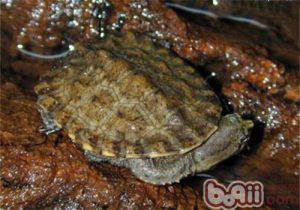
The South American Snake-necked Turtle (Hydromedusa tectifera), also called the Argentine snake-necked turtle, is a popular but challenging species with a long smooth neck and rock-like shell. It is prone to shell rot and demands cool, slightly acidic water and careful husbandry.
Phrynops williamsi
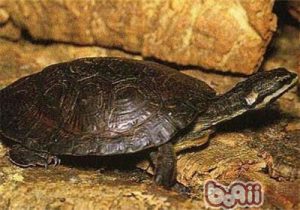
Phrynops williamsi, also called the Masked Toadhead Turtle, is a side-necked turtle from South America that loves basking and is semi-aquatic in the wild. Lively and relatively easy to keep, it remains uncommon in captivity and is found mainly as wild-caught individuals.
Desert Monitor
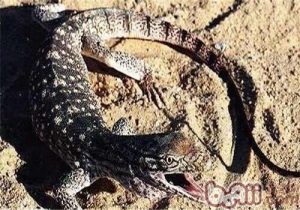
The Desert Monitor (Varanus griseus) is a large, fierce monitor of the Sahara and Asian deserts, reaching up to 140 cm and famed for its endurance and venom-resistant diet of snakes and scorpions. Difficult and dangerous to keep, it is not recommended for beginners.

Brazilian Gray Smoke Tarantula
The Brazilian Gray Smoke Tarantula (Grammostola alticeps) is a terrestrial tarantula from Brazil and Uruguay named for the gray fuzz covering its body. A slow-growing species reaching about 14 cm, it is defensive enough that keepers should avoid oversized prey that may trigger hair-kicking.

Texas Tortoise
The Texas tortoise (Gopherus berlandieri) is the smallest of the gopher tortoises, native to southern Texas and northeastern Mexico. Adapted to arid deserts, it feeds mainly on high-fiber plants and is considered a challenging species to keep, so it remains uncommon in captivity.

Mud Turtle
The Mud Turtle is not a single species but a group of turtles sharing common traits in body structure or distribution, classified under one family. The family Kinosternidae includes the mud turtles and musk turtles.

Western Hermann’s Tortoise
The Western Hermann's Tortoise (Testudo hermanni) is a common, beginner-friendly tortoise with undemanding environmental needs and good disease resistance, though it carries a relatively high price. Native to Spain and southern France, it is a Mediterranean-species herbivore that also occasionally takes animal prey.

Hilaire’s Toadhead Turtle
Hilaire's Toadhead Turtle (Phrynops hilarii) is a side-necked turtle in the toadhead genus, strongly affected by ambient temperature and closely tied to it in behavior. Delicate and hard to keep in captivity, it is not recommended as a first turtle.

Gulf Coast Box Turtle
The Gulf Coast Box Turtle (Terrapene carolina major) is the largest subspecies of the Common Box Turtle, found along the U.S. Gulf Coast bordering Mexico. A typical omnivore reaching up to 18 cm in carapace length, it grows quickly and is relatively easy to keep.