Search Results
27 results for “behavior traits”
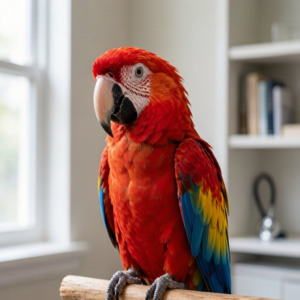
Scarlet Macaw: Traits and Natural Behavior
The scarlet macaw is among the most vividly colored parrots, with a body dominated by brilliant red and accented by yellow, white, and deep blue across the wings and tail. A large, strong black beak easily cracks hard nuts and fruit. These birds live in subtropical and tropical forests, roost high in big trees, and are highly social, gathering in flocks that can top thirty individuals. Understanding their size, diet, lifespan, and breeding needs is essential before taking one home.
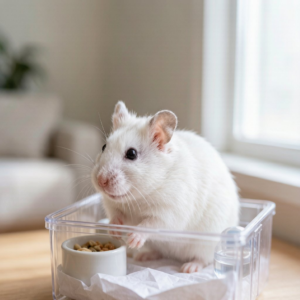
White Bear Hamster: Traits and Care
The White Bear hamster is a type of Teddy Bear hamster with snow-white fur and black or red eyes. Many in the "line" group have a short temper, so they are not ideal for first-time owners. Patience and gentle hand-feeding help them bond. They are nocturnal, timid, and prefer hiding, and do best around 27 C. Because they gain weight easily, a balanced diet keeps obesity and its related diseases at bay.
Why You Might Consider Genetic Testing for Your Dog
People use genetic testing to screen for inherited disease and confirm family ties; dogs can benefit too. A breed dog's DNA test can flag the risk of more than 130 inherited conditions, confirm whether a pricey puppy is truly purebred, serve as proof of identity if it is lost or stolen, and even predict behavior traits. It is a practical tool for smarter, more personal care.
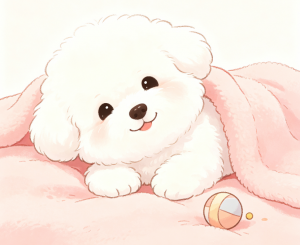
Bichon Frise: Health and Care Considerations Before You Adopt
The Bichon Frise is a gentle, low-shedding companion dog, but prospective owners should know its common care needs: pronounced tear staining from shallow tear ducts, a coat that mats and pulls the skin, separation anxiety, a sensitive stomach, and dental issues. Meeting these needs keeps the dog healthy.
What Types of Dog Collars Are Available?
Choosing the right collar matters for every dog owner, both for safe daily walks and your dog's comfort. The market offers a wide variety of options—leather, nylon, metal chain, buckle, harness-style, studded, and even GPS-tracking collars—each designed with distinct advantages. Leather collars are durable and attractive but not water-resistant; nylon is light, washable, and adjustable; chain collars suit strong pullers yet require gentle handling; buckle collars grow with puppies; harness collars are cute and reduce strain; studded collars deter escapes; and GPS collars help recover a lost pet. Matching the collar to your dog's size, breed, and behavior—along with your own preferences—ensures both safety and comfort.
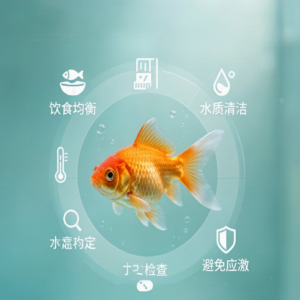
Key Points for Keeping Goldfish Healthy
To keep goldfish healthy, follow core rules on tank choice, water quality, diet, and health observation. Pick a tank sized to the fish's number and size for enough swimming room, place it stably and quietly away from direct sun, keep the water clean with regular changes and a filter, and feed a balanced diet without overfeeding. Watch your fish's behavior and appearance to catch problems early.
Why Your Cat Starts to Look Like You (It’s More Than Mimicry)
Many owners hear that their cat is the spitting image of them, and science backs it up. A British photographer pairing 3,000 cats with their owners found they do grow more alike over time, though a cat's breed determines its looks, not its owner's face. The real similarity comes from behavioral sync, calm owners raise calm cats and anxious ones raise jumpy cats, cats mimic our body language and match our daily rhythms. Psychology's "similarity attraction" means we subconsciously pick cats that resemble us, and brain studies show shared oxytocin and cortisol levels between long-term companions. In short, your cat doesn't become you, it tunes to your frequency.
How to Tell a Lovebird’s Sex
Sexing lovebirds is tricky, especially when young, because the birds look alike, but several clues help. Males tend to have a pointed, smaller head, slimmer tight-feathered body, brighter color, bolder behavior, loud call, upright perch stance, and a V-shaped tail, while females are rounder, duller, calmer, softer-voiced, and W-tailed. The clearest sign is the vent: a male has a raised point between the pelvic bones, a female a flat gap. DNA testing is the surest method.

Papillon Temperament and Care
The Papillon is a small, elegant European breed named for its butterfly-like ears. Weighing just 3 to 5 pounds, it has a soft, flowing coat in white, black, brown, or patterned colors. Despite its size, the Papillon is lively, affectionate, and highly intelligent. These dogs bond closely with their families, greet strangers kindly, and adapt to apartments or houses alike. They are quick to learn and enjoy training, games, and companionship. Because they are active and curious, they need daily exercise, mental stimulation, and regular grooming. A balanced diet, routine veterinary checks, and social interaction keep a Papillon healthy and happy. With the right care, this bright little companion becomes a devoted, joyful member of the household.

The Secret Behind Why Cats Knead
Kneading is a habit cats form as nursing kittens, pressing the mother's belly to draw milk while feeling warm and safe. Many keep it into adulthood as a way to communicate comfort and affection. There's even an evolutionary angle: scent glands in the paws release pheromones during kneading that signal bonding and can calm aggression. When your cat kneads you, stay quiet, don't grab the tail, and let it express its love. This article uncovers the reasons and the gentle way to respond.