Search Results
78 results for “Rabbit fright”
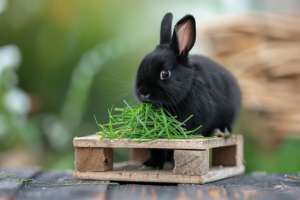
What If a Baby Rabbit Hates Being Held?
A rabbit that dislikes being picked up is acting on instinct: as prey animals they feel unsafe when lifted off the ground. Build trust slowly with sit-beside sessions, food rewards and gentle touches to the head, back and ears, watching for discomfort and stopping if the rabbit tenses. Keep its space quiet and secure, and if it truly refuses, never force it, since fright causes harmful stress.

Why Do Rabbits Eat Their Own Droppings?
It is normal and harmless for a rabbit to eat its droppings. Rabbits pass hard pellets by day and soft, nutrient-rich cecotropes at night, and eating the soft ones recycles undigested fibre and nutrients, much of it from hay they could not fully break down the first time. The extra fibre also helps prevent diarrhea. Owners need not worry, though sudden diarrhea still calls for better diet, warmth and calm to avoid stress.
Why Would a Rabbit Suddenly Bite?
Rabbits are gentle and rarely aggressive. A sudden bite usually means fear or feeling threatened; if cornered or unwell, it may bite in self-defense.
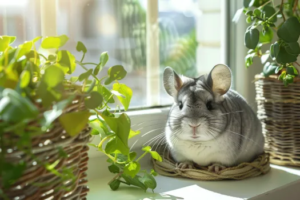
Are Chinchillas Easy to Keep? Key Care Tips
Chinchillas are gentle, clean, and low-odor herbivores that are fairly easy to care for, but they need a cool environment (15–23°C), a hay-based diet, and patient handling. This guide covers the essentials for new owners and the foods and habits to avoid.
What animals are chinchillas afraid of?
Chinchillas are timid; fear dogs, cats, rabbits, birds. If keeping multiple pets, don't house together to avoid fright/injury. Also fear strangers, noisy environments, sudden sounds/light. Give a comfortable, quiet home, avoid fear triggers so they relax.

Dwarf Hotot
The Dwarf Hotot, also called the Dwarf Panda Rabbit, is a small, lively pet rabbit with an all-white coat and distinctive black eye markings. Easy to keep like other pet rabbits, it needs a secure cage, daily grooming, and unlimited hay.

Himalayan
The Himalayan is a native Chinese breed whose body color changes with temperature—white all over when warm, and a standard deep black (the limbs and head turning black) when cold.

Why a Doe Eats Her Kits and How to Prevent It
A doe may eat her kits from thirst after birth, low milk, poor prenatal nutrition, fright, a cannibalistic habit, strange smells, or illness. Prevent it with strong prenatal feeding and warm salted water after kindling, a quiet space, no scent changes or bare-hand handling, and fostering only after masking the kits with the foster doe's milk and urine.
- « Previous
- 1
- …
- 6
- 7
- 8