Search Results
78 results for “Rabbit fright”
What happens when a rabbit is frightened?
A frightened rabbit flees, rams the cage, becomes nervous, lethargic, loses appetite; severe fright can cause incontinence, paralysis, even death. Keep the cage in a quiet, stable-light spot. After fright, give food/water and let it be alone for days.

Why Is Your Rabbit Dragging Its Hind Legs?
A rabbit dragging a hind leg won't recover on its own — get it to a vet for imaging to rule out a fracture, then look at calcium deficiency, nerve damage, or soft-tissue injury. Fractures often come from falls, improper handling, or cage-floor pressure, and frightened rabbits can hurt themselves bolting; keep the enclosure calm and safe. Prompt, cause-specific treatment is the only way to avoid permanent paralysis.
Why Is Your Rabbit Bolting Around the Cage?
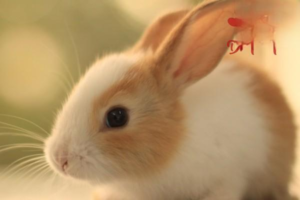
A rabbit bolting around its cage is usually a demand (hungry, bored), a heat signal, illness, or fright — and a frightened rabbit races its heart and can even die from the stress. Move it somewhere quiet, soothe it with a soft voice or a treat, keep strangers and other animals away, and if it does not settle, have a vet check for sickness.
What to Do When a Rabbit Is Lethargic and Won’t Eat
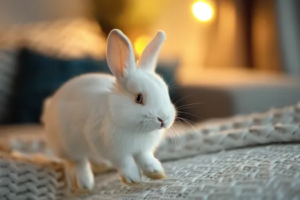
A rabbit that stops eating and loses its spark is often overfed, frightened, bacterial, or battling internal parasites such as coccidiosis. Male rabbits may simply be blocked by a full bladder, while coccidiosis needs prompt antiparasitic treatment — and any unclear case belongs at the vet.
How to Correct a Pet Rabbit’s Bad Habits
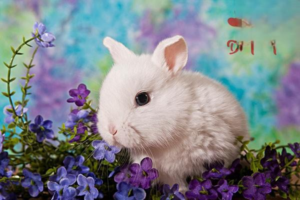
Rabbits are like children — curious and occasionally destructive — so correct misbehaviour the moment it happens, without hitting. A sharp clap or stomp to startle, a two-minute cage time-out, or a brief lift off the ground all teach the lesson; reward good behaviour and stay patient, since it takes repetition.

What Are a Pet Rabbit’s Habits?
Pet rabbits are clean and dryness-loving, timid and noise-shy (a fright can stall a doe's labour), cold-hardy but heat-sensitive (adults like 15–25°C, kits 30–32°C), nocturnal feeders (up to 75% of food at night), keen burrowers, and same-sex squabblers — so give them a dry, quiet, cool, burrow-friendly home and nightly meals.

Rabbit Diarrhea Caused by Poor Daily Management
Many cases of rabbit diarrhea trace back to everyday husbandry mistakes rather than infection: too much concentrated feed, sudden diet changes, toxic or moldy feed, temperature swings, antibiotic overuse, and overfeeding weak kits. Matching the symptom pattern to the cause helps you fix it fast.

Causes of Rabbit Pica
Rabbit pica — the compulsive eating of non-food items such as fur, bedding, or newborn kits — usually arises from a mix of behavioral, environmental, nutritional, and health factors. Cage confinement, stress, poor husbandry, low fiber or mineral gaps, and skin parasites are the most common triggers. The fix starts with finding the root cause: a calm, clean enclosure, plenty of hay, added minerals, and prompt parasite treatment.

Common Rabbit Vaccines and How to Use Them
Core rabbit vaccines—against viral hemorrhagic disease, myxomatosis, pasteurellosis, bordetellosis, clostridium, pseudotuberculosis, salmonellosis, and E. coli—are mostly inactivated and given as a 1 ml shot, with immunity in about a week and boosters every 6 months (myxomatosis annually). Store at 4–8°C, inject under the skin of the neck after disinfecting, and avoid vaccinating pregnant does unless essential.

What Are the Symptoms of Stress in Rabbits?
Rabbits startle easily and stress at almost nothing; signs range from poor appetite and hiding to collapse, frothing at the mouth, and grinding teeth. Common triggers are loud noise, a new home, pain from gut or dental disease, and the scent of predators such as cats and dogs. Severe stress is life-threatening and needs a vet at once.