Dwarf Hotot
2 Photo Gallery
1 Dwarf Hotot Breed Overview
The Dwarf Hotot, also called the Dwarf Panda Rabbit, is one of the pet rabbit breeds. Purebred Dwarf Hotots are relatively rare in the domestic market and are relatively expensive. The keeping method for the Dwarf Hotot is simple, similar to other pet rabbit breeds.
Chinese Name: Dwarf Hotot
English Name: Dwarf Hotot
Common Aliases: Dwarf Houtai, Dwarf Panda Rabbit
Alias: Jersey Wolly Rabbit
Kingdom: Animalia
Phylum: Chordata
Class: Mammalia
Order: Lagomorpha
Family: Leporidae
Genus: Oryctolagus (Rabbit)
Species: Jersey Wooly
Origin: Germany
Habits: Lively, alert, and very curious personality; easy to get along with people; a quite lovely breed.
Size: Weight: less than 1.36 kg.
Reproduction: Viviparous.
Diet: Herbivorous.
Certifying Association: American Rabbit Breeders Association (ARBA).
2 Dwarf Hotot Physical Characteristics
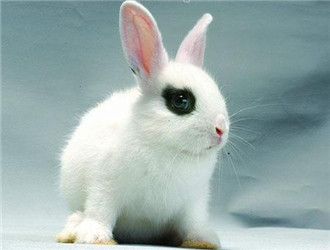
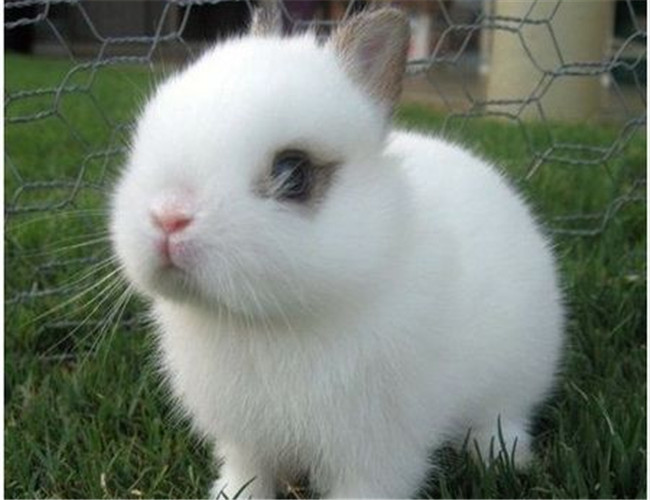
The Dwarf Hotot is relatively small and is a small pet rabbit breed, quite popular among pet rabbit breeds. The Dwarf Hotot has upright ears, an all-white body, and only the fur around the eyes is black, making it very cute and adorable.
The Dwarf Hotot can be divided into two types: one has a pure white body with a black eye line at the eyes; the other also has a black eye line, but the snow-white body also has some spots. The Dwarf Hotot is petite, with the body from shoulder to hip forming an arc, a large head with short ears (ideal length about 6 cm), dark brown eyes, an all-white body—also pure white with only the fur around the eyes being black—and ears not longer than 7 cm.
Weight less than 1.36 kg. Because of its small size, a small space is enough. If you want to let it roam indoors, special attention must be paid to wires and furniture, which may be damaged.
3 Dwarf Hotot Care Tips
The Dwarf Hotot is relatively small and has a clingy personality. When keeping it, pay attention not to scare it, and give it a reasonable keeping method, such as a moderately sized cage, reasonable food choice, and timely grooming.
The Dwarf Hotot’s personality matches its appearance; the petite ones are very timid and sensitive. It is said the Dwarf Hotot is very smart, can understand the owner’s words, and will observe the owner’s actions to react, with very rich and vivid expressions—a very charming and considerate rabbit breed. To keep a Dwarf Hotot, first buy a suitable cage that allows the rabbit to stand up; provide ample food, feeding pellets three times a day, such as weeds and rabbit pellets, and one pineapple pellet per day. The owner should comb the rabbit’s fur once a day to help with molting and prevent hairballs. Trim nails once a month to avoid overgrown nails, and some long-haired varieties need a trim every two to three months to avoid overly thick fur that is hard to dissipate heat. Because rabbits clean their own fur, there is no need to bathe them unless necessary.
Because the Dwarf Hotot is delicate, special attention should be paid to furniture gaps not being too large, lest they hide when frightened and go missing; they are also more easily crushed and injured than rabbits of normal size, so pay special attention.
The Dwarf Hotot has good fertility, producing about three kits per litter, but needs appropriate rearing space, otherwise it is more likely to have the mother rabbit eat the babies due to nervousness.
4 Dwarf Hotot Living Environment
The Dwarf Hotot spends most of its time in the rabbit cage, so a suitable rabbit cage is very necessary for the Dwarf Hotot. So, how to choose a rabbit cage for the Dwarf Hotot?
First is size and height. Many people think the Dwarf Hotot is not big, but a relatively spacious space is absolutely beneficial to their physical and mental health. It is generally believed that 40 cm × 60 cm (inner size) is the minimum, regardless of the breed. The Dwarf Hotot likes to stand up, so there must be a certain height, minimum 45–50 cm (inner size).
Second is the foot pad. What is a dog cage bottom like? Dogs and cats stand on iron bars when caged, but rabbits absolutely cannot—no matter the gap size of your bottom grid, whether long strips or squares—in a word, a rabbit’s feet cannot step on metal mesh, which will cause severe foot-pad disease. Professional rabbit cages have a plastic mesh foot pad for the Dwarf Hotot’s feet. Of course, the plastic mesh foot pad can be bought separately.
Another factor is convenience for the owner to clean. Professional rabbit cages have a surrounding edge, because Dwarf Hotots urinate by backing up against the cage edge; with a dog cage you will easily find the tray underneath does not catch the urine, all on your floor, and the round droppings will be kicked out of the cage.
5 Dwarf Hotot Feeding Guidelines
Dwarf Hotot (see details)
The Dwarf Hotot has a relatively single diet, and many foods cannot be given to it. The best foods are hay, rabbit pellets, and some fresh vegetables and fruits. Also, the Dwarf Hotot will eat its own feces, so the owner should not be surprised.
Rabbits are herbivorous and like foods such as: carrots, sweet potatoes, cabbage, pumpkin, spinach, cucumber, radish leaves, oranges, bananas, grapes, apples, plantain, dandelion, chickweed, tofu residue, bread, etc. Some foods cannot be eaten in large amounts: corn, peanuts, potatoes, etc. Foods that cannot be eaten: chocolate, coffee, alcohol, onions, chives, scallions, garlic, etc.
Pay special attention that the water content of food should not be too high, otherwise it will cause the rabbit to have diarrhea or even die! Before feeding, wash the food, wipe the surface water dry, then give it to the rabbit. Cooked or frozen food cannot be eaten. On the market there is also a kind of granular artificial feed for rabbits, with the advantages of balanced nutrition and hardness good for teeth. If you don’t mind the cost, this is also a good food; you can use artificial feed as the staple, and provide a little vegetable or wild grass.
The rabbit’s digestive system is quite long, accounting for 10–20% of body weight. Structurally, the rabbit has only one stomach, but in a special position that prevents the rabbit from vomiting, so when there is a gastrointestinal problem, it mostly shows as anorexia. The rabbit is herbivorous and needs a place to ferment and break down food; the rabbit’s cecum becomes the most important place. If you observe rabbit droppings, there are two kinds, hard and soft; the hard ones are ordinary droppings, useless waste; but the soft ones are a very important delicacy for the rabbit! If the amount of fiber in the food is insufficient or the proportion decreases, the rabbit’s intestinal peristalsis slows, and even the bad bacteria in the cecum overgrow, then the rabbit starts to get sick and finally dies, so when preparing feed for the rabbit, hay is very important—it is best to let the rabbit eat hay unlimitedly to avoid digestive problems.