Search Results
78 results for “Rabbit fright”
What happens if a rabbit is hit?
A rabbit that has been hit is likely to become frightened and may turn depressed, sensitive, and irritable, showing loss of appetite, trembling, hiding, refusing to drink, and ignoring people. Some timid rabbits may suffer a stress reaction with kicking, limb convulsions, foaming at the mouth, and lethargy. Because many parts of a rabbit are fragile, improper force can cause lasting injury.
How long is a lop rabbit pregnant before birth?
The lop rabbit's pregnancy is about one month, varying with environment and constitution. She needs more nutrition and a quiet, comfortable place to avoid miscarriage. Litters are 6-12, delivered in about 10-20 minutes.
What do rabbit sounds mean?
An angry rabbit usually makes a low cooing sound; do not approach or you may be bitten. A frightened or hurting rabbit gives a mouse-like scream; check for injury. A threatened rabbit may snort; comfort it and move it to a quiet place if it refuses contact. A happy rabbit makes soft teeth-grinding; loud grinding signals dental problems.
What are the signs before a rabbit gives birth?
Signs: restlessness, swollen nipples, big belly, poor appetite, withdrawal; some pull fur and leak milk. At delivery, vaginal discharge with pain. Move to a quiet spot and don't disturb: fright risks dystocia.
How long is a rabbit’s pregnancy before birth?
A rabbit's pregnancy is usually about 30-32 days, with individual variation. Keep the nest quiet, raise protein to 16-18 percent, and provide a clean nest box 1-2 days before birth.
Why is my rabbit trembling?
A trembling rabbit may simply be cold or frightened. Rabbits are timid and may be scared by unfamiliar surroundings or sudden loud noises; placing them somewhere quiet and comfortable lets them calm down. In very cold weather, they may shiver from the cold, so provide warmth and shelter to prevent illness.
Why is my rabbit shivering?
Shivering is usually from cold or fright. Rabbits are timid and may startle at unfamiliar places or loud noises - place them somewhere quiet to settle. In cold weather, warm them to prevent chills.
Why don’t rabbits make sounds?
Rabbits can vocalize, but they are usually quiet and rarely do, so many people think they cannot. They make cooing sounds when anxious or angry - rhythmic coos when in heat, less regular when annoyed. When very angry or frightened they may hiss or scream, so keep a safe distance to avoid being bitten.

How to Help Your Rabbit Live Longer
A longer rabbit life comes from a dry, calm, 15–25°C environment, a balanced diet of hay, pellets, and limited fresh produce, regular parasite control, daily exercise, and gentle handling. Avoid frequent baths, tap water, and too much watery food, which can cause stress or diarrhea.
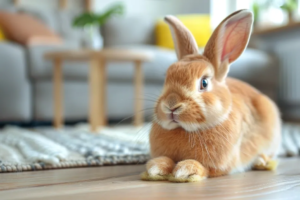
What to Feed a Rabbit With Low Blood Sugar
When a rabbit has low blood sugar, offer foods containing glucose or a nutritional solution; if none is at hand, brown-sugar or white-sugar water works as a substitute. Because a weak rabbit may not eat on its own, the owner must feed it. Keep it warm and gently massage its limbs. Once it recovers, provide pellets and hay to rebuild strength. If symptoms do not improve, take the rabbit to a veterinary clinic where glucose can be injected to raise blood sugar. Regular monitoring and diet adjustment help prevent recurrence.